
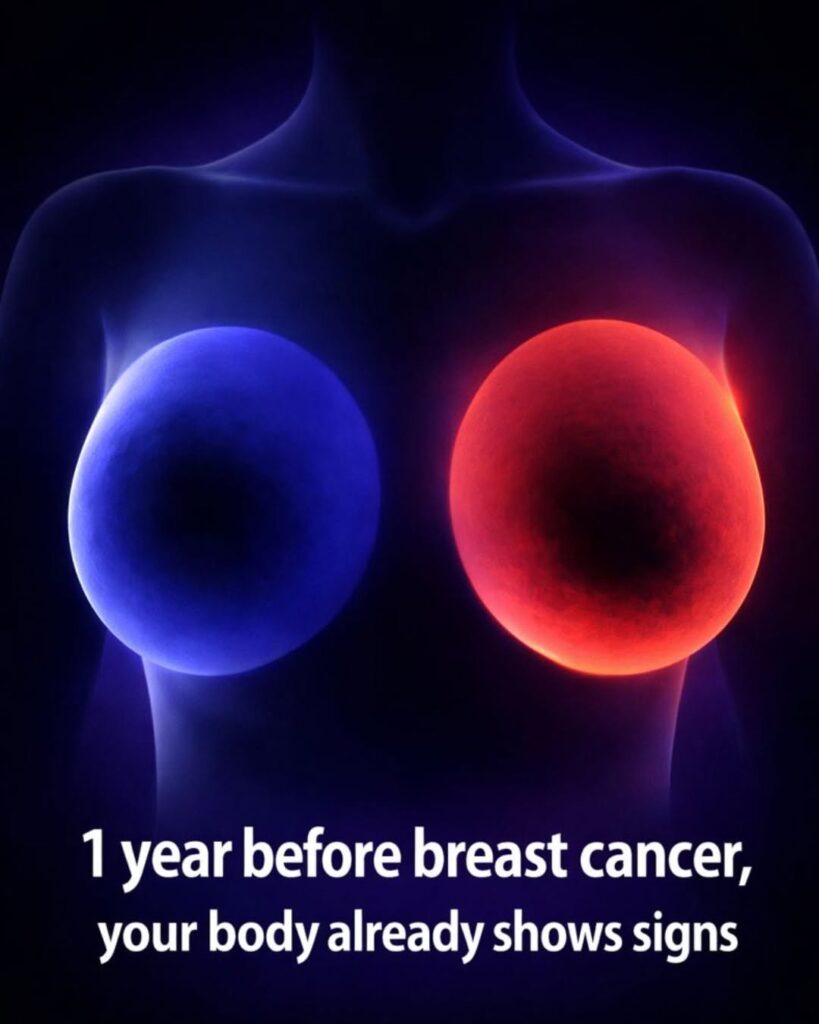
Breast cancer is one of the most common health concerns for women worldwide, and its ability to develop quietly in the early stages makes it particularly challenging. Many women experience subtle changes in their bodies that they might dismiss as normal or harmless, only to later discover they were important signals. The good news is that paying close attention to these changes and seeking medical advice early can make a significant difference in outcomes. In this article, we’ll walk through the symptoms that research and medical experts most often associate with breast cancer—knowledge that could help you stay one step ahead.
But before we dive into the details, keep reading until the end, where we’ll share practical steps you can take today to feel more in control of your breast health.
Why Recognizing Symptoms Early Matters
Early detection of breast cancer dramatically improves the chances of successful management. According to organizations like the American Cancer Society, when breast cancer is found at an early stage, the 5-year relative survival rate is nearly 99%. Yet many cases are discovered later simply because subtle signs were overlooked.
The truth is, breast cancer doesn’t always announce itself with dramatic symptoms. Often, it starts with small, easy-to-ignore changes. That’s why knowing what to look for—and acting on it promptly—is so powerful.
1. A New Lump or Thickening in the Breast or Underarm
The most commonly recognized sign is a lump or area of thickening in the breast or underarm region. These lumps are often hard and have irregular edges, though they can sometimes feel soft or rounded.
Not every lump turns out to be cancer—many are benign cysts or fibroadenomas—but medical guidelines strongly recommend having any new lump checked by a healthcare professional. Studies show that about 80% of breast lumps are not cancerous, but evaluation provides peace of mind and ensures nothing is missed.
Here’s the key: if the lump doesn’t go away after your menstrual cycle or feels different from the rest of your breast tissue, schedule an appointment.
2. Changes in Breast Size, Shape, or Contour
Your breasts naturally change over time due to hormones, weight fluctuations, or aging. However, unexplained asymmetry or visible changes in contour—like one breast appearing higher, larger, or differently shaped—can be worth noting.
Some women notice dimpling, puckering, or a flattening in part of the breast. This happens when internal changes affect how the skin and tissue lie. It’s subtle at first, but becoming familiar with your normal shape helps you spot differences sooner.
3. Skin Changes on the Breast
Skin alterations are sometimes among the earliest visible signs. The skin might become red, inflamed, or develop a textured appearance similar to orange peel (known medically as peau d’orange).
These changes occur when cancer cells affect lymphatic drainage or cause inflammation. Inflammatory breast cancer, a rarer but aggressive type, often presents with rapid skin changes without a distinct lump. If redness or thickening persists for more than a few weeks, it’s important to get it evaluated.
4. Nipple Changes or Discharge
Changes to the nipple or areola can provide important clues. Watch for:
- Sudden inversion (the nipple turning inward when it was previously everted)
- Scaling, crusting, or redness around the nipple
- Unusual discharge, especially if it’s bloody, clear, or occurs without squeezing
Discharge is particularly concerning when it happens spontaneously from one breast only. While infections or hormonal shifts can cause discharge too, medical guidelines advise prompt evaluation of any new or unexplained fluid.
5. Persistent Pain or Discomfort in the Breast
Contrary to common belief, breast cancer isn’t always painless. Some women experience ongoing ache, burning, or tenderness in one specific area.
This discomfort might feel different from typical menstrual-related soreness—it often stays localized and doesn’t improve with your cycle. If pain lingers for several weeks without an obvious cause (like injury), it’s reasonable to discuss it with your doctor.
6. Swelling or Lumps in the Underarm or Collarbone Area
Breast cancer can involve nearby lymph nodes, leading to swelling or firm lumps in the underarm or sometimes near the collarbone.
These nodes may feel hard and fixed in place, unlike the movable, tender nodes often seen with infections. Persistent swelling that doesn’t resolve after a couple of weeks deserves medical attention.
7. General Symptoms Like Unexplained Fatigue or Weight Loss
In more advanced cases, the body’s response to cancer can cause systemic symptoms such as extreme fatigue that doesn’t improve with rest, or unintended weight loss.
These signs are less specific—they can stem from many causes—but when combined with breast-specific changes, they become more significant. Research indicates that listening to your body’s overall signals plays an important role in early awareness.
Practical Steps You Can Take Right Now for Better Breast Health
Taking proactive steps doesn’t have to be complicated. Here are evidence-based habits that experts recommend:
- Perform monthly breast self-exams, ideally a few days after your period ends when breasts are less tender
- Stand in front of a mirror to check for visual changes, then lie down and use the pads of your fingers to feel for lumps in a systematic pattern
- Maintain a healthy weight through balanced eating and regular physical activity—studies link obesity with higher risk after menopause
- Limit alcohol intake, as even moderate consumption is associated with increased risk
- Schedule clinical breast exams and mammograms according to your age and risk factors (typically starting at age 40, or earlier if you have family history)
Small, consistent actions add up to meaningful protection.
Breaking the Silence: Why Talking About Breast Cancer Helps
Fear and stigma still prevent many women from discussing breast changes openly. Yet sharing experiences and knowledge empowers everyone involved.
Today, thanks to advances in screening and management options, more women than ever are living long, healthy lives after a breast cancer diagnosis. Early awareness remains the most powerful tool we have.
Frequently Asked Questions
At what age should I start doing breast self-exams?
Experts recommend beginning monthly self-exams in your 20s to become familiar with your normal breast tissue.
Do men need to worry about breast cancer symptoms too?
Yes—though much rarer, men can develop breast cancer and should watch for similar signs, especially lumps.
How often should I get a mammogram?
Most guidelines suggest starting annual or biennial mammograms at age 40, but talk to your doctor about what’s best for your personal risk profile.
Disclaimer: This article is for informational purposes only and is not a substitute for professional medical advice, diagnosis, or treatment. Always consult a qualified healthcare provider with any concerns about your breast health or symptoms. Early evaluation by a medical professional is the best way to address any changes you notice.