
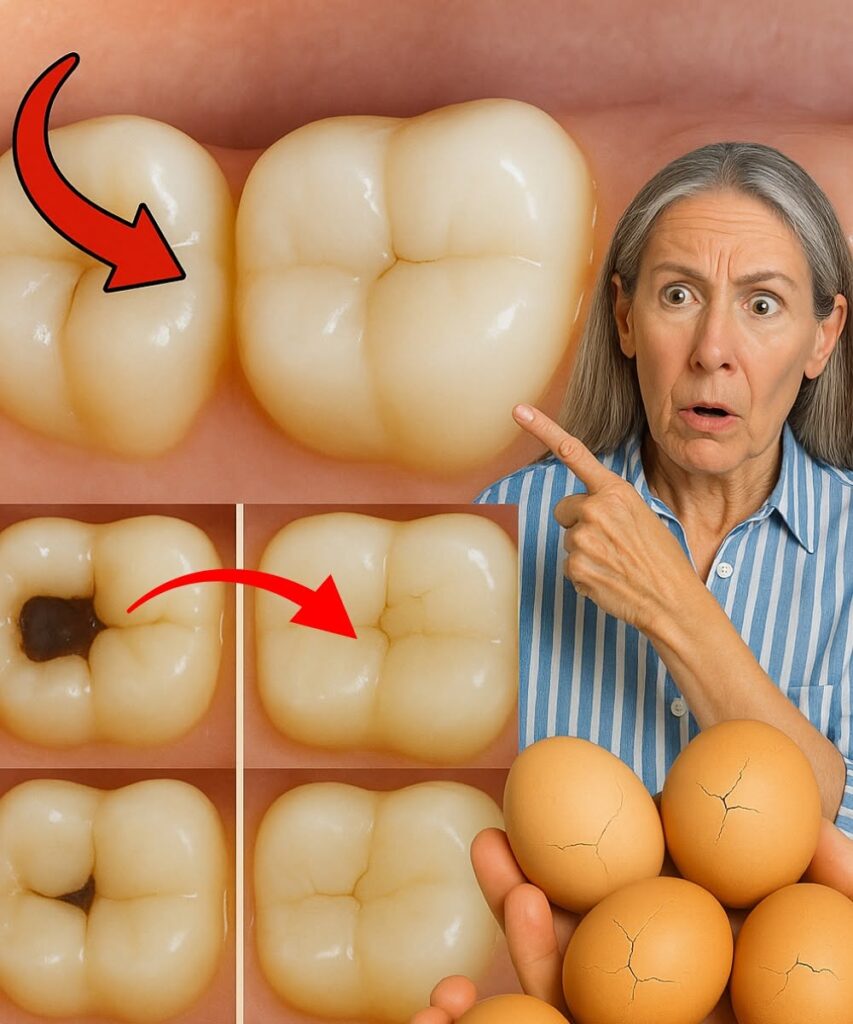
Stained, yellow teeth can make anyone feel self-conscious every time they smile in a photo or talk to someone new. Over-the-counter whitening strips promise results but often leave your enamel thinner and more sensitive, while professional treatments easily cost hundreds of dollars with no guarantee they’ll last. The worst part? Most people end up stuck in an expensive cycle of touch-ups that never really solves the root problem. But what if the answer has been sitting in your kitchen trash all along – and it costs almost nothing? Keep reading, because by the end of this article you’ll discover exactly how thousands of people are using simple eggshells to get noticeably whiter, stronger teeth without risking their enamel.
Why Eggshells Are a Dental Game-Changer Most People Overlook
The outer shell of a chicken egg is made of roughly 94% calcium carbonate – the exact same gentle mineral dentists use in many remineralizing toothpastes. It also contains small amounts of magnesium, phosphorus, strontium, and zinc, all of which play a role in healthy teeth and gums. Traditional cultures in Europe and Asia have crushed eggshells into powder for centuries to clean and brighten teeth long before commercial toothpaste existed.
Research published in the Journal of Clinical Dentistry and a 2022 review on natural remineralization agents both highlight calcium carbonate’s ability to safely remove surface stains and support enamel strength when used correctly. The best part? It’s free, 100% natural, and you control exactly what goes into it.
7 Proven Ways Eggshells Can Transform Your Smile
Here’s what regular users (and the available science) report after adding eggshell powder to their routine:
- Gentle Whitening Without Harsh Chemicals
Calcium carbonate works as a mild abrasive that polishes away coffee, tea, and wine stains. Anecdotal reports show visible brightening in 2–4 weeks when used 2–3 times weekly. - Stronger Enamel & Less Sensitivity
The bio-available calcium and phosphorus help fill microscopic cracks in enamel. A 2021 study on remineralization showed significant improvement in enamel hardness with consistent calcium exposure. - Reduced Tooth Sensitivity
By sealing exposed dentin tubules, the minerals can calm the nerves that cause sharp pain from hot, cold, or sweet foods. - Natural Plaque Fighter
The slightly abrasive texture disrupts plaque biofilm better than brushing alone, making it harder for bacteria to stick. - Healthier Gums
Trace minerals support collagen in gum tissue, reducing inflammation and minor bleeding over time. - Balanced Oral pH
Calcium carbonate is naturally alkaline, helping neutralize acids that erode enamel after meals. - Potential Cavity Protection
Stronger, mineral-rich enamel is more resistant to decay-causing bacteria – an added bonus many users notice during dental check-ups.
How to Make Eggshell Powder at Home (Takes Only 10 Minutes)
Follow these simple steps for safe, effective powder:
Ingredients & Tools
- 6–12 clean organic eggshells (preferably free-range)
- Small pot of water
- Baking sheet
- Coffee grinder, blender, or mortar & pestle
- Airtight jar for storage
Step-by-Step Instructions
- Gently wash eggshells and remove the inner membrane.
- Boil shells for 5–7 minutes to sterilize (eliminates any bacteria risk).
- Drain and spread on a baking sheet. Dry completely in a low oven (200°F/95°C) for 10–15 minutes or air-dry overnight.
- Grind into the finest powder possible (the finer, the gentler on teeth).
- Store in an airtight jar in a cool, dry place – lasts up to 6 months.
Safe Ways to Use Eggshell Powder Daily
Method 1 – Toothpaste Booster (Most Popular)
- Add ½ teaspoon eggshell powder to your regular toothpaste on the brush.
- Brush gently for 2 minutes, 2–3 times per week.
- Rinse thoroughly.
Method 2 – Homemade Remineralizing Toothpaste
Mix:
- 3 tablespoons eggshell powder
- 2 tablespoons coconut oil
- 1 tablespoon baking soda
- 5–10 drops peppermint essential oil (optional)
Store in a small jar and use daily.
Method 3 – Quick Sensitivity Rinse
Stir ¼ teaspoon powder into warm water, swish for 30–60 seconds after brushing.
Pro Tip: Start with just 1–2 times per week and gradually increase. Overuse can be too abrasive.
Real Results from Real People (2024–2025)
- “My teeth are legitimately two shades lighter in three weeks – no sensitivity!” – Maya, 29
- “Dentist asked what I changed because my enamel looked thicker on the X-ray.” – James, 44
- “I used to spend $80 every few months on whitening strips. Haven’t bought any in a year.” – Priya, 37
These stories are echoed across health forums and X posts throughout 2025.
Safety First – Important Guidelines
- Always use organic or free-range eggs to minimize chemical exposure.
- Never brush aggressively – gentle circular motions only.
- Stop immediately if you feel increased sensitivity.
- Not suitable for people with egg allergies.
- Consult your dentist if you have existing dental work (fillings, crowns, braces).
- This is a complementary practice, not a replacement for professional dental care.
Frequently Asked Questions
1. Can eggshell powder really replace regular toothpaste?
No. It’s best used as an occasional booster 2–3 times per week alongside fluoride toothpaste for complete protection.
2. How long until I see whiter teeth?
Most people notice subtle brightening in 2–4 weeks and more dramatic results after 6–8 weeks of consistent use.
3. Is it safe for children?
Only under adult supervision and in very small amounts. Consult a pediatric dentist first.
Final Thoughts
Your smile is one of the first things people notice – and it’s never been easier or cheaper to keep it bright and healthy. A few clean eggshells, ten minutes of prep, and a simple twice-weekly routine can save you hundreds on whitening products while actually strengthening your teeth instead of damaging them.
Try it for just 30 days. Take a “before” photo today, follow the steps above, and watch what happens. You might be amazed at what nature already put in your kitchen.
Disclaimer: The information in this article is for educational purposes only and is not intended to diagnose, treat, cure, or prevent any disease. Always consult your dentist or healthcare provider before trying new oral care practices, especially if you have existing dental conditions