
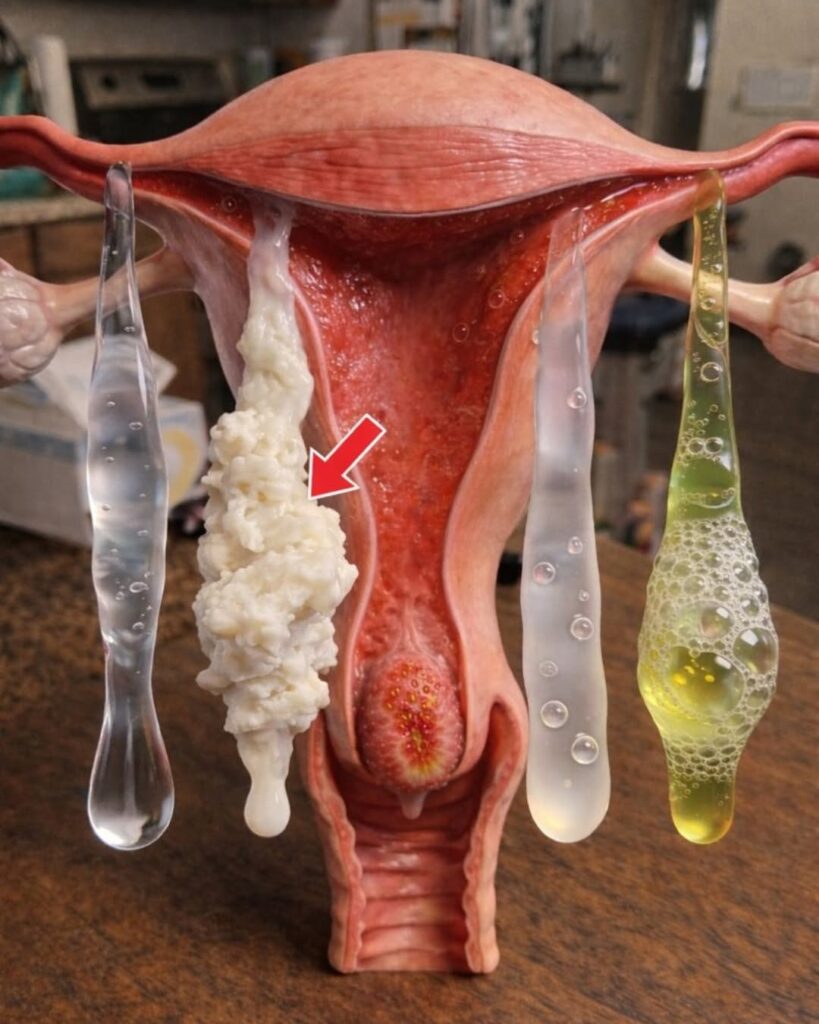
Many women feel embarrassed or worried when they notice changes in vaginal discharge, wondering if it’s a sign of something serious. This natural bodily function often gets misunderstood, leading to unnecessary anxiety or even avoidance of important conversations about intimate health. The good news is that most variations are completely normal, reflecting your body’s way of staying clean and balanced. But knowing the difference between typical changes and potential red flags can bring peace of mind and help you take better care of yourself.
In this guide, we’ll cover what vaginal discharge really is, how it shifts throughout your life, and simple ways to support vaginal health every day. Stick around until the end — there’s a helpful video summary that ties everything together in an easy-to-watch format.
What Is Vaginal Discharge?
Vaginal discharge is a natural fluid produced by glands in the cervix and vagina. It plays a key role in keeping the area clean by removing dead cells and bacteria, while also providing lubrication and protection against infections. Think of it as your body’s built-in maintenance system — far from being “dirty,” it’s a sign of good health.
Research from trusted sources like the Cleveland Clinic and Mayo Clinic shows that this discharge helps maintain a slightly acidic environment (pH around 4-4.5), which naturally discourages harmful bacteria from overgrowing.
Why Does Vaginal Discharge Change Throughout the Month?
Your discharge isn’t meant to stay the same every day — that’s actually a good thing. Hormonal shifts during the menstrual cycle cause noticeable variations in amount, texture, and appearance.
- After your period: Discharge often feels minimal or sticky, sometimes white and thick as the body resets.
- Leading up to ovulation: Estrogen rises, making discharge clear, stretchy, and slippery — like raw egg whites. This fertile mucus helps sperm movement.
- After ovulation: Progesterone takes over, and discharge typically becomes thicker, creamier, or less abundant.
- Before your next period: It may turn sticky again or decrease.
These patterns are driven by natural hormone fluctuations and are common for most women of reproductive age.
But that’s not all — other life stages bring their own changes too.
What Does Normal Vaginal Discharge Look Like?
Normal discharge usually shares these reassuring traits:
- Color: Clear, white, or slightly milky
- Consistency: Can range from watery and stretchy to thick and creamy
- Odor: Mild or none at all (a subtle tangy or neutral scent is fine)
- Amount: Varies daily, often 1/2 to 1 teaspoon, increasing around ovulation or arousal
- Sensations: No itching, burning, irritation, or discomfort
When these align, your vaginal ecosystem is likely in balance.
When Might Vaginal Discharge Signal Something Worth Checking?
Sudden shifts paired with discomfort deserve attention. Common warning signs include:
- Yellow, green, gray, or frothy discharge
- Strong, fishy, or unpleasant odor (especially after sex)
- Intense itching, burning, or redness
- Swelling around the vulva
- Pain during urination or intercourse
These aren’t something to ignore or try fixing on your own with home remedies. A healthcare provider can help identify the cause safely.
Common Causes of Changes in Vaginal Discharge
Several conditions can alter discharge, often tied to imbalances in bacteria or yeast.
Vaginal Yeast Infection (Candidiasis)
This happens when yeast (like Candida) overgrows. It often leads to:
- Thick, white, clumpy discharge (cottage cheese-like)
- Severe itching and burning
- Redness or irritation
Triggers include antibiotics, high-sugar diets, hormonal shifts, or weakened immunity. Studies highlight that yeast infections affect up to 75% of women at some point.
Bacterial Vaginosis (BV)
BV occurs when “good” bacteria decrease and others increase. Symptoms may include:
- Thin, grayish-white discharge
- Fishy odor, stronger after sex
- Mild or no itching
It’s the most common vaginal issue in women of reproductive age, per health organizations like the CDC.
Sexually Transmitted Infections (STIs)
Certain STIs can change discharge noticeably:
- Trichomoniasis: Frothy, yellow-green discharge with a strong odor, plus itching or discomfort
- Chlamydia or Gonorrhea: Yellow or abnormal discharge, sometimes with pelvic pain or bleeding
Early awareness and testing protect both your health and partners’.
Here’s a quick comparison of key differences:
- Yeast Infection: Thick white clumps, intense itch, no strong odor
- Bacterial Vaginosis: Thin gray/white, fishy smell, mild symptoms
- Trichomoniasis: Frothy yellow-green, foul odor, irritation
Other Factors That Influence Vaginal Discharge
Beyond infections, everyday elements play a role:
- Hormonal birth control: Can thicken or reduce discharge based on estrogen impact
- Pregnancy: Increased discharge (clear/white) as the body ramps up protection
- Stress: Disrupts hormones, potentially leading to changes
- Diet and sleep: Poor habits weaken immunity and balance
- Menopause: Lower estrogen often means less discharge and possible dryness
Simple Habits for Better Vaginal Health
Your vagina is self-cleaning — no need for aggressive scrubbing. Focus on these gentle practices:
- Wash the external vulva daily with warm water and unscented, mild soap.
- Avoid douching, scented wipes, or harsh products — they disrupt natural bacteria.
- Wear breathable cotton underwear and loose clothing to reduce moisture buildup.
- Change out of wet swimsuits or sweaty clothes promptly.
- Wipe front to back after using the bathroom to prevent bacteria spread.
These small steps support your body’s natural defenses.
Vaginal Discharge Across Life Stages
In Adolescence: Discharge often starts with puberty as a normal sign of development. Many teens worry about stains, but education helps ease fears.
During Menstruation: Mixed with blood, it may smell stronger temporarily — that’s expected. Persistent odd odors post-period warrant a check.
In Menopause: Reduced estrogen leads to thinner discharge or dryness, which can cause discomfort. Options like moisturizers exist to help.
Listening to Your Body: The Key to Confidence
Tuning into what’s normal for you empowers better decisions. Track patterns if helpful, but don’t obsess. If anything feels persistent or off, a gynecologist visit is the smartest move — early steps prevent bigger concerns.
Final Thoughts
Vaginal discharge is a quiet but powerful indicator of your intimate health. Embracing it as normal reduces stigma and builds self-care confidence. Open conversations break myths and help everyone feel more informed and supported.
Frequently Asked Questions
Is it normal to have vaginal discharge every day?
Yes — most women experience daily discharge in varying amounts as part of natural cleansing.
Does vaginal discharge change during pregnancy?
Often yes — it usually increases and stays clear or white due to higher hormones and protection needs.
When should I see a doctor about vaginal discharge?
If you notice unusual color, strong odor, itching, burning, or pain — prompt evaluation is best.
Disclaimer: This article is for informational purposes only and not a substitute for professional medical advice. Always consult a qualified healthcare provider for personalized guidance, diagnosis, or concerns about your health.