
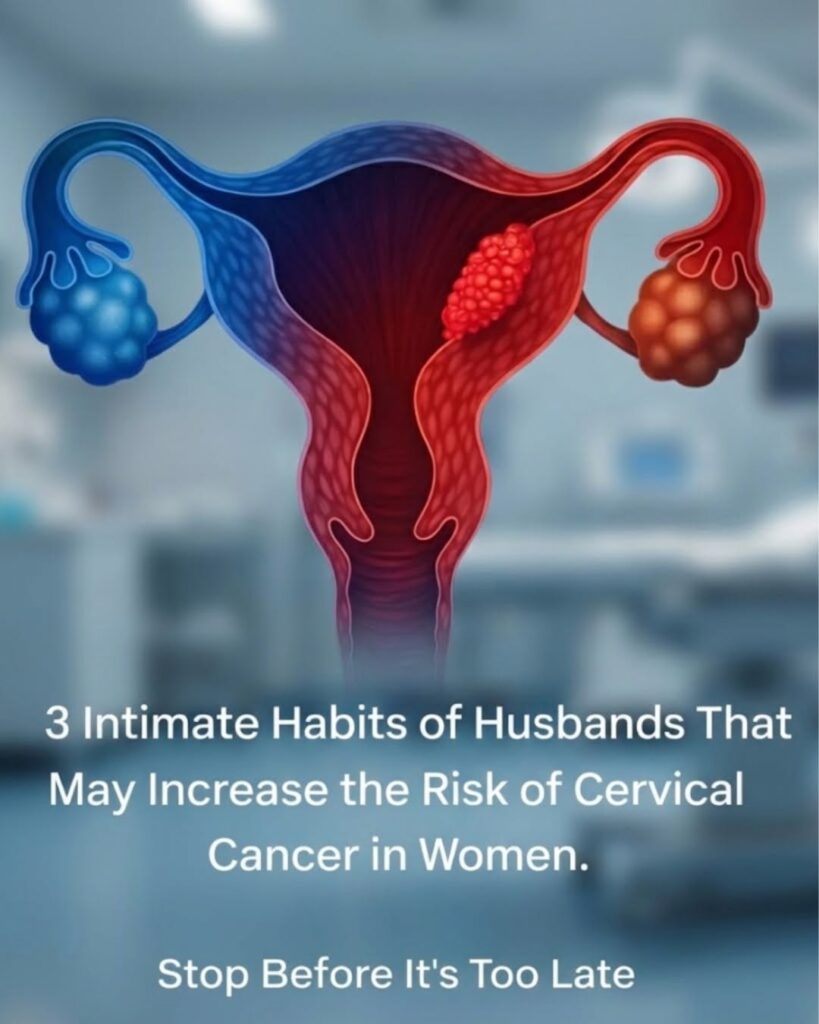
Cervical cancer remains one of the most preventable cancers, yet many cases stem from long-term exposure to high-risk strains of human papillomavirus (HPV), a common sexually transmitted virus. While much attention focuses on women’s screening and vaccination, male partners play a key role in transmission and persistence of the virus. Certain everyday habits can unintentionally heighten a woman’s risk by increasing HPV exposure or making it harder for her body to clear the infection. The good news? Awareness and small adjustments can support better shared health outcomes.
In this article, we’ll explore three common male habits backed by research that may contribute to elevated risk — and simple steps couples can take together for stronger protection.
1. Not Using Condoms Consistently in Long-Term Relationships
In stable relationships, many couples phase out condoms once other birth control methods are in place or pregnancy is no longer a concern. This shift feels natural, but it overlooks an important layer of protection.
Condoms serve as a barrier against skin-to-skin contact that spreads HPV. Studies from organizations like the American Cancer Society and CDC show that consistent condom use reduces the risk of HPV transmission, even though it doesn’t eliminate it completely (since HPV can affect areas not covered by condoms). When protection stops, the chance of ongoing exposure to high-risk HPV strains rises — especially if either partner unknowingly carries the virus, which often shows no symptoms in men.
Research indicates that women whose partners have had multiple sexual contacts face higher odds of persistent HPV, a key factor in cervical changes over time.
Here’s what couples can do right now:
- Reintroduce condoms as a health choice, not a trust issue — many modern options feel natural and maintain intimacy.
- Combine methods — use condoms alongside other contraception for dual benefits.
- Get tested together — open conversations about STI status build mutual confidence.
This simple habit reinforces shared responsibility and gives the immune system a better chance to handle any exposure.
2. Smoking or Exposing Partners to Secondhand Smoke
Smoking harms nearly every organ, but its link to cervical health surprises many. Tobacco chemicals damage cells and weaken immunity — effects that reach beyond the lungs.
Women who smoke face roughly twice the risk of cervical cancer compared to non-smokers, according to extensive reviews from the National Cancer Institute. Even more relevant for partners: exposure to secondhand smoke also raises risk. Multiple studies, including meta-analyses, link passive smoke to higher chances of persistent HPV infections and precancerous changes, as carcinogens in tobacco impair the body’s ability to clear the virus.
Living with a smoker means breathing those same harmful compounds indoors, in cars, or shared spaces — creating a constant low-level exposure that adds up over years.
Positive steps to reduce this risk:
- Create smoke-free zones at home and in vehicles.
- Support quitting — resources like counseling or apps make it achievable, benefiting both partners’ long-term health.
- Avoid smoking around others — even occasional exposure matters.
By cutting smoke exposure, couples protect intimate health alongside overall wellness.
3. Engaging in Sexual Activity During Menstruation Without Protection
This topic rarely gets open discussion, but timing can influence vulnerability.
During menstruation, the cervix is slightly more open, and vaginal pH and immune responses shift temporarily. While sex during periods doesn’t directly cause cancer, it may facilitate greater exposure to microorganisms — including HPV — if protection isn’t used and one partner carries the virus.
Evidence on this specific timing is limited and mixed; some research shows no strong direct link to increased transmission, but experts emphasize that any unprotected contact heightens general STI risk when natural barriers fluctuate. Couples who skip protection during this phase could unknowingly increase viral load exposure.
Key ways to navigate this safely:
- Use condoms or other barriers every time — regardless of cycle phase.
- Respect personal preferences — some women prefer to pause intimacy during periods for comfort and recovery.
- Communicate openly — discussing boundaries shows care and prevents unnecessary risks.
Timing matters, and thoughtful choices during the menstrual cycle support better outcomes.
Warning Signs to Watch For and When to Seek Help
Early detection saves lives. While these habits influence risk, recognizing changes empowers action. Common signals that deserve prompt attention include:
- Unusual vaginal discharge, odor, or color
- Persistent discomfort or itching in the intimate area
- Pain during intercourse
- Unexplained spotting between periods or after sex
These aren’t definitive diagnoses, but they warrant a visit to a healthcare provider. Routine cervical screening (like Pap tests or HPV co-testing) remains the gold standard for catching issues early, when they’re most manageable.
Why Male Awareness and Partnership Make a Difference
Cervical cancer is preventable in most cases, with HPV linked to nearly all instances. Yet prevention works best as a team effort. Men may not face the same direct consequences, but their choices — from protection habits to smoke-free living — directly support their partner’s long-term health.
Small shifts, like consistent condom use, quitting smoking, and mindful intimacy timing, add up to meaningful protection. Add HPV vaccination (recommended for eligible adults) and regular screenings, and couples create a stronger shield against risk.
Did you know? HPV vaccination and screening have dramatically reduced rates in many countries — proving that informed action truly changes outcomes.
FAQ
Does stopping condom use in a long-term relationship really affect cervical cancer risk?
Yes, potentially. Condoms lower HPV transmission chances, so pausing them increases exposure risk over time, even in monogamous partnerships.
How does secondhand smoke play a role if only one partner smokes?
Secondhand smoke contains similar harmful chemicals that can weaken immunity and hinder HPV clearance, raising cervical cancer risk for the non-smoking partner.
Is sex during menstruation safe in terms of HPV?
It’s not inherently unsafe, but unprotected sex during this time may heighten exposure risk due to temporary changes in the reproductive environment — using protection is always recommended.
Disclaimer: This article is for informational purposes only and not a substitute for professional medical advice. Always consult a qualified healthcare provider for personalized guidance on sexual health, screening, or risk factors. Early detection through regular check-ups is essential for prevention.