18 Possible Signs of Histamine Intolerance (And What May Be Behind Them)
18 Possible Signs of Histamine Intolerance (And What May Be Behind Them)
For some people, however, the body may have difficulty breaking down histamine efficiently. When histamine builds up faster than it can be cleared, it may contribute to a collection of symptoms commonly referred to as histamine intolerance.
Although this condition is still being studied and can be difficult to diagnose, understanding its potential signs may help you have a more informed conversation with your healthcare provider.
What Is Histamine Intolerance?
Histamine intolerance does not mean you’re allergic to histamine itself.
Instead, it generally refers to a situation where histamine accumulates because the body cannot break it down effectively. One reason may be reduced activity of an enzyme called diamine oxidase (DAO), which normally helps metabolize histamine from food in the digestive tract.
When histamine levels rise beyond what your body can comfortably manage, symptoms may appear.
18 Possible Signs of Histamine Intolerance
Symptoms vary widely from person to person and often resemble allergies or other medical conditions.
1. Digestive Discomfort
Bloating, stomach cramps, diarrhea, or abdominal discomfort may occur after eating certain foods.
2. Persistent Fatigue
Some individuals report unusual tiredness even after adequate rest.
3. Frequent Headaches or Migraines
Histamine has been linked to migraine episodes in some susceptible people.
4. Heartburn
Excess histamine may contribute to digestive irritation in certain individuals.
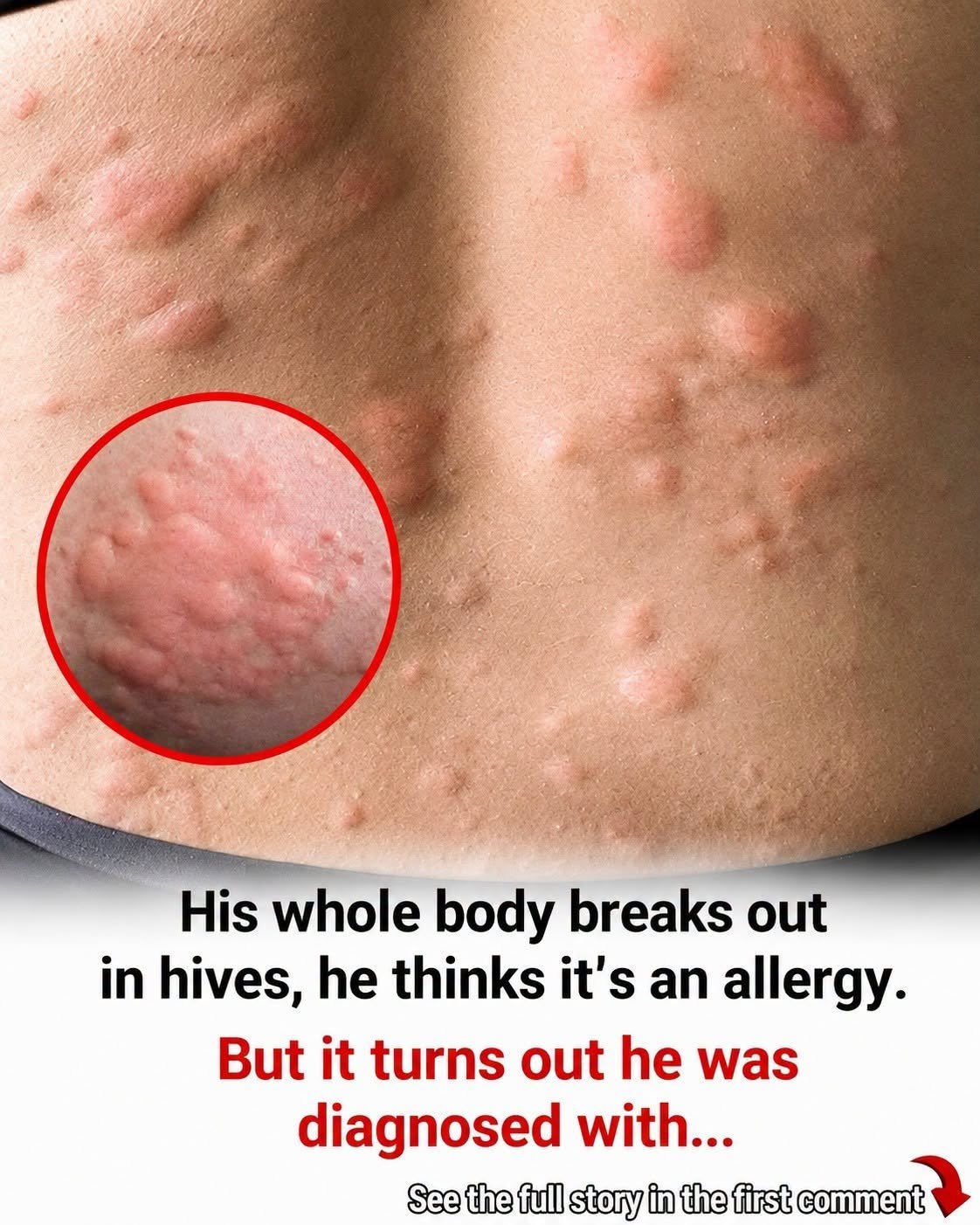
5. Hives (Urticaria)
Raised, itchy welts on the skin are among the more recognizable symptoms.
6. Irregular Menstrual Cycles
Some women notice symptoms becoming more noticeable during certain phases of their cycle.
7. Nausea
Digestive upset may include occasional nausea after meals.
8. Nasal Congestion or Sinus Pressure
A constantly stuffy nose without a cold may sometimes be associated with elevated histamine.
9. Watery Eyes
Eye irritation and tearing may resemble seasonal allergies.
10. Vomiting
Although less common, some individuals experience vomiting during more severe reactions.
11. Abdominal Pain
Histamine accumulation may contribute to gastrointestinal discomfort in some cases.
12. Anxiety or Feelings of Restlessness
Histamine also acts as a neurotransmitter and may influence mood and alertness.
13. Shortness of Breath
Breathing symptoms should always be evaluated promptly by a healthcare professional.
14. Dizziness
Some people report feeling lightheaded after consuming high-histamine foods.
15. Changes in Blood Pressure
Blood pressure may fluctuate during episodes in certain individuals.
16. Irregular Heartbeat
Palpitations can occur for many reasons and should always be medically assessed.
17. Difficulty Regulating Body Temperature
Some people experience flushing or feel unusually hot or cold.
18. Tissue Swelling
Swelling around the face or other body areas may accompany histamine-related reactions.
These symptoms are not unique to histamine intolerance and may be caused by many other medical conditions. Proper evaluation is essential.
What May Contribute to Histamine Intolerance?
Researchers believe histamine intolerance is often related to reduced DAO enzyme activity or excessive histamine exposure.
Possible contributing factors include:
- Certain digestive disorders
- Medications that interfere with DAO production or function
- Eating large amounts of histamine-rich foods
- Foods that encourage histamine release
- Foods that may reduce DAO activity
- Imbalances in gut bacteria that increase histamine production
Often, more than one factor is involved.
Why Is It Difficult to Recognize?
Histamine intolerance doesn’t follow the same pattern as a traditional food allergy.
Many experts describe it as a “histamine bucket.”
Your body can tolerate a certain amount of histamine, but once that personal threshold is exceeded, symptoms may begin to appear. Because histamine exposure varies from day to day, symptoms may seem unpredictable.
Foods That May Be High in Histamine
Some people working with a healthcare professional may temporarily reduce foods such as:
- Alcohol and fermented beverages
- Aged cheeses
- Processed or smoked meats
- Shellfish
- Chocolate
- Tomatoes
- Spinach
- Eggplant
- Avocados
- Bananas
- Papaya
- Citrus fruits
- Dried fruits
- Certain nuts and legumes
- Black tea, green tea, and some energy drinks
- Foods containing certain additives or colorings
Not everyone reacts to the same foods, and tolerance varies greatly.
Foods That Are Often Considered Lower in Histamine
Depending on individual tolerance, many people may choose foods such as:
- Rice and quinoa
- Fresh vegetables (except those that personally trigger symptoms)
- Non-citrus fruits
- Eggs
- Unsweetened plant-based milk alternatives
- Freshly prepared meat and fish
- Olive oil and other simple cooking oils
Freshness matters, as histamine levels tend to increase as foods age or are stored for long periods.
How Is Histamine Intolerance Diagnosed?
Because its symptoms overlap with allergies, digestive disorders, food sensitivities, and other medical conditions, diagnosis can be challenging.
A healthcare professional may recommend:
- Reviewing your medical history
- Keeping a symptom and food diary
- Trying a supervised elimination diet for several weeks
- Gradually reintroducing foods
- Testing DAO activity or other laboratory evaluations when appropriate
- Ruling out other possible conditions first
Avoid self-diagnosing based solely on symptoms.
Can Antihistamines Help?
Antihistamines may temporarily reduce certain symptoms by blocking histamine receptors, but they do not lower histamine levels already present in the body.
For ongoing symptoms, it’s important to work with a healthcare professional to identify possible underlying causes and develop an individualized management plan.
Final Thoughts
Histamine intolerance remains an area of active research, and experiences vary from person to person. If you frequently experience allergy-like symptoms without a clear explanation, discussing them with your healthcare provider may help determine whether histamine intolerance—or another condition—is contributing.
Rather than eliminating foods unnecessarily, focus on obtaining an accurate diagnosis and building a balanced eating plan that supports your overall health.