
17 Daily Habits to Support a Healthy Colon
Your colon (large intestine) plays an important role in digestion by absorbing water and electrolytes, processing waste, and supporting the many beneficial bacteria that make up your gut microbiome.
Maintaining a healthy colon doesn’t require extreme cleanses or detox products. Instead, consistent daily habits—such as eating enough fiber, staying hydrated, being physically active, and keeping up with recommended health screenings—can help support digestive health.
Nutrition Habits
1. Eat More Fiber
Include a variety of fiber-rich foods such as:
- Fruits
- Vegetables
- Whole grains
- Beans and lentils
- Nuts and seeds
Most adults should aim for about 25–38 grams of fiber per day, depending on age and sex.
2. Drink Plenty of Water
Fiber works best when paired with adequate hydration. Drinking enough fluids helps support normal bowel movements and overall digestive function.
3. Include Fermented Foods
Foods such as yogurt with live cultures, kefir, kimchi, sauerkraut, and other fermented foods can be part of a balanced diet that supports a healthy gut microbiome.
4. Eat a Variety of Colorful Fruits and Vegetables
Colorful produce provides vitamins, minerals, fiber, and naturally occurring plant compounds that contribute to overall health.
5. Choose Healthy Fats
Foods such as:
- Extra virgin olive oil
- Avocados
- Nuts
- Seeds
- Fatty fish
provide healthy fats that are part of heart-healthy eating patterns.
6. Limit Processed Meats
Limiting processed meats and choosing lean protein sources such as fish, poultry, beans, and lentils supports an overall healthy dietary pattern.
7. Reduce Added Sugars
Limiting foods and beverages high in added sugars supports overall health and helps maintain a balanced diet.
Lifestyle Habits
8. Stay Physically Active
Regular physical activity, including walking, cycling, swimming, or other enjoyable exercise, helps support normal bowel function and overall health.
9. Don’t Ignore the Urge to Have a Bowel Movement
Responding to your body’s natural signals may help maintain regular bowel habits.
10. Manage Stress
Stress can affect digestive function. Relaxation techniques such as deep breathing, meditation, yoga, or journaling may be helpful for some people.
11. Get Enough Sleep
Most adults benefit from 7–9 hours of quality sleep each night, which supports many aspects of health, including digestive well-being.
12. Limit Alcohol
Drinking alcohol in moderation—or avoiding it altogether—can help reduce the risk of several digestive and other health problems.
13. Don’t Smoke
Smoking increases the risk of numerous diseases, including colorectal cancer and other digestive conditions.
Preventive Habits
14. Chew Your Food Thoroughly
Chewing food well helps begin the digestive process and may make meals more comfortable to digest.
15. Eat Regular Meals
Consistent meal patterns may help support normal digestive function for many people.
16. Include Foods That Support a Healthy Gut Microbiome
A varied diet rich in fiber, fruits, vegetables, legumes, whole grains, and fermented foods helps nourish beneficial gut bacteria.
17. Stay Up to Date With Recommended Screenings
Regular preventive healthcare is one of the most effective ways to protect colon health.
Talk with your healthcare provider about colorectal cancer screening, which is recommended for most adults beginning at age 45, although some people may need earlier screening based on personal or family history.
A Simple High-Fiber Green Smoothie
This smoothie is an easy way to increase your fiber intake.
Ingredients
- 1 handful fresh spinach
- ½ banana
- ½ cup berries
- 1 tablespoon chia seeds or ground flaxseed
- 1 cup water or unsweetened milk
Instructions
Blend until smooth and enjoy with an additional glass of water to help your body handle the added fiber.
This smoothie supports fiber intake—it is not a colon cleanse or detox.
When to See a Healthcare Professional
Seek medical advice if you experience:
- Blood in your stool
- Constipation or diarrhea lasting longer than two weeks
- Severe or persistent abdominal pain
- Unexplained weight loss
- Ongoing changes in bowel habits
- A family history of colorectal cancer or inflammatory bowel disease
Prompt evaluation can help identify the cause and determine whether treatment or additional testing is needed.
Common Myths About Colon Health
Myth: Your colon needs regular detoxes or cleanses.
Fact: In healthy people, the digestive system, liver, and kidneys naturally process and eliminate waste products. Routine colon cleanses are not necessary for maintaining colon health.
Myth: One drink or food can clean your colon.
Fact: No single beverage or food has been shown to cleanse the colon or remove toxins. Long-term healthy habits have the greatest impact on digestive health.
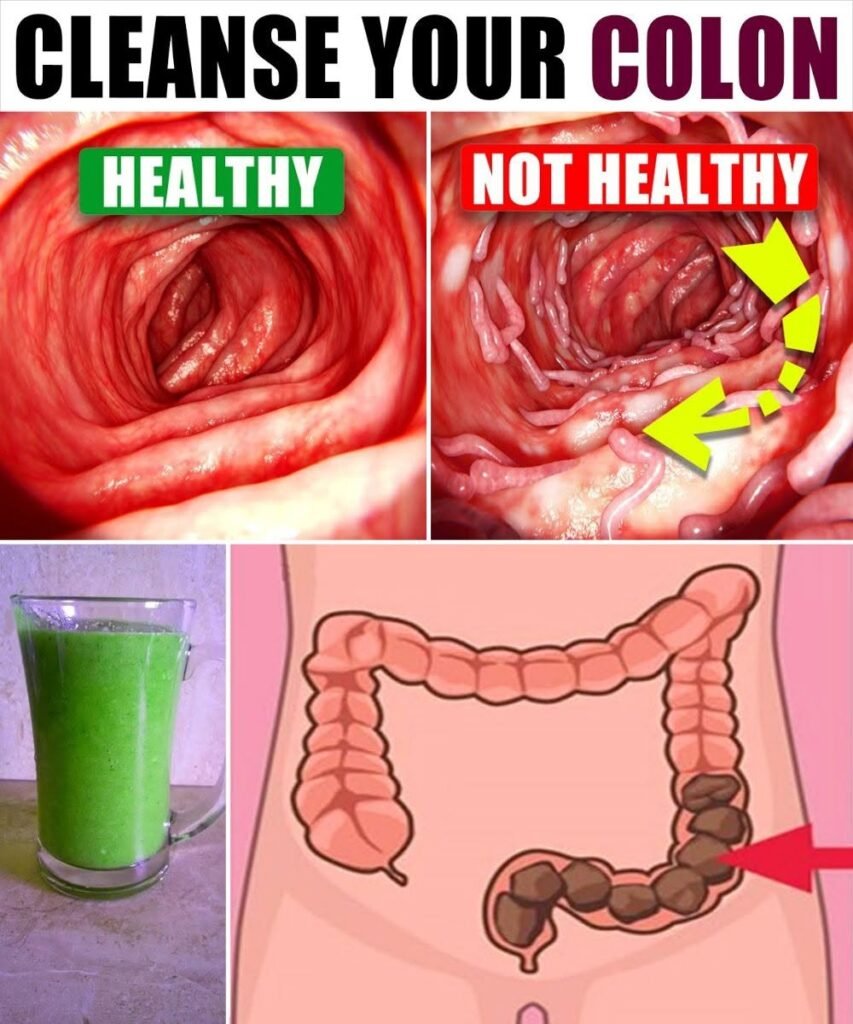
Myth: Photos showing large amounts of “toxins” leaving the body prove a cleanse works.
Fact: Many images used in advertisements are misleading or taken out of context. Colon health is measured by how well your digestive system functions—not by dramatic pictures.
Final Thoughts
Supporting a healthy colon doesn’t require expensive supplements or extreme detox programs. The strongest scientific evidence supports a combination of:
- Eating plenty of fiber
- Staying hydrated
- Exercising regularly
- Sleeping well
- Avoiding tobacco
- Limiting alcohol
- Keeping up with recommended medical screenings
Small, consistent habits practiced every day can have a meaningful impact on your digestive health over time.
Disclaimer: This article is for informational and educational purposes only and should not be considered medical advice. If you have persistent digestive symptoms or concerns about your colon health, consult a licensed healthcare professional for personalized evaluation and care.