
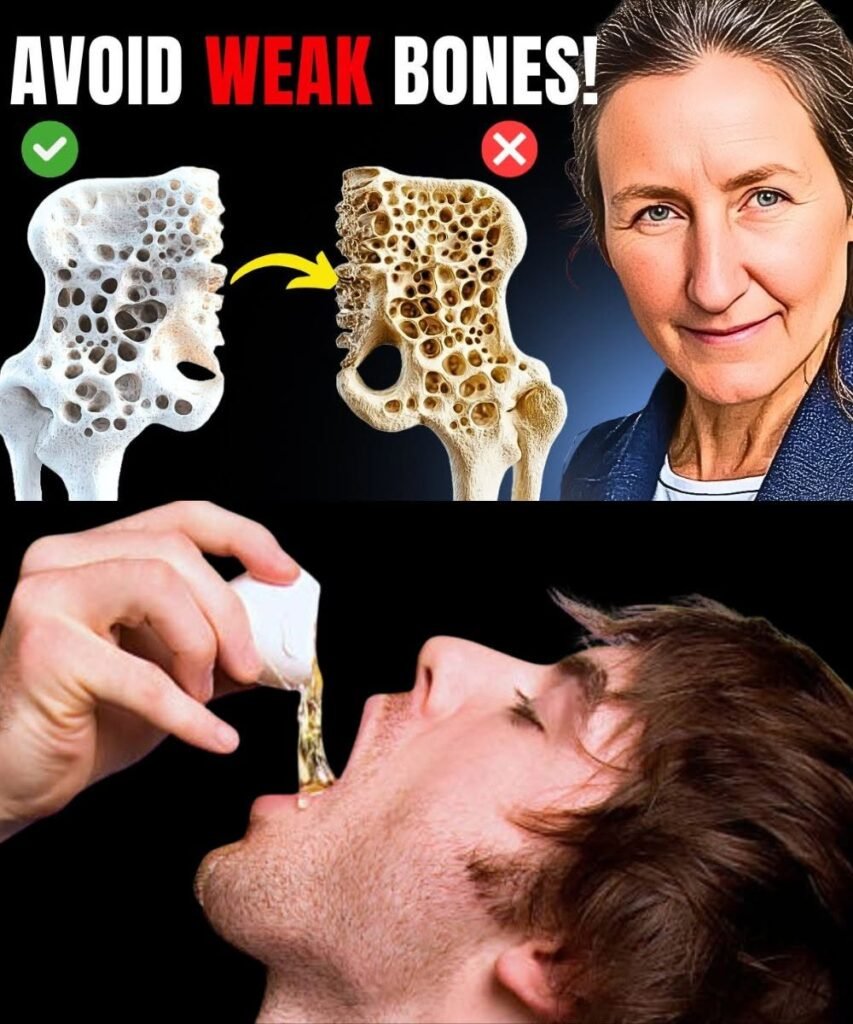
16 Foods That Support Bone Health
Strong bones require more than just calcium. A healthy diet that includes calcium, vitamin D, protein, vitamin K, magnesium, and other essential nutrients—along with regular exercise—helps maintain bone strength throughout life.
Important: No single food can prevent or treat osteoporosis on its own. A balanced diet, healthy lifestyle, and medical care when needed are the best approach.
1. Dairy Foods (Milk, Yogurt, Cheese)
Why they’re beneficial: Excellent sources of calcium and protein. Many dairy products are also fortified with vitamin D.
How to enjoy them:
- Drink a glass of milk.
- Top yogurt with fresh fruit.
- Sprinkle cheese over vegetables or salads.
2. Leafy Green Vegetables (Kale, Collard Greens, Bok Choy)
Why they’re beneficial: Rich in calcium and vitamin K, which supports normal bone metabolism.
How to enjoy them:
- Sauté with garlic.
- Blend into smoothies.
- Add to soups or stir-fries.
3. Sardines and Canned Salmon with Bones
Why they’re beneficial: Provide calcium, vitamin D, high-quality protein, and omega-3 fats.
How to enjoy them:
- Add to salads.
- Serve on whole-grain crackers.
- Mix into sandwiches.
4. Tofu and Tempeh
Why they’re beneficial: Tofu made with calcium sulfate is an excellent source of calcium and protein. Tempeh is also rich in protein.
How to enjoy them:
- Stir-fry with vegetables.
- Grill or bake.
- Add to grain bowls.
5. Almonds
Why they’re beneficial: Contain calcium, magnesium, and protein.
How to enjoy them:
- Eat a handful as a snack.
- Spread almond butter on toast.
- Add to oatmeal or yogurt.
6. Chia Seeds and Sesame Seeds
Why they’re beneficial: Provide calcium, magnesium, healthy fats, and fiber.
How to enjoy them:
- Sprinkle over yogurt or oatmeal.
- Blend into smoothies.
- Add to salads.
7. Fortified Plant Milks
Why they’re beneficial: Many are fortified with calcium and vitamin D.
How to enjoy them:
- Pour over cereal.
- Add to coffee or tea.
- Blend into smoothies.
8. Beans (White Beans, Chickpeas)
Why they’re beneficial: Supply calcium, magnesium, protein, and fiber.
How to enjoy them:
- Add to salads.
- Stir into soups or stews.
- Blend into hummus.
9. Oranges
Why they’re beneficial: High in vitamin C, which helps the body produce collagen, an important component of bone.
How to enjoy them:
- Eat fresh.
- Add slices to salads.
- Infuse water with orange slices.
10. Eggs
Why they’re beneficial: Provide protein, with small amounts of vitamin D in the yolk.
How to enjoy them:
- Boiled.
- Scrambled.
- As an omelet with vegetables.
11. Prunes
Why they’re beneficial: Some research suggests regular prune consumption may help support bone health.
How to enjoy them:
- Eat 4–6 prunes as a snack.
- Mix into oatmeal or trail mix.
12. Broccoli
Why it’s beneficial: Contains calcium, vitamin K, and vitamin C.
How to enjoy it:
- Steam or roast.
- Add to stir-fries.
- Toss into pasta dishes.
13. Brazil Nuts
Why they’re beneficial: Rich in selenium and magnesium.
How to enjoy them:
- Eat just 1–2 nuts per day, as they are very high in selenium.
14. Fortified Cereals and Oatmeal
Why they’re beneficial: Many are fortified with calcium and vitamin D.
How to enjoy them:
- Serve with fortified milk.
- Top with fruit and nuts.
15. Sweet Potatoes
Why they’re beneficial: Provide potassium and magnesium, which support overall bone health.
How to enjoy them:
- Bake or roast.
- Mash as a side dish.
- Add to soups.
16. Mineral Water
Why it’s beneficial: Staying hydrated supports overall health, and some mineral waters provide calcium and magnesium.
How to enjoy it:
- Drink throughout the day as part of your daily fluid intake.
Tips for Better Nutrient Absorption
- Pair calcium with vitamin D: Get vitamin D from safe sun exposure, fortified foods, or supplements if recommended by your healthcare provider.
- Spread calcium intake throughout the day: Smaller amounts are generally absorbed better than very large doses at once.
- Include protein with each meal: Protein helps build and maintain the bone matrix.
- Limit excess sodium and sugary soft drinks: A balanced diet lower in excess salt supports overall bone health.
- Choose a variety of vegetables: Low-oxalate greens such as kale and bok choy are especially good calcium sources.
Lifestyle Habits That Support Strong Bones
- Do regular weight-bearing and resistance exercises such as walking, dancing, stair climbing, or strength training.
- Have your vitamin D level checked if recommended by your healthcare provider.
- Avoid smoking and limit alcohol intake.
- Reduce fall risk by keeping your home well lit, removing tripping hazards, and staying physically active to maintain balance and strength.
Safety Notes
- Speak with your healthcare provider before taking calcium or vitamin D supplements. Too much calcium can increase the risk of kidney stones and other health problems in some people.
- If you have kidney disease, kidney stones, food allergies, or digestive conditions, ask your healthcare provider or a registered dietitian about the best dietary choices for you.
- Some medications can affect bone health, so discuss your treatment plan with your healthcare provider.
Final Thoughts
A varied diet rich in calcium, vitamin D, protein, magnesium, and vitamin K—combined with regular physical activity and healthy lifestyle habits—is one of the best ways to support strong bones. No single food or “miracle” drink can build healthy bones on its own, but consistent healthy choices over time can make a meaningful difference.