14 Warning Signs of Cancer Women Should Never Ignore
14 Warning Signs of Cancer Women Should Never Ignore
Many physical changes are harmless and may be related to aging, hormonal fluctuations, infections, or other non-cancerous conditions. However, some persistent or unusual symptoms deserve medical attention because they can occasionally be early signs of cancer.
The goal isn’t to create fear—it’s to encourage awareness. Detecting cancer in its early stages often leads to more treatment options and better outcomes.
Below are 14 warning signs that women should discuss with a healthcare professional if they persist or are unexplained.
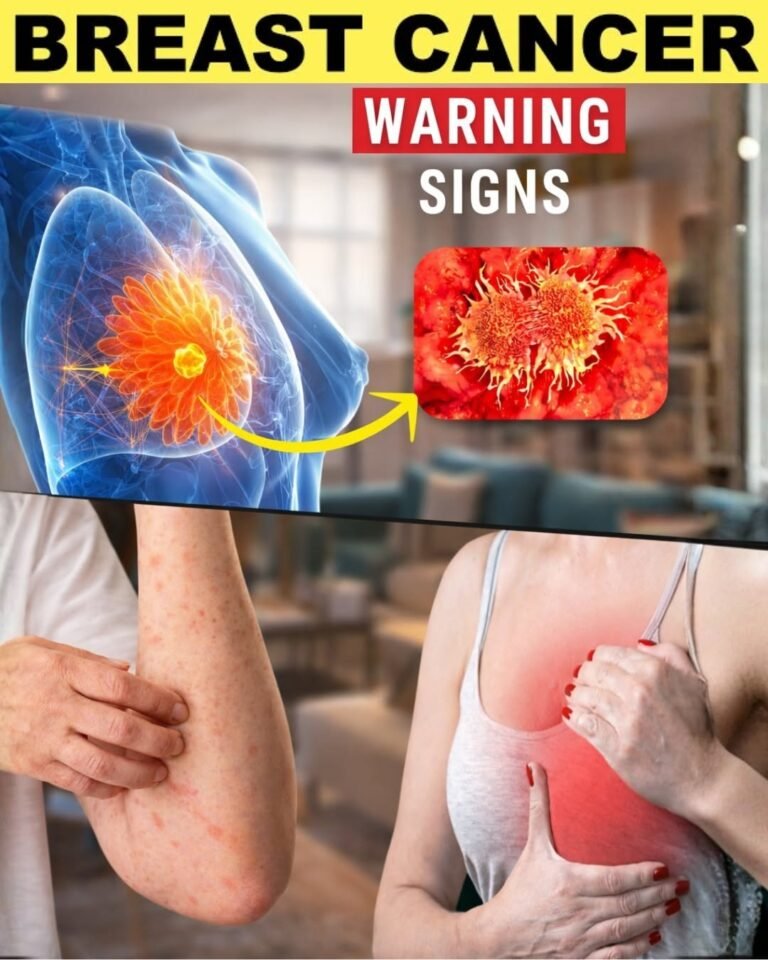
1. A New Lump in the Breast or Underarm
A lump in the breast or armpit is one of the most recognized warning signs of breast cancer.
While many breast lumps are benign, any new lump—especially one that feels hard, doesn’t move easily, or persists—should be evaluated by a healthcare provider.
2. Changes in Breast Size or Shape
If one breast suddenly changes in size, shape, or appearance without an obvious reason, it’s worth scheduling a medical examination.
Other changes may include:
- Swelling
- Skin dimpling
- Uneven appearance
- Thickened skin
3. Persistent Changes in Breast Skin
Redness, swelling, scaling, or skin that resembles the texture of an orange peel may require prompt medical assessment.
Although these symptoms can have several causes, they should not be ignored if they persist.
4. Unusual Nipple Discharge
Nipple discharge that occurs without squeezing—especially if it is bloody, clear, or comes from only one breast—should be evaluated by a healthcare professional.
5. A Newly Inverted Nipple
If a nipple that normally points outward suddenly turns inward, particularly if this change is new, it should be examined.
6. White or Red Patches Inside the Mouth
Persistent white or bright red patches on the tongue, gums, or inside the cheeks that do not heal after two weeks deserve dental or medical evaluation.
These changes are often harmless but can occasionally indicate precancerous conditions.
7. Changes in Moles or Skin Spots
Monitor your skin using the ABCDE rule:
- A — Asymmetry
- B — Irregular borders
- C — Multiple or changing colors
- D — Diameter larger than about 6 mm
- E — Evolution or noticeable change over time
A mole that bleeds, itches, or rapidly changes should be checked by a dermatologist.
8. A Lump or Swelling in the Neck
A persistent lump in the neck may be related to swollen lymph nodes, thyroid conditions, infections, or other medical issues.
If it lasts more than two weeks or continues to grow, medical evaluation is recommended.
9. Vaginal Bleeding After Menopause
Bleeding that occurs after menopause is never considered normal and should always be assessed by a healthcare provider.
While many causes are not cancer, prompt evaluation is important.
10. Persistent Changes in the Vulva
Sores, lumps, persistent itching, skin color changes, or patches that do not heal should be discussed with a gynecologist.
11. Ongoing Swelling in One Arm or Leg
Swelling that affects only one limb and does not improve may be caused by several conditions, including circulation or lymphatic problems.
A healthcare professional can determine the underlying cause.
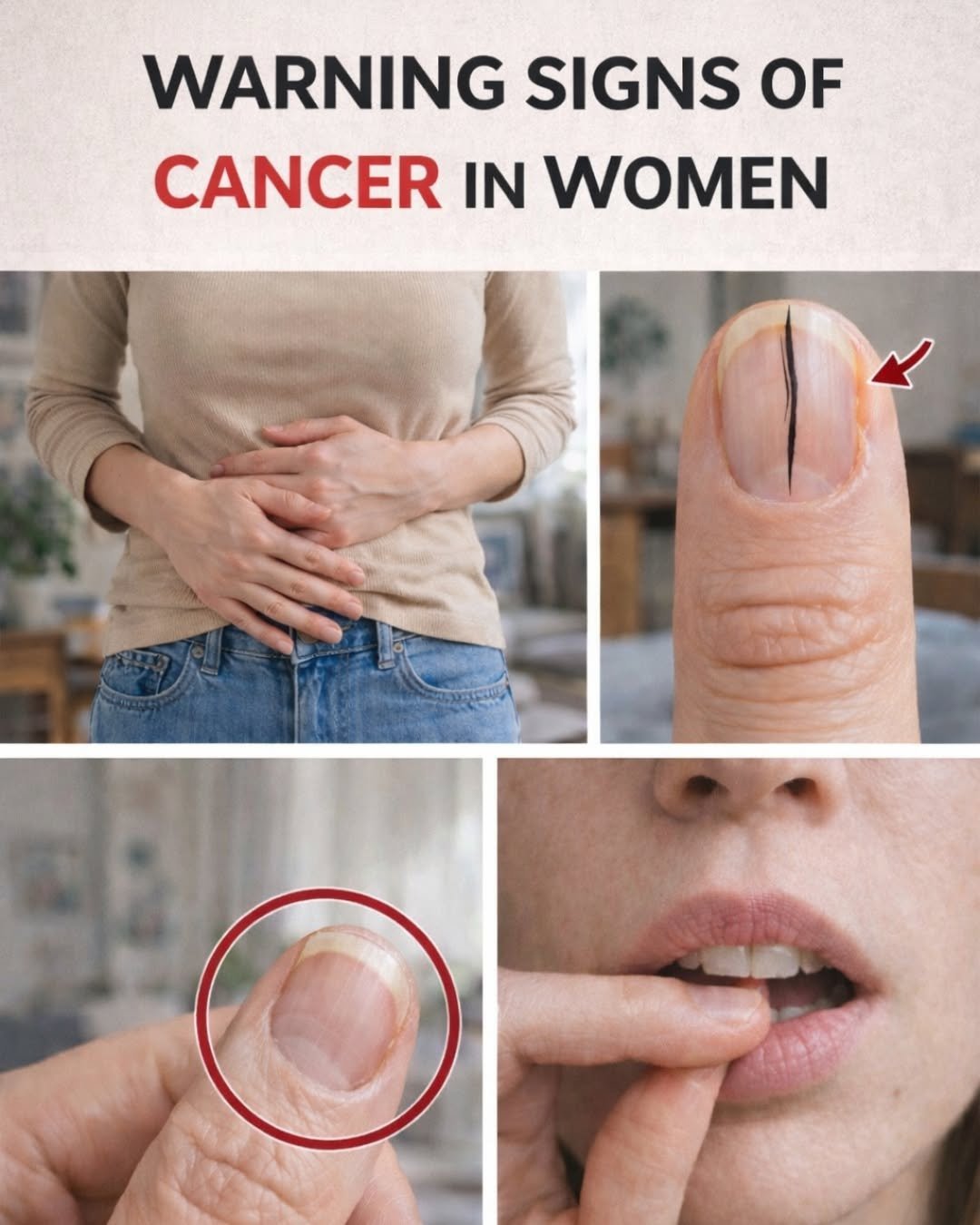
12. Dark Streaks Under a Fingernail or Toenail
A dark streak beneath the nail that does not move as the nail grows or continues to widen should be examined.
Although uncommon, it may occasionally be associated with a type of skin cancer called subungual melanoma.
13. Persistent Rectal Bleeding or Anal Changes
Rectal bleeding, ongoing pain, a lump, or unusual discharge should never be ignored.
These symptoms may result from hemorrhoids or other common conditions, but they also warrant medical evaluation to rule out more serious causes.
14. Unexplained Weight Loss Combined With Fatigue
Unexpected weight loss, extreme fatigue, pale or yellowing skin, or persistent weakness may indicate a wide range of medical conditions, including nutritional deficiencies, thyroid disorders, liver disease, or certain cancers.
These symptoms should be evaluated, particularly if they continue without a clear explanation.
When Should You See a Doctor?
Schedule a medical appointment if you notice:
- A symptom lasting more than two weeks
- A lump that continues to grow
- Unexplained bleeding
- Skin changes that don’t heal
- Persistent fatigue or unexplained weight loss
- Any symptom that represents a significant change from your normal health
Your healthcare provider may recommend appropriate tests depending on your symptoms, such as:
- Mammography
- Breast ultrasound
- Pap test
- HPV testing
- Skin examination
- Blood tests
- Colonoscopy
- Imaging studies
Can These Symptoms Have Other Causes?
Yes. Most of these warning signs are not caused by cancer.
Many are linked to:
- Hormonal changes
- Benign cysts
- Fibroadenomas
- Skin conditions
- Infections
- Thyroid disorders
- Hemorrhoids
- Medication side effects
Because symptoms often overlap, only a qualified healthcare professional can determine the underlying cause.
Frequently Asked Questions
Does every breast lump mean cancer?
No. Many breast lumps are benign, but every new or unusual lump should be evaluated.
Is unexplained weight loss always serious?
Not always. Weight loss can result from many conditions, but unexplained weight loss should be discussed with a healthcare provider.
How often should women perform breast self-awareness?
Women should become familiar with the normal appearance and feel of their breasts and report any new changes to their healthcare provider. Regular screening should follow local medical guidelines based on age and individual risk factors.
When should I seek urgent medical care?
Seek immediate medical attention if symptoms are severe, rapidly worsening, or accompanied by significant bleeding, difficulty breathing, severe pain, or other emergency symptoms.
Final Thoughts
Knowing your body is one of the most important steps you can take for your health.
Most physical changes have non-cancerous explanations, but persistent or unusual symptoms deserve professional evaluation. Early detection often improves treatment options and outcomes.
Regular medical checkups, recommended screening tests, and paying attention to changes in your body can play an important role in protecting your long-term health.
Medical Disclaimer: This article is for educational purposes only and is not a substitute for professional medical advice, diagnosis, or treatment. If you notice persistent or concerning symptoms, consult a qualified healthcare professional promptly.