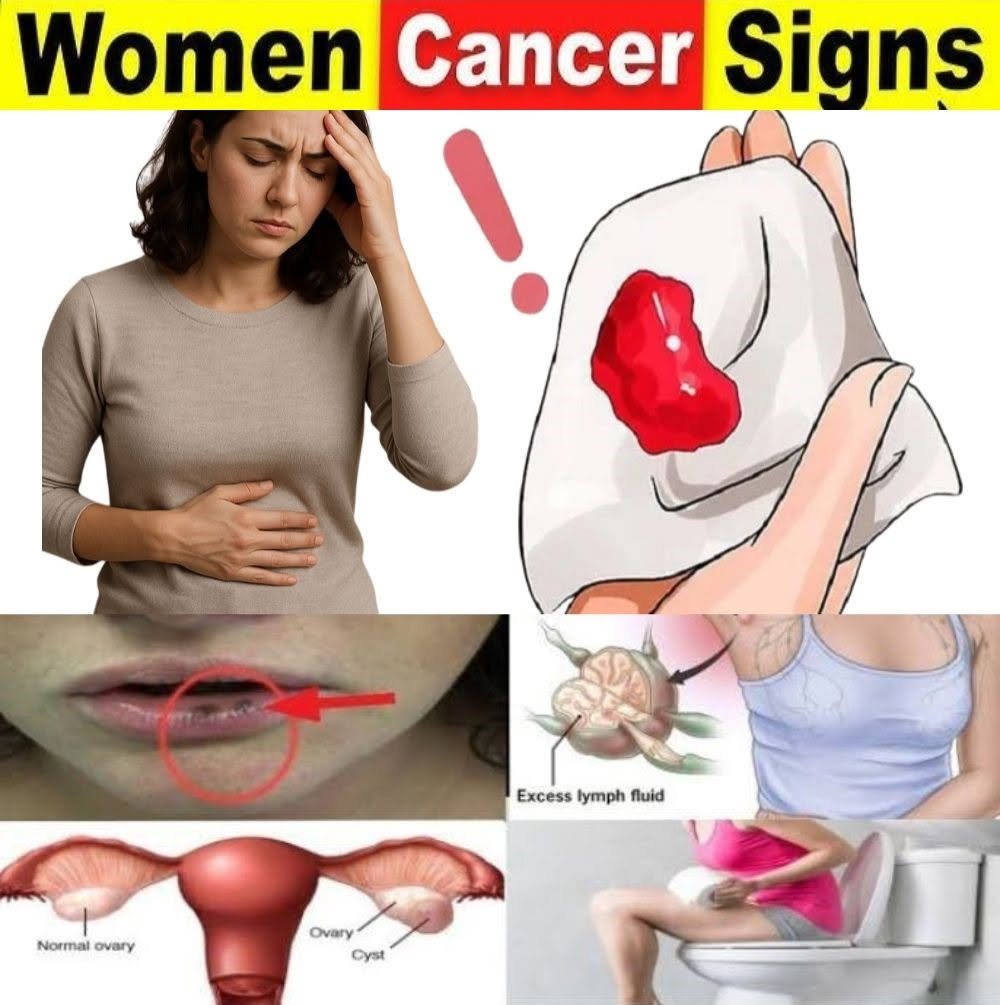
14 Visible Signs of Cancer Most Women Ignore – Warning Symptoms You Should Never Overlook!
14 Visible Signs of Cancer Most Women Ignore – Warning Symptoms You Should Never Overlook!
Cancer does not always begin with severe pain or obvious physical changes. Sometimes, the earliest warning signs are subtle changes in your body that are easy to dismiss as stress, hormonal fluctuations, ageing, or everyday health problems.
A small breast lump, unusual vaginal bleeding, persistent bloating, or a mouth sore that refuses to heal may seem harmless at first. However, certain persistent or unexplained symptoms deserve medical attention.
Women can develop several different types of cancer, including breast, cervical, ovarian, uterine, vaginal, vulvar, colorectal, and oral cancers. Each has its own warning signs, and some cancers may cause no noticeable symptoms during their early stages.
The important thing is to understand what is normal for your body and recognise when something changes.
Here are 14 possible warning signs women should know about.
1. Unusual Vaginal Bleeding
One of the most important warning signs of gynaecological cancer is vaginal bleeding that is unusual for you.
You might experience:
- Bleeding between menstrual periods.
- Periods that suddenly become heavier or longer.
- Bleeding after sexual intercourse.
- Unexpected spotting after menopause.
- Bleeding that occurs without an obvious explanation.
Abnormal vaginal bleeding can sometimes be associated with cervical, uterine, or vaginal cancer.
It can also result from hormonal changes, fibroids, infections, and other non-cancerous conditions.
Important: Any vaginal bleeding after menopause should be investigated by a healthcare professional, even if it happens only once.
2. Persistent Abdominal Bloating
Do you frequently feel as though your stomach is swollen, even when you have not eaten much?
Occasional bloating is common. However, persistent or increasingly frequent bloating should not automatically be dismissed as a digestive problem.
Ovarian cancer can cause:
- Persistent abdominal bloating.
- An increase in abdominal size.
- A feeling of pressure in the stomach.
- Discomfort that does not go away.
Pay particular attention if bloating occurs alongside pelvic pain, difficulty eating, or feeling full unusually quickly.
These symptoms are often caused by non-cancerous digestive or hormonal conditions, but persistent changes deserve investigation.
3. A New Lump in the Breast or Armpit
A new lump in the breast is one of the most recognised possible signs of breast cancer.
You may notice:
- A hard or firm lump in the breast.
- A lump near the armpit.
- Thickening in part of the breast.
- A swelling that feels different from surrounding tissue.
Not every breast lump is cancerous. Breast cysts, fibroadenomas, and hormonal changes can also cause lumps.
However, never assume that a new lump is harmless simply because it does not hurt.
Arrange a medical examination whenever you discover an unexplained breast or armpit lump.
4. Changes in Breast Shape or Skin
Breast cancer does not always appear as a noticeable lump.
Sometimes, the first change involves the appearance or texture of the breast.
Watch for:
- Dimpling or puckering of the breast skin.
- Unexplained swelling.
- Changes in breast size or shape.
- Persistent redness or skin thickening.
- Skin that resembles the texture of an orange peel.
- A new change affecting only one breast.
These changes can sometimes occur with inflammatory breast cancer, a less common but aggressive form of breast cancer.
If you notice a new or persistent change, seek medical advice rather than waiting for pain to develop.
5. Unusual Nipple Changes or Discharge
Your nipples can naturally change throughout your life, particularly during pregnancy, breastfeeding, and hormonal changes.
However, certain new changes should be checked.
These include:
- A nipple that suddenly turns inward.
- Bloody nipple discharge.
- Fluid leaking from one nipple without squeezing.
- Persistent crusting or scaling around the nipple.
- A rash or sore that does not heal.
These symptoms can have several causes, but they may occasionally indicate an underlying breast condition, including cancer.
6. Persistent Pelvic or Lower Abdominal Pain
Persistent pain in the lower abdomen or pelvic region should not be ignored.
Some women experience discomfort that feels similar to menstrual cramps, but occurs outside their normal menstrual cycle.
Possible symptoms include:
- Persistent lower abdominal pain.
- A feeling of pressure in the pelvis.
- Discomfort during sexual intercourse.
- Pain that gradually becomes more frequent.
- Lower back discomfort accompanying pelvic symptoms.
Pelvic pain can sometimes be associated with ovarian, cervical, or uterine cancer.
However, endometriosis, ovarian cysts, fibroids, and infections are also common causes.
If the pain is new, persistent, or worsening, arrange a medical assessment.
7. Changes in Urination
Have you suddenly started visiting the bathroom more frequently than usual?
Changes in urinary habits can sometimes occur with ovarian or other pelvic cancers.
Warning changes may include:
- Needing to urinate more frequently.
- A sudden or persistent urge to urinate.
- Difficulty emptying your bladder.
- Pain or discomfort when urinating.
- Blood in your urine.
These symptoms are much more commonly caused by urinary tract infections, bladder conditions, or other non-cancerous problems.
However, persistent urinary changes, especially when accompanied by pelvic discomfort or bloating, should be investigated.
8. Unusual Vaginal Discharge
Changes in vaginal discharge can occur because of infections, hormonal fluctuations, and other common conditions.
However, unusual or persistent discharge should not be ignored.
Potential warning changes include:
- Watery discharge that is unusual for you.
- Discharge containing blood.
- Discharge with an unusual or unpleasant smell.
- Discharge occurring after menopause.
Abnormal vaginal discharge can sometimes be associated with cervical, vaginal, or other gynaecological cancers.
If you notice an unexplained change, particularly when accompanied by unusual bleeding or pelvic pain, consult your doctor.
9. Unexplained Weight Loss
Losing weight without changing your eating habits or increasing your physical activity can sometimes be a warning sign of an underlying medical condition.
Cancer can affect appetite, metabolism, and the body’s ability to use nutrients normally.
You might notice:
- Clothes becoming unexpectedly loose.
- A noticeable decrease in body weight.
- Reduced appetite.
- Feeling full after eating very little.
- Unexplained changes in body shape.
Unintentional weight loss can occur with several cancers, including ovarian and gastrointestinal cancers.
It can also result from thyroid disorders, diabetes, digestive conditions, and other illnesses.
If you continue losing weight without trying, arrange a medical assessment.
10. Persistent Fatigue and Weakness
Feeling tired after a busy day is normal. Persistent exhaustion that does not improve with adequate rest is different.
Some cancers can cause fatigue through inflammation, changes in metabolism, anaemia, and other effects on the body.
You may experience:
- Feeling exhausted despite sleeping well.
- Difficulty completing everyday activities.
- Reduced physical strength.
- Poor concentration.
- A persistent lack of energy.
Fatigue is not a specific cancer symptom and has many possible causes.
However, if it continues for several weeks without an obvious explanation, speak to a healthcare professional.
11. Changes Around the Mouth or Lips
A sore in your mouth that refuses to heal deserves attention.
Oral cancer can affect the tongue, lips, gums, inner cheeks, and other parts of the mouth.
Possible warning signs include:
- A mouth ulcer that does not heal.
- A persistent red or white patch.
- An unexplained lump inside the mouth.
- Persistent pain or numbness.
- Difficulty chewing or swallowing.
- Unusual bleeding in the mouth.
Many mouth ulcers are harmless and heal naturally.
However, an unexplained sore or patch that persists for around three weeks should be examined by a dentist or doctor.
12. Unexplained Swelling in the Legs or Body
Swelling can occur for many reasons, including circulation problems, hormonal changes, kidney conditions, and heart disease.
However, persistent unexplained swelling may sometimes be associated with certain cancers.
For example, advanced cervical cancer can affect lymphatic drainage, potentially causing swelling in one or both legs.
Other possible signs include:
- Persistent swelling in the legs.
- A new lump in the groin or armpit.
- Unusual swelling around the abdomen.
- A feeling of heaviness in an affected area.
A new or unexplained swelling should be assessed, particularly if it occurs alongside other symptoms.
13. Changes in Skin, Moles, or Unhealed Sores
Your skin can sometimes provide important clues about your health.
Certain skin changes may indicate skin cancer, including melanoma and other types.
Watch for:
- A new mole that looks unusual.
- A mole that changes in size, shape, or colour.
- A sore that repeatedly bleeds or does not heal.
- A growth that becomes increasingly raised.
- A persistent red or scaly patch.
Remember the ABCDE warning signs of melanoma:
- A – Asymmetry: One half looks different from the other.
- B – Border: Edges are irregular or poorly defined.
- C – Colour: Multiple or unusual colours appear.
- D – Diameter: The spot is often larger than 6 mm, although melanomas can be smaller.
- E – Evolving: The mole changes over time.
Not every changing mole is cancerous, but suspicious changes should be examined by a healthcare professional.
14. Persistent Digestive Changes
Changes in bowel habits can sometimes indicate a problem involving the digestive system.
Colorectal cancer, for example, may cause changes that continue over time.
Possible warning signs include:
- Persistent constipation or diarrhoea.
- Blood in your stool.
- A noticeable change in bowel habits.
- Persistent abdominal discomfort.
- Feeling that your bowel does not empty completely.
- Unexplained weight loss.
Blood in the stool can also result from haemorrhoids, anal fissures, and other conditions.
Nevertheless, unexplained rectal bleeding should always be investigated rather than automatically attributed to haemorrhoids.
Which Women Are at a Higher Risk of Cancer?
Cancer can affect women of different ages, backgrounds, and lifestyles. However, certain factors can increase the likelihood of developing specific cancers.
These include:
- Increasing age.
- A family history of breast, ovarian, or other cancers.
- Inherited genetic changes, such as BRCA1 and BRCA2 mutations.
- Persistent infection with high-risk human papillomavirus (HPV).
- Smoking and tobacco exposure.
- Excess body weight and certain metabolic conditions.
- Heavy alcohol consumption.
- Certain long-term hormonal exposures.
Having one or more risk factors does not mean that you will develop cancer.
If you have a strong family history of cancer, discuss your personal risk and whether genetic counselling or additional screening may be appropriate.
Important Cancer Screening Tests Every Woman Should Know About
Recognising symptoms is important, but screening can also help detect certain cancers before symptoms develop.
Depending on your age, medical history, and local screening recommendations, consider discussing:
Breast cancer screening: Mammography can help detect breast cancer before a lump or other symptoms become noticeable.
Cervical cancer screening: HPV testing and Pap tests can identify high-risk HPV infections or abnormal cervical cells before they develop into cancer.
Colorectal cancer screening: Stool-based tests and colonoscopy are among the methods used to detect colorectal cancer and precancerous changes.
Ovarian cancer screening: There is currently no recommended routine screening test for ovarian cancer in women at average risk who have no symptoms. Persistent symptoms or a high-risk family history require individual assessment.
Screening recommendations vary by country and individual risk, so discuss the appropriate schedule with your healthcare provider.
When Should You See a Doctor?
Do not wait until symptoms become painful or severe.
Arrange a medical appointment if you notice:
- A new breast or armpit lump.
- Unexplained vaginal bleeding.
- Persistent abdominal bloating.
- Unexplained weight loss.
- A mouth ulcer that does not heal.
- Persistent changes in bowel or urinary habits.
- A mole that changes noticeably.
Some symptoms require more urgent attention. Heavy vaginal bleeding accompanied by dizziness or fainting, severe abdominal pain, or significant bleeding should receive urgent medical assessment.
Remember that most individual symptoms have several possible explanations, and experiencing one does not mean you have cancer.
Final Thoughts
Your body often gives you signals when something is not right. Learning to recognise unusual changes can help you seek medical attention before a problem becomes more serious.
From breast lumps and unusual vaginal bleeding to persistent bloating and unexplained weight loss, these 14 warning signs deserve awareness.
However, there is no need to panic whenever you notice a change. Many of these symptoms are caused by non-cancerous conditions.
The most important thing is not to ignore persistent or unexplained symptoms, attend recommended screening appointments, and speak to a healthcare professional when something does not feel normal.
Never feel embarrassed about discussing changes in your breasts, periods, vaginal health, or bowel habits with your doctor. Your health deserves attention, and asking questions could make an important difference.
Medical disclaimer: This article is intended for general educational purposes only and does not diagnose cancer or replace professional medical advice. Symptoms can have many causes. Consult a qualified healthcare professional for assessment and appropriate screening.