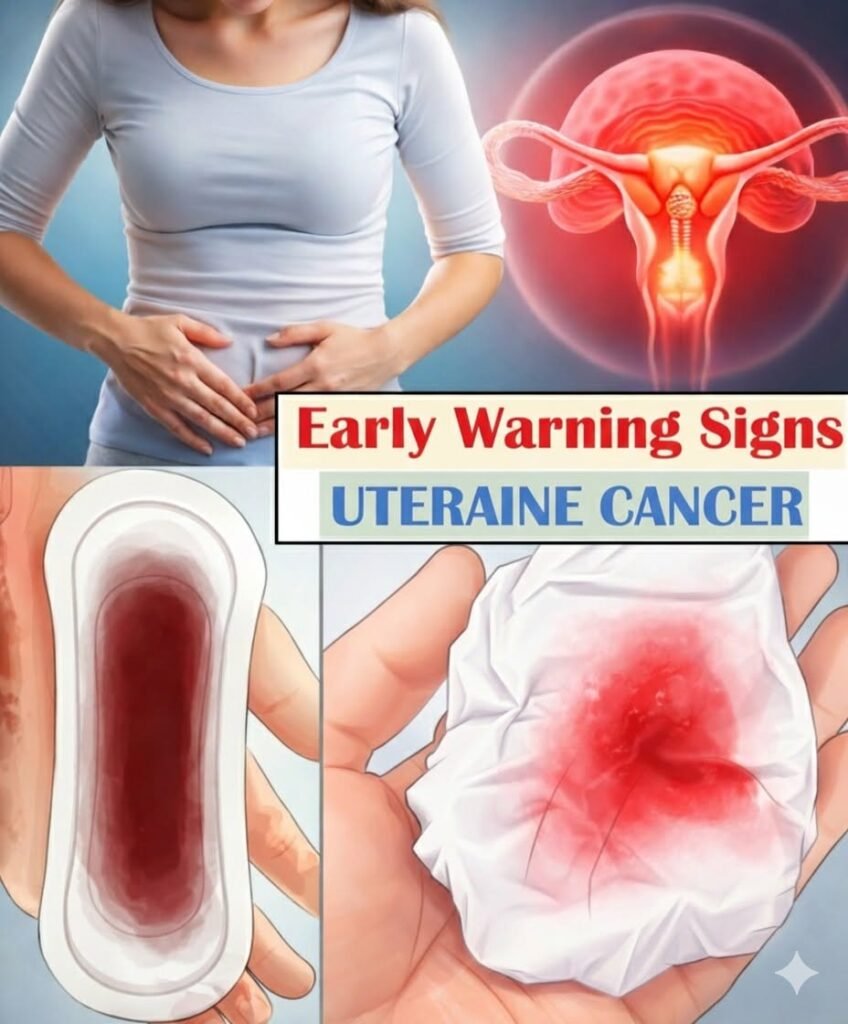
12 Warning Signs Your Uterus May Need Attention: What Every Woman Should Know
The uterus, also known as the womb, plays an important role in a woman’s reproductive health. It supports menstruation, pregnancy, and overall hormonal balance. Because many uterine problems develop gradually, some symptoms can be easy to ignore or blame on stress, busy schedules, or normal changes.
However, paying attention to unusual changes can help identify problems early and allow timely care. Conditions such as fibroids, endometriosis, infections, hormonal imbalances, and other uterine concerns often begin with symptoms that may seem small at first.
Here are 12 warning signs that your uterus may be asking for attention.
1. Unusually Heavy Periods
Heavy menstrual bleeding is one of the most common signs that something may need evaluation.
Pay attention if you:
- Need to change pads or tampons very frequently
- Soak through protection during the night
- Have periods lasting longer than 7 days
- Feel unusually tired during or after your period
Heavy bleeding can sometimes be linked to fibroids, hormonal changes, or other uterine conditions. Long-term blood loss may also contribute to low iron levels and fatigue.
2. Severe Menstrual Cramps
Some discomfort during periods is normal, but severe pain that interferes with daily activities should not be ignored.
Warning signs include:
- Pain that prevents normal activities
- Cramps that become worse over time
- Pain that does not improve with usual remedies
Severe menstrual pain can sometimes be associated with conditions such as endometriosis or other pelvic issues.
3. Irregular Menstrual Cycles
Every woman’s cycle can vary, but major changes in your usual pattern may deserve attention.
Examples include:
- Periods arriving much earlier or later than usual
- Cycles becoming unpredictable
- Suddenly missing periods without an obvious reason
Hormonal changes, thyroid problems, stress, and reproductive health conditions can all influence menstrual patterns.
4. Pelvic Pain Outside Your Period
Pain in the lower abdomen or pelvic area that continues even when you are not menstruating may be a sign that something needs evaluation.
Possible causes can include:
- Uterine growths
- Inflammation
- Endometriosis
- Pelvic infections
Persistent pain should be discussed with a healthcare professional.
5. Unusual Vaginal Discharge
Changes in vaginal discharge are sometimes normal, but certain changes may signal an infection or another concern.
Seek medical advice if discharge is:
- Unusual in color
- Strong-smelling
- Accompanied by itching, burning, or pelvic discomfort
6. Pain During Intimacy
Pain during sexual activity is not something you have to simply tolerate.
Possible causes include:
- Pelvic inflammation
- Endometriosis
- Fibroids
- Vaginal or cervical conditions
A healthcare provider can help identify the cause and discuss treatment options.
7. Lower Back or Leg Pain
Some uterine conditions can create pressure in the pelvic area, which may contribute to discomfort in nearby regions.
Pay attention to:
- Persistent lower back aching
- Pelvic pressure
- Pain that spreads toward the legs
8. Frequent Urination or Bowel Changes
The uterus is located near the bladder and bowel. When it becomes enlarged due to certain conditions, it may place pressure on nearby organs.
Possible signs include:
- Needing to urinate more often
- Difficulty emptying the bladder
- Constipation or changes in bowel habits
9. Ongoing Bloating or Lower Abdominal Swelling
Occasional bloating is common, but persistent swelling or a feeling of fullness in the lower abdomen should be evaluated.
Especially note changes that:
- Continue for weeks
- Are unrelated to food habits
- Come with pelvic discomfort or pressure
10. Unexplained Fatigue
Feeling constantly exhausted despite adequate rest can have many causes.
In some cases, fatigue may be related to:
- Heavy menstrual bleeding
- Low iron levels
- Ongoing health conditions
If tiredness continues, it is worth discussing with a healthcare provider.
11. Difficulty Becoming Pregnant
The uterus plays a major role in pregnancy. Certain uterine conditions may affect fertility.
If pregnancy has not occurred after trying for some time, a medical evaluation can help identify possible factors.
12. Bleeding After Menopause
Any vaginal bleeding after menopause should be checked by a healthcare professional.
Even light spotting deserves attention because it may sometimes be linked to conditions that require treatment.
Quick Checklist: Changes Worth Discussing With a Doctor
Consider seeking medical advice if you experience:
- Bleeding lasting more than a week
- Very heavy periods
- Severe cramps affecting daily life
- Persistent pelvic pain
- Pain during intimacy
- New bleeding after menopause
- Unusual discharge
- Sudden changes in your normal cycle
Simple Steps to Support Your Uterine Health
You can take an active role in monitoring your health by:
Track Your Menstrual Cycle
Use a calendar or app to record:
- Period dates
- Bleeding amount
- Pain levels
- Unusual symptoms
Maintain Healthy Habits
Support your overall health with:
- Balanced nutrition
- Regular physical activity
- Adequate sleep
- Stress management
Keep Regular Health Appointments
Routine checkups allow healthcare providers to identify concerns early and answer questions about changes you notice.
When to Seek Medical Advice
You do not need to wait until symptoms become severe. If something feels unusual, persistent, or different from your normal pattern, schedule a consultation.
A healthcare professional may recommend examinations, blood tests, imaging, or other evaluations depending on your symptoms.
Final Thoughts
Your body often gives signals when something changes. Heavy bleeding, unusual pain, cycle changes, or bleeding after menopause are symptoms worth paying attention to.
Understanding these warning signs does not mean assuming the worst — it means becoming more aware and taking action when needed.
Listening to your body and seeking professional guidance when something feels wrong is one of the best ways to protect your reproductive health.