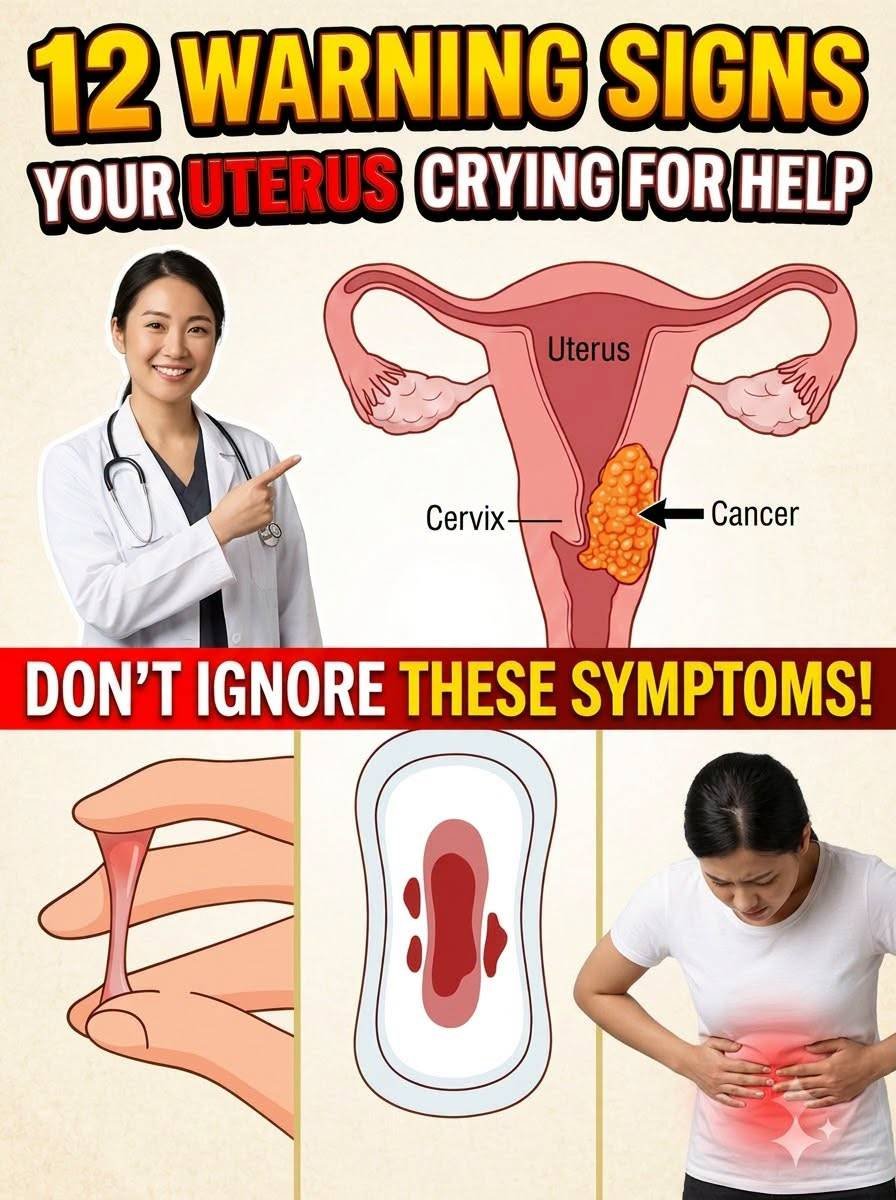
12 Warning Signs Your Uterus May Be Asking for Help – Symptoms Women Should Never Ignore
12 Warning Signs Your Uterus May Be Asking for Help – Symptoms Women Should Never Ignore
The uterus plays an essential role in the female reproductive system, but many women overlook changes in their menstrual cycles, pelvic discomfort, or unusual vaginal bleeding. Some symptoms may be related to normal hormonal fluctuations, while others can indicate conditions that deserve medical attention.
Understanding your body is an important part of protecting your reproductive health. Although not every unusual symptom signals a serious problem, persistent or unexplained changes should never be ignored.
In this article, we explore 12 warning signs that may be associated with uterine or other gynecological conditions, explain possible causes, and discuss when to seek medical advice.
Important: These symptoms do not automatically mean you have a uterine disease. Only a qualified healthcare professional can evaluate your symptoms and determine the underlying cause.
1. Unusually Heavy Menstrual Bleeding
Heavy menstrual bleeding is one of the most common symptoms associated with uterine conditions.
If your periods suddenly become much heavier than usual, last longer than seven days, or require you to change a pad or tampon every hour for several consecutive hours, it is worth seeking medical advice.
Possible causes include uterine fibroids, adenomyosis, hormonal imbalances, and certain bleeding disorders.
Heavy bleeding can also lead to iron-deficiency anemia, which may cause fatigue, weakness, dizziness, and shortness of breath.
What to do: Keep track of how long your periods last and how much bleeding occurs. Seek urgent medical care if bleeding is severe, particularly if you feel faint, experience chest pain, or have difficulty breathing.
2. Severe Menstrual Cramps
Mild cramps during menstruation are common. However, pain that interferes with work, sleep, exercise, or everyday activities deserves attention.
Severe menstrual pain may be associated with conditions such as endometriosis, adenomyosis, or uterine fibroids.
Some women experience worsening cramps over time, while others develop significant pain after years of relatively comfortable periods.
What to do: If menstrual pain is severe, persistent, or getting worse, arrange an appointment with a healthcare professional. Do not assume that disabling pain is simply something every woman must endure.
3. Bleeding Between Periods
Spotting between menstrual periods can occur for several reasons, including hormonal changes, contraception, infections, or pregnancy-related conditions.
However, repeated or unexplained bleeding between periods should be evaluated, especially if it is a new symptom.
In some cases, irregular bleeding may be associated with cervical abnormalities, uterine polyps, fibroids, or changes in the uterine lining.
What to do: Record when the bleeding occurs, how long it lasts, and whether you experience pain or other symptoms. If pregnancy is possible, consider taking a pregnancy test and seeking appropriate medical advice.
4. Bleeding After Sexual Intercourse
Bleeding after sex can be concerning, even when the amount of blood is small.
Possible causes include vaginal dryness, irritation, cervical inflammation, infections, cervical polyps, or changes in cervical tissue.
Although this symptom does not necessarily indicate a serious condition, recurrent bleeding after intercourse should not be ignored.
What to do: Arrange a medical assessment, particularly if the bleeding happens repeatedly or occurs alongside pelvic pain or unusual vaginal discharge.
Seek prompt medical advice if you are pregnant or could be pregnant and experience bleeding.
5. Persistent Pain in the Pelvic Area
Pelvic pain may feel like pressure, aching, sharp discomfort, or a constant feeling of heaviness in the lower abdomen.
Depending on its location and cause, it may be associated with uterine fibroids, adenomyosis, endometriosis, ovarian conditions, urinary tract problems, or digestive disorders.
Pain that lasts for weeks or repeatedly returns deserves attention, especially when it affects normal activities.
What to do: A healthcare professional can help determine whether the pain originates from the uterus or another nearby organ. Sudden, severe pelvic pain requires urgent evaluation, particularly when accompanied by fever, vomiting, fainting, or possible pregnancy.
6. Unusual Vaginal Discharge
Vaginal discharge naturally changes throughout the menstrual cycle. Clear or white discharge without a strong odor is often normal.
However, discharge that develops a strong unpleasant smell, becomes yellow or green, or occurs with itching, burning, pelvic pain, or fever may indicate an infection.
Some infections affect the vagina or cervix and can spread to the upper reproductive tract if left untreated.
What to do: Seek medical advice if your discharge changes significantly or is accompanied by other symptoms. Avoid using vaginal douches or inserting unverified herbal mixtures, as these may cause irritation or disrupt the normal vaginal environment.
7. Pain During Sexual Intercourse
Pain during sex can have several possible causes, including vaginal dryness, pelvic floor muscle tension, endometriosis, pelvic infections, or other gynecological conditions.
Deep pain inside the pelvis may sometimes be associated with uterine or surrounding reproductive organ disorders.
Pain should not be dismissed as an inevitable part of being a woman.
What to do: Talk with a healthcare professional if pain is persistent, recurrent, or affecting your quality of life. The appropriate treatment depends on the underlying cause.
8. A Feeling of Pressure or Fullness in the Lower Abdomen
Some women notice persistent pressure, heaviness, or fullness in the lower abdomen.
Large uterine fibroids may cause these sensations because they can increase the size of the uterus and press against nearby organs.
Other possible explanations include constipation, bladder conditions, ovarian cysts, or digestive problems.
What to do: If the feeling persists, becomes more noticeable, or occurs with abdominal enlargement, frequent urination, or pelvic pain, arrange a medical evaluation.
9. Frequent Urination or Difficulty Emptying the Bladder
Needing to urinate more frequently than usual may sometimes be associated with an enlarged uterus or large fibroids pressing against the bladder.
However, urinary tract infections, diabetes, overactive bladder, and increased fluid intake can also cause frequent urination.
Difficulty emptying the bladder or a persistent sensation that urine remains after urination should be evaluated.
What to do: Seek medical advice if urinary changes are new or persistent. If you cannot urinate despite having a full bladder, seek urgent medical care.
10. Changes in Your Menstrual Cycle
A menstrual cycle can vary from month to month, but a significant or persistent change in your usual pattern deserves attention.
Examples include periods becoming unusually irregular, much shorter or longer than normal, or disappearing without an expected explanation.
Potential causes include stress, changes in body weight, thyroid disorders, polycystic ovary syndrome, perimenopause, pregnancy, and other hormonal conditions.
Some uterine disorders can also contribute to irregular bleeding.
What to do: Track your cycle and note any associated symptoms. If you miss a period and pregnancy is possible, take a pregnancy test. Seek medical advice for persistent changes or periods that stop unexpectedly.
11. Unexplained Fatigue, Weakness, or Dizziness
Feeling tired occasionally is common, but persistent fatigue combined with heavy menstrual bleeding may indicate iron deficiency or anemia.
When the body loses too much blood, it may not have enough healthy red blood cells to transport oxygen efficiently.
Possible symptoms include weakness, headaches, dizziness, pale skin, a racing heartbeat, and shortness of breath.
The underlying reason for heavy bleeding may be related to fibroids, hormonal changes, or another gynecological condition.
What to do: Ask a healthcare professional whether blood tests, including a complete blood count and iron studies, are appropriate. Do not assume that fatigue is caused by a uterine problem without an evaluation.
12. Vaginal Bleeding After Menopause
Any vaginal bleeding after menopause should be medically evaluated, even if it consists of only a small amount of pink discharge or spotting.
Possible causes include thinning of the vaginal or uterine lining, polyps, and other gynecological conditions. In some cases, bleeding may be an early sign of endometrial cancer.
Although many causes are not cancerous, it is important not to ignore this symptom.
What to do: Contact a healthcare professional promptly. Do not wait for the bleeding to happen again before seeking advice.
What Conditions Can Cause These Warning Signs?
Several conditions may affect the uterus or other parts of the reproductive system.
Uterine Fibroids
Fibroids are noncancerous growths in or around the uterus. Depending on their size and location, they may cause heavy periods, pelvic pressure, frequent urination, or reproductive difficulties.
Some women with fibroids have no symptoms at all.
Adenomyosis
Adenomyosis occurs when tissue similar to the lining of the uterus grows within the muscular wall of the uterus. It may cause painful periods, heavy bleeding, and pelvic discomfort.
Endometriosis
Endometriosis occurs when tissue similar to the uterine lining grows outside the uterus. It can cause severe menstrual pain, chronic pelvic pain, and pain during sex.
Although endometriosis involves tissue similar to the uterine lining, it is a distinct condition and is not the same as a disease confined to the uterus.
Uterine Polyps
Uterine polyps are growths that develop from the inner lining of the uterus. They may cause irregular bleeding, spotting between periods, or bleeding after menopause.
Endometrial Hyperplasia
Endometrial hyperplasia occurs when the uterine lining becomes unusually thick because of changes in cell growth, often associated with hormonal factors. Certain types can increase the risk of developing endometrial cancer.
Endometrial or Cervical Cancer
Abnormal vaginal bleeding, particularly after menopause, can sometimes be associated with cancer of the uterine lining or cervix. These symptoms are not specific to cancer, but they require appropriate evaluation.
How Can Women Support Their Reproductive Health?
There is no single food, drink, supplement, or home remedy that can prevent or cure every uterine condition. However, several practical steps can help you look after your general health.
1. Track your menstrual cycle. Record the start and end dates of your periods, bleeding intensity, pain, and any unusual symptoms.
2. Attend recommended gynecological appointments. Discuss the appropriate schedule for cervical cancer screening and other preventive care based on your age, medical history, and local guidelines.
3. Eat a balanced diet. Include vegetables, fruits, whole grains, legumes, healthy fats, and adequate sources of protein. Iron-rich foods may be particularly important for women who experience heavy menstrual bleeding.
4. Maintain regular physical activity. Exercise can support cardiovascular health, metabolic health, sleep, and overall well-being. It should not be considered a substitute for medical treatment when symptoms are present.
5. Avoid smoking. Smoking increases the risk of several cancers and can negatively affect overall reproductive health.
6. Do not self-medicate for persistent symptoms. Herbal drinks, detox products, and supplements have not been shown to cure uterine fibroids, endometriosis, or uterine cancer. Some products may interact with medications or cause harm.
7. Seek medical advice when symptoms change. Persistent pain, unusual bleeding, or unexplained changes in your menstrual cycle deserve attention rather than guesswork.
When Should You Seek Medical Care Immediately?
Some symptoms require urgent assessment rather than a routine appointment.
Seek urgent medical care if you experience:
- Very heavy vaginal bleeding accompanied by dizziness, fainting, or marked weakness.
- Sudden, severe pelvic or abdominal pain.
- Pelvic pain accompanied by fever, vomiting, or feeling seriously unwell.
- Possible pregnancy with severe abdominal pain, shoulder pain, fainting, or vaginal bleeding, as these can be warning signs of an ectopic pregnancy.
- Inability to urinate despite a strong need to do so.
If you are experiencing bleeding after menopause, arrange a prompt medical evaluation even if the bleeding is light.
Frequently Asked Questions
Can uterine problems occur without obvious symptoms?
Yes. Some women with uterine fibroids, polyps, or other gynecological conditions may experience few or no symptoms. Regular preventive care and appropriate screening can help identify certain problems.
Does heavy menstrual bleeding always mean something is wrong with the uterus?
No. Heavy bleeding can be associated with hormonal changes, medications, bleeding disorders, or other medical conditions. However, persistent or unusually heavy bleeding should be assessed to identify its cause.
Can lifestyle changes cure uterine fibroids or endometriosis?
There is no reliable evidence that a particular diet, juice, or herbal remedy can cure these conditions. Healthy habits may support general well-being, but treatment should be based on an appropriate medical evaluation.
Do all women need a pelvic ultrasound?
No. A pelvic ultrasound may be useful when symptoms suggest a uterine or ovarian condition, but it is not necessary for every woman. A healthcare professional can determine which tests are appropriate.
Is bleeding after menopause normal?
Bleeding after menopause is not considered normal and should always be evaluated. Although the cause may be benign, medical assessment is necessary to rule out serious conditions.
Final Thoughts
Your menstrual cycle, pelvic comfort, and vaginal health can provide useful information about your reproductive well-being. Heavy bleeding, severe cramps, persistent pelvic pain, unusual discharge, and bleeding after menopause are among the symptoms that deserve attention.
However, experiencing one or more of these symptoms does not automatically mean that your uterus is damaged or that you have a serious disease.
The most important step is to listen to your body, recognize persistent changes, and seek professional medical advice when something does not feel right. Early evaluation can help identify the cause of your symptoms and guide you toward appropriate treatment.
Medical disclaimer: This article is for educational purposes only and does not replace professional medical advice, diagnosis, or treatment. Always consult a qualified healthcare professional about persistent, unusual, or concerning symptoms.