
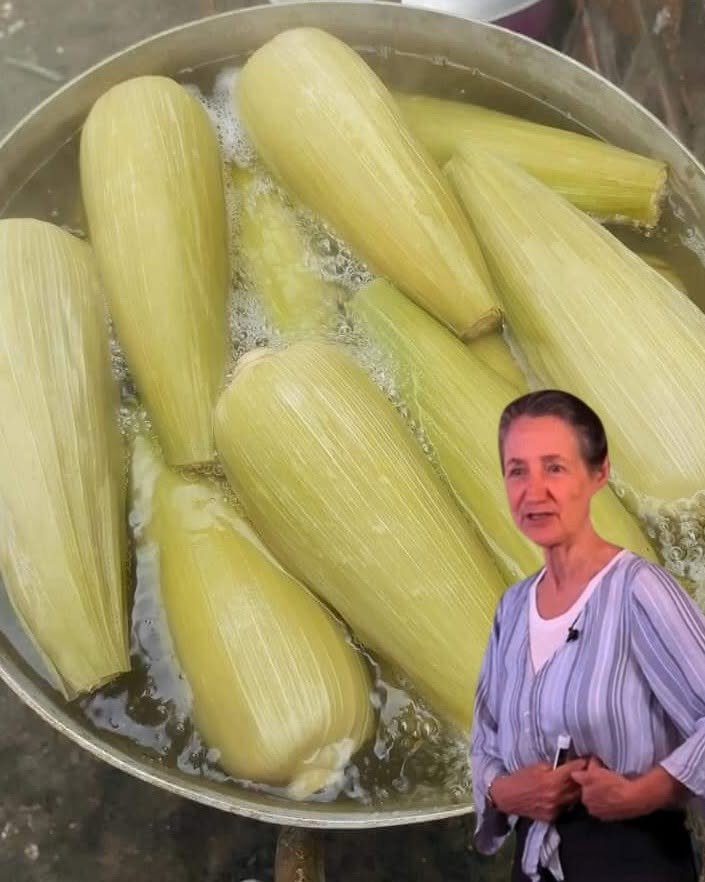
12 Reasons People Love Boiled Corn
Boiled corn on the cob is a simple, affordable, and satisfying food enjoyed around the world. Naturally sweet and easy to prepare, it makes a delicious snack or side dish while providing important nutrients.
Nutrition in Boiled Corn
One medium ear of sweet corn typically contains:
- Calories: About 90–100
- Carbohydrates: A good source of complex carbohydrates
- Fiber: Helps support healthy digestion
- Vitamins: B vitamins and vitamin C
- Minerals: Potassium and magnesium
- Antioxidants: Lutein and zeaxanthin, which help support eye health
Nutrition values vary depending on the size and variety of the corn. Corn is considered a starchy vegetable and should be enjoyed in appropriate portions as part of a balanced diet.
12 Reasons Boiled Corn Is a Great Addition to Your Diet
1. Good Source of Fiber
Corn provides dietary fiber, which supports healthy digestion and helps you feel full longer.
2. Naturally Gluten-Free
Boiled corn is naturally gluten-free, making it a suitable choice for people with gluten intolerance or celiac disease.
3. Provides Steady Energy
Its complex carbohydrates provide a steady source of energy for daily activities.
4. Rich in Antioxidants
Corn contains lutein and zeaxanthin, antioxidants that contribute to maintaining healthy vision as part of an overall healthy diet.
5. Budget-Friendly
Fresh, frozen, and canned corn are generally affordable and widely available.
6. Easy to Prepare
Boiled corn requires minimal preparation and cooks in about 8–10 minutes without the need for added oil.
7. Versatile and Delicious
Enjoy it plain or enhance the flavor with a squeeze of lemon or lime, herbs, chili powder, or add the kernels to salads, soups, and grain bowls.
8. Hydrating
Corn has a relatively high water content, contributing modestly to your daily fluid intake.
9. Plant-Based
Boiled corn fits well into vegetarian and vegan eating patterns.
10. Family-Friendly
Its naturally sweet flavor makes it a favorite among both children and adults.
11. Supports Gut Health
The fiber in corn helps nourish beneficial bacteria in the digestive system.
12. Naturally Low in Fat
Plain boiled corn is naturally low in fat. Keep toppings light if you’re watching your calorie intake.
How to Boil Corn Perfectly
- Remove the husks or leave them on—either method works.
- Bring a large pot of water to a boil.
- Add the corn and cook for 8–10 minutes, or until tender.
- Drain and serve with optional toppings such as lemon juice, fresh herbs, black pepper, or a small amount of butter.
Tip: Avoid adding salt to the boiling water if you prefer softer kernels.
Tips for a Balanced Diet
- Portion size: One medium ear equals about one serving of starchy vegetables.
- Pair it with protein: Enjoy corn with beans, eggs, fish, chicken, tofu, or yogurt for a more balanced meal.
- Watch the toppings: Butter, mayonnaise, and creamy sauces can significantly increase calories and saturated fat.
- If you have diabetes: Corn contains carbohydrates that can raise blood sugar. Portion size matters, so follow your healthcare provider’s recommendations.
Safety Notes
- Chew thoroughly to reduce the risk of choking.
- Some people may experience bloating or gas if they eat large amounts of corn.
- Choose fresh corn when possible, or select frozen or low-sodium canned varieties.
Final Thoughts
Boiled corn is a tasty, filling, and nutritious whole food that offers fiber, vitamins, minerals, and antioxidants. Whether enjoyed as a snack or a side dish, it can be a healthy addition to a varied, balanced diet when eaten in appropriate portions.
If you’d like, I can also adapt this into a blog post, social media carousel, or YouTube script.