12 Foods That May Harm Your Kidneys: What You Should Avoid for Better Kidney Health
12 Foods That May Harm Your Kidneys: What You Should Avoid for Better Kidney Health
Introduction
Your kidneys play an essential role in keeping your body healthy. They filter waste products from your blood, balance fluids and minerals, help regulate blood pressure, and support the production of red blood cells.
However, certain dietary habits can increase the risk of health problems that affect the kidneys. Eating too much salt, consuming excessive amounts of processed foods, and drinking sugary beverages regularly may contribute to high blood pressure, diabetes, and other conditions associated with kidney damage.
If you want to protect your kidneys, understanding which foods to limit is an important first step.
In this article, we will discuss 12 foods that may affect kidney health, explain why some people need to limit them, and share practical tips for maintaining healthy kidney function.
1. Foods High in Salt
Excess sodium is one of the most important dietary concerns for kidney health. Eating too much salt can increase blood pressure and cause the body to retain extra fluid. Over time, uncontrolled high blood pressure can damage the small blood vessels in the kidneys.
Common high-sodium foods include:
- Potato chips and salty snacks
- Pickles and heavily salted foods
- Instant noodles
- Processed and packaged meals
- Canned soups with added salt
Healthier choice: Use herbs, spices, garlic, lemon juice, and other salt-free seasonings to add flavor to your meals. Check food labels for sodium content and choose lower-sodium products.
2. Processed Meats
Processed meats such as sausages, bacon, salami, and hot dogs often contain large amounts of sodium and may include phosphate additives.
Frequent consumption of these foods can make it more difficult to maintain a healthy blood pressure and balanced diet.
Healthier choice: Choose fresh chicken, fish, beans, lentils, or other suitable protein sources more often. If you eat processed meat, keep portions moderate and compare sodium levels on product labels.
3. Sugary Drinks and Soft Drinks
Regularly drinking sugary beverages can contribute to weight gain, insulin resistance, and type 2 diabetes. Diabetes is one of the leading causes of chronic kidney disease.
Some cola drinks also contain phosphate additives, which may be a concern for people whose kidneys cannot remove excess phosphorus effectively.
Examples include:
- Sugary sodas
- Sweetened energy drinks
- Packaged fruit drinks with added sugar
- Sweetened iced tea
Healthier choice: Water is generally a good everyday beverage. Unsweetened tea can also be an option, depending on your individual health needs.
4. Fast Food and Deep-Fried Foods
Burgers, fried chicken, french fries, and other fast foods can contain high levels of sodium, calories, and unhealthy fats.
Eating these foods frequently may contribute to obesity, high blood pressure, and diabetes, all of which can increase the risk of kidney disease.
Healthier choice: Prepare more meals at home using fresh ingredients. Try baking, grilling, steaming, or roasting foods instead of deep-frying them.
5. Instant Noodles and Packaged Meals
Instant noodles are convenient and inexpensive, but their seasoning packets can contain substantial amounts of sodium. Some packaged meals also contain phosphate additives.
Eating these foods frequently may make it harder to control blood pressure and maintain a balanced diet.
Healthier choice: Use only part of the seasoning packet, select lower-sodium varieties, and add fresh vegetables and an appropriate protein source.
6. Foods With Phosphate Additives
Phosphorus is a mineral that helps maintain healthy bones and teeth. Healthy kidneys remove excess phosphorus from the blood. When kidney function declines, phosphorus may accumulate in the body.
High phosphorus levels can contribute to bone and mineral disorders in people with advanced chronic kidney disease.
Foods that may contain phosphate additives include:
- Processed meats
- Packaged baked goods
- Some processed cheeses
- Certain ready-to-eat meals
- Some dark-colored soft drinks
Healthier choice: Read ingredient lists and look for terms containing “phosphate.” If you have chronic kidney disease, ask your healthcare professional whether you need to limit phosphorus.
It is important to remember that not everyone with healthy kidneys needs to restrict phosphorus-containing foods.
7. Excessive Amounts of Red Meat
Red meat provides protein, iron, and other important nutrients. However, regularly eating very large portions may not be ideal for everyone, particularly people with existing kidney disease who need to manage their protein intake.
People with chronic kidney disease may benefit from an individualized eating plan that provides enough protein without unnecessarily excessive amounts.
Healthier choice: Include a variety of protein sources, such as fish, eggs, poultry, beans, and lentils, according to your nutritional needs and medical advice.
You do not need to eliminate red meat completely simply to protect healthy kidneys.
8. Potatoes and Other High-Potassium Foods
Potatoes are nutritious and provide fiber, vitamins, and minerals. They are not inherently harmful to the kidneys.
However, people with advanced kidney disease or elevated blood potassium may need to monitor their intake of potassium-rich foods.
Other foods that contain significant amounts of potassium include:
- Bananas
- Tomatoes
- Oranges
- Avocados
- Certain dried fruits
High potassium levels can be dangerous because they may interfere with the normal electrical activity of the heart.
Healthier choice: If your blood potassium is high, ask your healthcare professional or renal dietitian which foods and portions are appropriate for you. Some people with kidney disease can safely eat many of these foods.
Do not restrict potassium unnecessarily without appropriate medical guidance.
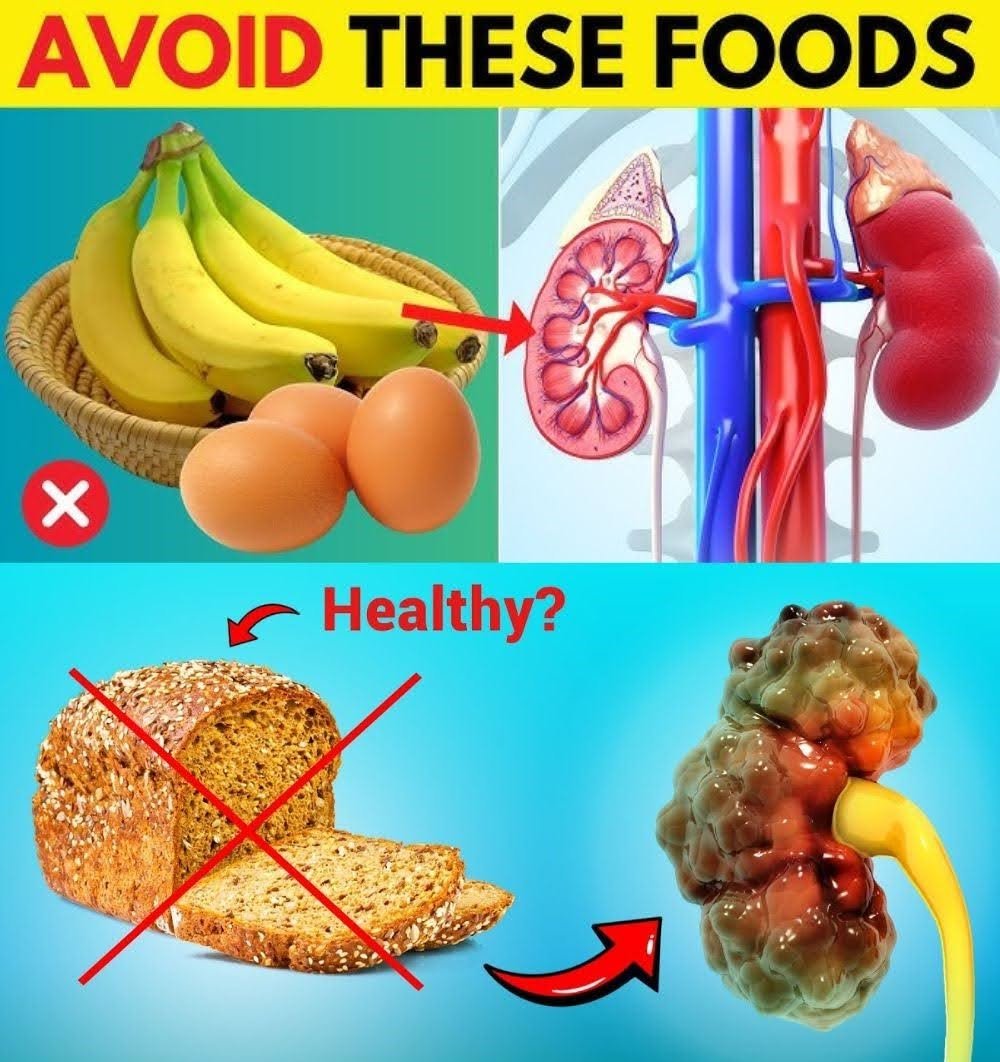
9. Bananas
Bananas are a good source of potassium, vitamin B6, and dietary fiber. For most healthy people, they can be part of a balanced diet.
The concern is mainly for people whose kidneys cannot remove potassium effectively or who have been advised to follow a potassium-restricted diet.
Eating bananas does not automatically damage healthy kidneys.
Healthier choice: Enjoy bananas in moderation if they fit your dietary needs. If you have chronic kidney disease, follow recommendations based on your blood potassium level and kidney function.
10. Excessive Dairy Products
Milk, cheese, and yogurt provide protein, calcium, and other nutrients. However, they can also contain phosphorus and potassium.
People with advanced kidney disease may need to adjust their dairy intake if their blood phosphorus or potassium levels are elevated.
Healthier choice: Choose appropriate portions based on your nutritional requirements. If you have kidney disease, consult a renal dietitian before significantly reducing dairy products, because you still need adequate nutrition and calcium.
11. Whole-Grain Bread and High-Fiber Foods
Whole-grain bread is often a healthy choice because it contains fiber and nutrients that support digestive and cardiovascular health.
Some whole-grain foods contain more potassium and phosphorus than refined alternatives. However, much of the phosphorus in plant foods is naturally bound to phytate and is less readily absorbed than phosphorus from certain additives.
For this reason, whole-grain bread should not automatically be considered harmful to the kidneys.
Healthier choice: Most people can enjoy whole grains as part of a balanced diet. People with advanced kidney disease may need individualized guidance about portions and mineral intake.
12. Excessive Protein Supplements
Protein is essential for maintaining muscles, repairing tissues, and supporting normal body functions. However, very high protein intake, especially from unnecessary supplements, may be unsuitable for some people with kidney disease.
Protein powders and bodybuilding supplements can also contain added minerals, stimulants, or other ingredients that may not be appropriate for everyone.
Healthier choice: Obtain protein from a balanced diet whenever possible. If you have kidney disease or are considering high-protein supplements, discuss your needs with a healthcare professional.
Healthy individuals do not necessarily need to avoid all protein supplements, but excessive intake should be avoided.
Foods You Do Not Necessarily Need to Avoid
Many online articles suggest that bananas, eggs, whole-grain bread, tomatoes, and other nutritious foods are dangerous for the kidneys. These claims are often misleading.
Whether a food needs to be limited depends on your kidney function, blood test results, medications, and overall nutritional needs.
For example:
- Eggs: Can provide high-quality protein and can fit into many kidney-friendly eating plans.
- Bananas: Are generally safe for people with healthy kidney function.
- Whole grains: Provide fiber and may support cardiovascular health.
- Tomatoes: Are nutritious but may need portion adjustments for people with high blood potassium.
- Milk and yogurt: Can provide valuable nutrients, although some people with advanced kidney disease need to monitor phosphorus and potassium.
The goal is not to eliminate healthy foods unnecessarily. It is to create a balanced diet that matches your individual health needs.
7 Practical Tips to Keep Your Kidneys Healthy
Along with choosing appropriate foods, several everyday habits can help reduce your risk of kidney disease.
1. Control Your Blood Pressure
High blood pressure can damage the blood vessels inside your kidneys. Monitor your blood pressure regularly and follow your treatment plan if you have hypertension.
2. Manage Your Blood Sugar
Diabetes is a major risk factor for chronic kidney disease. If you have diabetes, controlling your blood sugar can help protect your kidneys.
3. Reduce Excess Salt
Limit heavily salted foods and check nutrition labels when buying packaged products.
4. Maintain a Healthy Weight
Regular physical activity and balanced meals can help reduce the risk of obesity, diabetes, and high blood pressure.
5. Be Careful With Painkillers
Frequent or excessive use of nonsteroidal anti-inflammatory drugs (NSAIDs), such as ibuprofen and diclofenac, can harm kidney function in some people, especially those with existing kidney disease, dehydration, or certain other medical conditions. Ask a healthcare professional which pain relievers are appropriate for you.
6. Avoid Unverified Supplements
Some herbal remedies, bodybuilding products, and supplements may contain harmful ingredients or interact with medicines. Choose products carefully and seek professional advice before using them.
7. Get Your Kidneys Checked When Needed
People with diabetes, high blood pressure, cardiovascular disease, or a family history of kidney disease may benefit from kidney screening.
Common tests include a blood test measuring estimated glomerular filtration rate (eGFR) and a urine test for albumin.
Early detection can help prevent or slow the progression of kidney disease.
Frequently Asked Questions
Which foods are worst for kidney health?
Foods that are consistently high in sodium, particularly processed meats, heavily salted snacks, and certain packaged meals, can make blood pressure control more difficult. Excessive consumption of sugary drinks may also increase the risk of diabetes and related kidney complications.
People with existing kidney disease may need additional restrictions based on their blood tests.
Are bananas bad for your kidneys?
No. Bananas are generally safe for healthy kidneys. People with chronic kidney disease or elevated blood potassium may need to limit them, depending on medical advice.
Are eggs harmful to the kidneys?
Eggs are not inherently harmful to healthy kidneys. They provide high-quality protein and can fit into many balanced diets. People with kidney disease should follow individualized protein recommendations.
Is whole-wheat bread bad for kidney patients?
Not necessarily. Whole-wheat bread provides fiber and other nutrients. Some people with advanced kidney disease may need to monitor potassium and phosphorus intake, but whole-wheat bread is not automatically prohibited.
Can drinking more water clean your kidneys?
Your kidneys already filter waste from the blood. Drinking enough water helps prevent dehydration, but excessive water intake does not flush out kidney disease or repair damaged kidneys. People with advanced kidney disease or heart failure may need fluid restrictions.
What are the early signs of kidney disease?
Early chronic kidney disease often has no noticeable symptoms. When symptoms occur, they may include swelling in the legs or feet, changes in urination, fatigue, nausea, or loss of appetite. These symptoms can have other causes, so testing is important.
How can I tell whether my kidneys are healthy?
Blood pressure measurements, blood tests for eGFR, and urine tests for albumin can help assess kidney health. A healthcare professional can determine which tests are appropriate based on your medical history and risk factors.
Conclusion
Protecting your kidneys starts with healthy everyday habits. Limiting excess salt, reducing highly processed foods, avoiding excessive sugary drinks, maintaining a healthy weight, and managing blood pressure and blood sugar can all help reduce the risk of kidney disease.
However, there is no single list of foods that every person must avoid. Bananas, eggs, potatoes, dairy products, and whole-grain bread can all be part of a healthy diet for many people.
If you already have chronic kidney disease, your nutritional needs may be different. Work with a healthcare professional or renal dietitian to develop an eating plan based on your kidney function and blood test results.
Disclaimer: This article is for educational purposes only and is not a substitute for professional medical advice, diagnosis, or treatment. Consult a qualified healthcare professional before making major dietary changes, particularly if you have kidney disease or abnormal blood potassium levels.