11 Early Warning Signs of Liver Cancer You Should Never Ignore
11 Early Warning Signs of Liver Cancer You Should Never Ignore
Liver cancer can develop silently, and many people may not notice obvious symptoms during its early stages. Some signs can be subtle and easily mistaken for common digestive problems, fatigue, or other everyday health issues.
Although these symptoms do not necessarily mean someone has liver cancer, recognizing unusual changes in the body and seeking medical advice when needed can help ensure timely diagnosis and treatment.
1. Yellowing of the Eyes or Skin
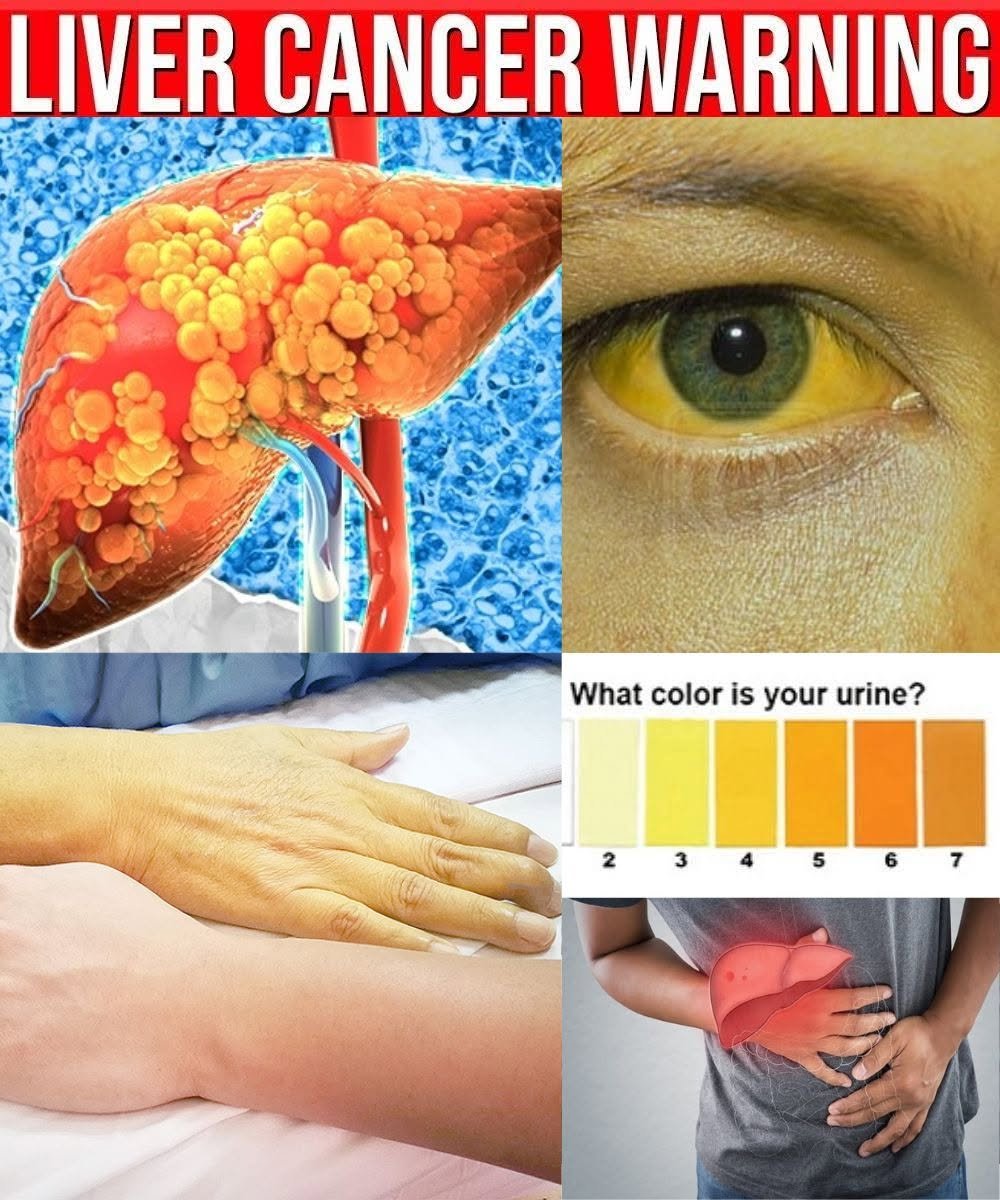
One of the most noticeable warning signs of liver-related problems is jaundice, which causes the skin and the whites of the eyes to turn yellow. It occurs when bilirubin builds up in the bloodstream.
Jaundice can result from several conditions, including liver disease, bile duct obstruction, and other medical problems. Unexplained yellowing of the eyes or skin should always be medically evaluated.
2. Persistent Pain in the Upper Right Abdomen
The liver is located in the upper-right part of the abdomen, beneath the rib cage. Some people with liver cancer may experience persistent discomfort, pressure, or pain in this area.
Pain can also be caused by gallbladder problems, digestive conditions, muscle strain, or other illnesses. Persistent or worsening abdominal pain deserves attention.
3. Unexplained Swelling of the Abdomen
An enlarged abdomen may sometimes result from fluid accumulation, known as ascites. Liver disease can interfere with normal fluid balance, leading to swelling around the abdominal area.
If your abdomen becomes unusually swollen without a clear explanation, especially alongside other symptoms, seek medical evaluation.
4. Unintentional Weight Loss
Losing weight without changing your diet or exercise routine can sometimes be a warning sign of an underlying health condition.
Cancer can affect appetite, metabolism, and the body’s ability to use nutrients. Persistent unexplained weight loss should not be ignored.
5. Loss of Appetite
A noticeable reduction in appetite or feeling full after eating only a small amount of food can occur in people with liver disease and other serious conditions.
If appetite loss continues for several days or is accompanied by weight loss, nausea, or abdominal discomfort, consider getting checked.
6. Persistent Fatigue and Weakness
Feeling unusually tired, exhausted, or physically weak despite adequate rest can occur with liver disease.
Fatigue is a very common symptom with many possible causes, including anemia, sleep problems, infections, nutritional deficiencies, and other medical conditions. Persistent fatigue that interferes with daily activities deserves medical attention.
7. Nausea and Vomiting
Ongoing nausea, vomiting, or digestive discomfort may sometimes occur when the liver is affected by disease.
These symptoms are nonspecific and are more commonly associated with many other conditions. However, persistent vomiting or nausea accompanied by abdominal pain, jaundice, or unexplained weight loss should be evaluated.
8. Dark Urine
Urine that becomes unusually dark, particularly when accompanied by yellowing of the eyes or pale stools, may indicate elevated bilirubin levels.
Dark urine can also result from dehydration, medications, or other causes. If the color change persists despite adequate hydration or occurs alongside other symptoms, seek medical advice.
9. Pale or Clay-Colored Stools
Stools that repeatedly appear unusually pale, gray, or clay-colored may indicate that bile is not reaching the intestines normally.
This can occur because of problems affecting the liver, gallbladder, or bile ducts. Persistent pale stools, especially with jaundice or dark urine, should be evaluated promptly.
10. Itchy Skin Without an Obvious Cause
Persistent itching across the body without a visible rash may sometimes be associated with liver or bile flow disorders.
Although dry skin, allergies, and other conditions are common causes, unexplained widespread itching that continues or occurs with jaundice should not be overlooked.
11. Easy Bruising or Unusual Bleeding
The liver produces many proteins involved in blood clotting. When liver function becomes significantly impaired, some people may develop easier bruising, frequent nosebleeds, or prolonged bleeding.
These symptoms can have many causes, including medication effects and blood disorders, but unexplained bleeding should be checked by a healthcare professional.
Who Is at Higher Risk of Liver Cancer?
Some factors can increase the risk of developing liver cancer, including:
- Chronic hepatitis B or hepatitis C infection
- Cirrhosis or advanced liver scarring
- Long-term heavy alcohol consumption
- Metabolic dysfunction-associated fatty liver disease
- Certain inherited liver conditions
- Diabetes and some metabolic risk factors
People at higher risk may benefit from regular medical monitoring and liver cancer surveillance, depending on their medical history and their healthcare professional’s recommendations.
When Should You Seek Medical Attention?
Make an appointment with a healthcare professional if you experience persistent unexplained weight loss, ongoing upper abdominal pain, appetite loss, unusual abdominal swelling, or changes in urine or stool color.
Seek urgent medical attention if you develop yellowing of the eyes or skin, confusion, severe abdominal pain, vomiting blood, or black, tarry stools.
Can Liver Cancer Be Prevented?
Not every case of liver cancer can be prevented, but certain steps may reduce risk:
- Get vaccinated against hepatitis B if eligible.
- Seek testing and treatment for hepatitis B and hepatitis C.
- Limit or avoid alcohol.
- Maintain a healthy weight and stay physically active.
- Manage diabetes and other metabolic conditions.
- Avoid unregulated supplements or medications that may damage the liver.
- Follow recommended screening and monitoring if you have chronic liver disease or other risk factors.
Final Thoughts
Liver cancer may not always cause noticeable symptoms in its early stages, which is why understanding risk factors and recognizing persistent changes is important.
Yellow eyes, unexplained weight loss, abdominal swelling, dark urine, appetite loss, and ongoing fatigue can have many causes—but they should not be ignored when they persist or occur together.
Paying attention to your health, seeking medical advice when necessary, and following recommended screening guidelines can make a meaningful difference. Early evaluation is always better than waiting for symptoms to become severe.