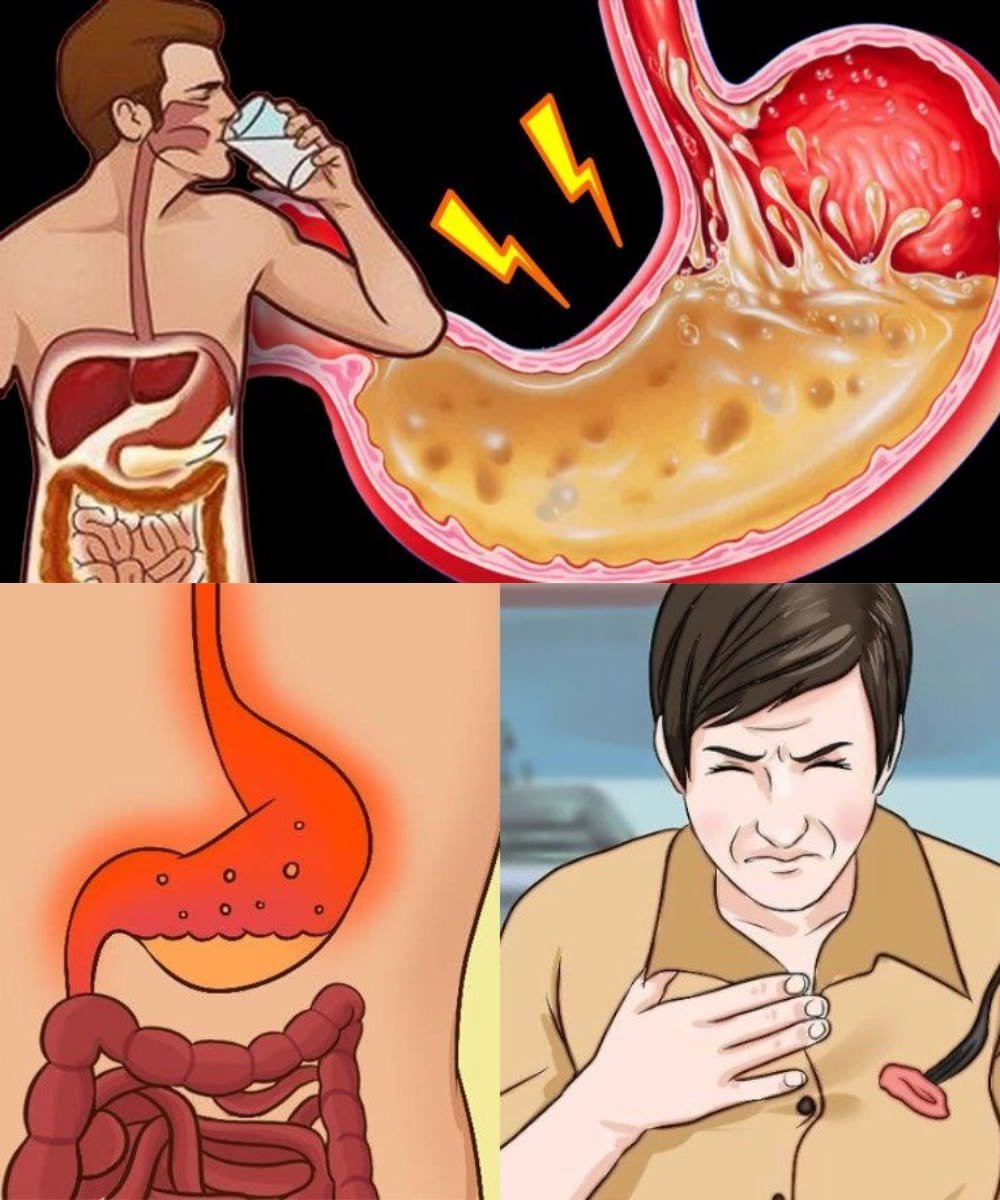
🍔 10 Eating Habits That Can Harm Your Stomach and Intestines
Your digestive system does much more than process food. It helps absorb nutrients, supports your immune system, and contributes to your overall well-being. However, certain everyday eating habits can put unnecessary stress on your stomach and intestines, leading to symptoms like bloating, heartburn, constipation, or indigestion.
The good news is that small changes to your daily routine can make a big difference. Here are 10 common eating habits that may affect your digestive health—and what you can do instead.
1. 🍽️ Overeating at One Meal
Eating very large meals can stretch the stomach and slow the digestive process. This may increase the risk of:
- Bloating
- Indigestion
- Acid reflux
- Feeling overly full
Healthier Habit
Choose balanced portions and stop eating when you feel comfortably satisfied rather than overly full.
2. ⏩ Eating Too Quickly
When you rush through meals, you tend to swallow more air and chew food less thoroughly. This can make digestion more difficult and contribute to gas or bloating.
Healthier Habit
- Eat slowly.
- Chew each bite well.
- Put your fork down between bites if needed.
Mindful eating also gives your brain time to recognize when you’re full.
3. 🚫 Skipping Meals Regularly
Frequently skipping meals may leave you feeling overly hungry later, making overeating more likely. For some people, irregular eating patterns can also worsen symptoms such as heartburn or indigestion.
Healthier Habit
Aim for consistent meal times that fit your schedule and nutritional needs.
4. 🍟 Eating Too Many Ultra-Processed Foods
Highly processed foods are often high in:
- Added sugars
- Sodium
- Saturated fat
- Refined carbohydrates
Diets high in ultra-processed foods have been associated with poorer overall health and may contribute to digestive discomfort in some people.
Healthier Habit
Choose more whole foods such as:
- Fresh fruit
- Vegetables
- Whole grains
- Beans
- Nuts
- Seeds
- Lean proteins
5. ☕ Too Much Coffee or Alcohol
Coffee and alcohol can trigger digestive symptoms in some individuals, including heartburn or stomach irritation. Their effects vary from person to person.
Healthier Habit
If you notice symptoms after drinking coffee or alcohol:
- Reduce your intake.
- Avoid drinking on an empty stomach.
- Stay hydrated with water.
6. 🌙 Eating Heavy Meals Right Before Bed
Lying down soon after eating may increase the chance of acid reflux because stomach contents can more easily move back into the esophagus.
Healthier Habit
Try to finish your evening meal 2–3 hours before bedtime whenever possible.
7. 🌾 Not Eating Enough Fiber
Fiber supports healthy digestion by helping food move through the digestive tract and promoting regular bowel movements.
Good sources include:
- Oats
- Whole grains
- Apples
- Berries
- Beans
- Lentils
- Broccoli
- Leafy greens
Increase fiber gradually and drink enough fluids to help prevent constipation.
8. 🥛 Ignoring Food Intolerances
Some people have difficulty digesting certain foods, such as:
- Lactose
- Gluten (for those with celiac disease or gluten sensitivity)
- Certain high-FODMAP foods
Ignoring recurring symptoms can lead to ongoing digestive discomfort.
Healthier Habit
Keep a food and symptom diary and consult a healthcare professional if you suspect a food intolerance.
9. 😰 Eating While Stressed
Stress can influence digestion through the gut-brain connection. For some people, eating during periods of high stress may worsen symptoms such as:
- Stomach discomfort
- Nausea
- Bloating
- Changes in bowel habits
Healthier Habit
Before meals, take a few moments to relax:
- Breathe deeply.
- Sit down without distractions.
- Focus on your meal.
10. 💧 Not Drinking Enough Water
Water helps your digestive system function normally and supports regular bowel movements.
Inadequate fluid intake may contribute to constipation, especially when combined with a low-fiber diet.
Healthier Habit
Drink water consistently throughout the day. Your individual fluid needs depend on your age, activity level, climate, and overall health.
Simple Habits That Support Digestive Health
In addition to avoiding harmful eating habits, these everyday practices can help support a healthy digestive system:
✅ Eat a balanced diet rich in fruits and vegetables.
✅ Include whole grains and fiber-rich foods.
✅ Stay physically active.
✅ Get enough sleep.
✅ Manage stress.
✅ Avoid smoking.
✅ Limit highly processed foods and sugary drinks.
When Should You See a Doctor?
Occasional digestive discomfort is common, but you should seek medical evaluation if you experience:
- Persistent abdominal pain
- Blood in your stool
- Unexplained weight loss
- Frequent vomiting
- Ongoing constipation or diarrhea
- Difficulty swallowing
- Heartburn that occurs regularly or doesn’t improve
These symptoms may indicate a condition that requires professional diagnosis and treatment.
Frequently Asked Questions
What foods are easiest on the stomach?
Many people tolerate foods like bananas, oatmeal, rice, applesauce, toast, yogurt, and cooked vegetables well, although individual tolerance varies.
Does eating slowly improve digestion?
Yes. Eating slowly encourages thorough chewing, may reduce swallowed air, and helps your body recognize fullness.
How much fiber do adults need?
Most adults should aim for approximately 25–38 grams of fiber per day, depending on age and sex.
Is drinking water with meals bad for digestion?
For most healthy people, drinking water during meals does not interfere with digestion and can support normal digestive function.
Final Thoughts
Your digestive system works hard every day to nourish your body. By making simple changes—such as eating balanced portions, slowing down during meals, staying hydrated, choosing fiber-rich foods, and paying attention to your body’s signals—you can support long-term stomach and intestinal health.
Healthy digestion isn’t about perfection. Consistent, sustainable habits are what make the biggest difference over time.
Disclaimer: This article is for informational purposes only and should not be considered medical advice. If you have persistent digestive symptoms or concerns, consult a qualified healthcare professional for evaluation and personalized guidance.