Feeling run down from constant colds that linger too long, or frustrated with occasional digestive discomfort that disrupts your day? These common issues can leave you exhausted and searching for relief, making it hard to enjoy daily life with energy and ease. But what if a surprisingly simple home remedy could offer natural support?
This unusual combination of garlic and milk has been valued in traditional practices for generations—and modern insights into garlic’s compounds suggest it might help in meaningful ways. Keep reading to discover how this easy drink could become a gentle addition to your wellness routine.
What Makes Garlic Milk So Special?
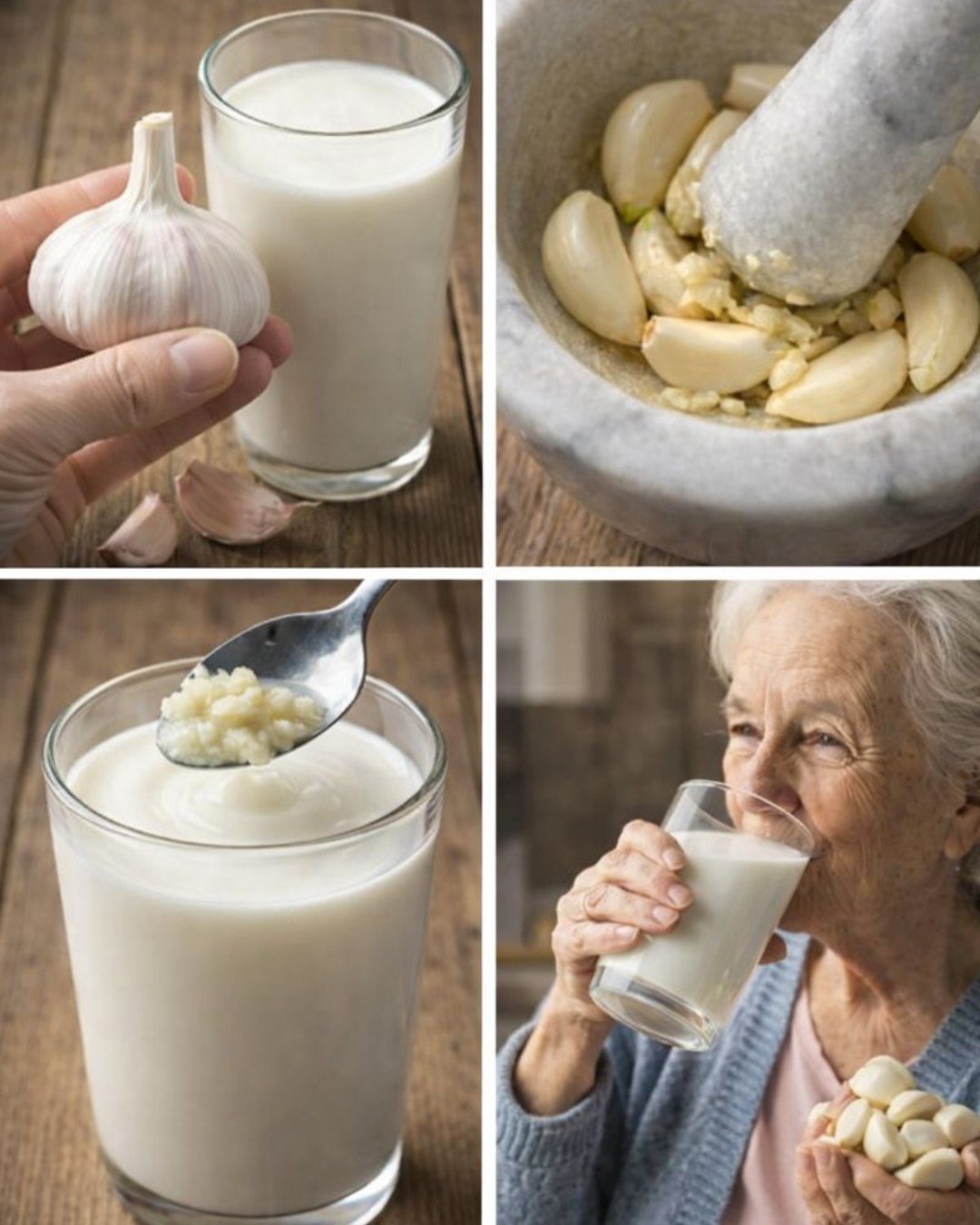
Garlic milk blends the nutrient-rich profile of milk with garlic’s potent sulfur compounds, like allicin, which form when garlic is crushed or heated. While it may sound odd at first, this warm drink has roots in Ayurvedic traditions, where it’s used to promote balance and vitality.
Research shows garlic supports overall health in several areas, and pairing it with milk makes it easier to incorporate. Here’s why many people are turning to it:
- Immune Support: Studies, including those published in the Journal of Nutrition, indicate that allicin’s antimicrobial properties may help the body fend off common threats. Milk adds vitamins like D, creating a soothing combo for seasonal challenges.
But that’s just the start—there’s more to explore.
Potential Benefits of Drinking Garlic Milk Regularly
People have turned to garlic milk for centuries, and science is catching up on why garlic alone shines. Here’s a breakdown of key areas where it may help:
1. Supporting a Stronger Immune Response
Garlic’s allicin has been studied for its ability to enhance immune cell activity. One review in Advances in Therapy noted that regular garlic intake might reduce the frequency of colds.
When infused in warm milk, it’s a comforting way to potentially bolster defenses, especially during colder months.
2. Promoting Heart Health
Research, including meta-analyses, suggests garlic can help maintain healthy blood pressure and cholesterol levels already in normal range. Milk contributes potassium, which supports cardiovascular function.
Together, they form a heart-friendly duo that fits easily into evening routines.
3. Easing Digestive Comfort
Garlic stimulates natural digestive processes, while milk’s soothing nature can calm the gut. Traditional uses highlight it for occasional bloating or indigestion.
The warmth helps everything settle nicely—perfect after a heavy meal.
4. Soothing Inflammation and Joint Discomfort
Garlic’s anti-inflammatory compounds have shown promise in studies for reducing everyday inflammation. Combined with milk’s nutrients, it may offer gentle relief for stiffness or minor aches.
Many report feeling more mobile after consistent use.
5. Nourishing Skin from Within
Antioxidants in garlic, paired with milk’s hydrating properties, support skin health. Some notice improved glow and texture over time.
Here’s a quick comparison of garlic alone vs. garlic milk:
| Aspect | Raw Garlic Alone | Garlic Milk |
|---|---|---|
| Ease of Consumption | Strong flavor, potential burn | Milder, soothing warmth |
| Nutrient Absorption | Quick but intense | Slower release with milk’s fats |
| Traditional Use | Direct remedies | Ayurvedic tonic for balance |
| Best For | Quick boosts | Daily gentle support |
This table shows why the milk version appeals to so many.
The truth is, individual results vary, but the science behind garlic’s benefits is compelling.
How to Make Garlic Milk at Home: Step-by-Step Guide
Ready to try it? This simple recipe takes just minutes and uses everyday ingredients.
Ingredients (Serves 1)
- 1 cup milk (dairy or plant-based like almond for lactose-free)
- 2-3 fresh garlic cloves, crushed
- Optional: A pinch of turmeric or honey for extra flavor (add honey after cooling to preserve benefits)
Preparation Steps
- Crush the garlic cloves and let them sit for 5-10 minutes—this helps activate allicin.
- Heat the milk in a saucepan over medium flame until warm (not boiling).
- Add the crushed garlic and simmer gently for 3-5 minutes.
- Remove from heat, let steep for another 2 minutes.
- Strain out the garlic pieces (or leave in if you prefer texture).
- Sweeten if desired and enjoy warm.
Tips for Best Results:
- Drink in the evening for relaxing effects.
- Start with 1-2 cloves if new to it.
- Use full-fat milk for better absorption of garlic’s compounds.
But here’s the interesting part: Consistency matters more than perfection.
Safety Tips and Who Should Be Cautious
Garlic milk is generally well-tolerated in moderation, but listen to your body.
- May cause mild digestive upset or odor if overdone.
- Avoid excess if on blood-thinning medications, as garlic has natural thinning effects.
- Not ideal for those with garlic allergies or severe dairy intolerance.
Always introduce new foods gradually.
Wrapping It Up: A Timeless Remedy Worth Trying
From its traditional roots in Ayurveda to backing from modern studies on garlic’s allicin and other compounds, garlic milk offers a gentle, natural way to support immunity, heart health, digestion, and more. It’s affordable, easy to make, and surprisingly comforting.
Why not give this simple drink a try tonight? You might just find it’s the small habit that makes a big difference in how you feel.
Frequently Asked Questions (FAQ)
1. How often should I drink garlic milk?
Most people enjoy it 3-5 times a week, preferably in the evening. Start slow and see what feels best.
2. Can I use plant-based milk instead?
Yes! Almond, oat, or coconut milk works well, especially for lactose intolerance. Full-fat options help absorb garlic’s benefits better.
3. Will garlic milk help with sleep?
The warmth and garlic’s relaxing properties may promote better rest for some, as noted in traditional uses.
Disclaimer: This article is for informational purposes only and does not constitute medical advice. Garlic milk may support general wellness based on traditional use and some studies, but it is not a cure or treatment for any condition. Always consult your healthcare provider before trying new remedies, especially if you have health concerns, are pregnant, or take medications.