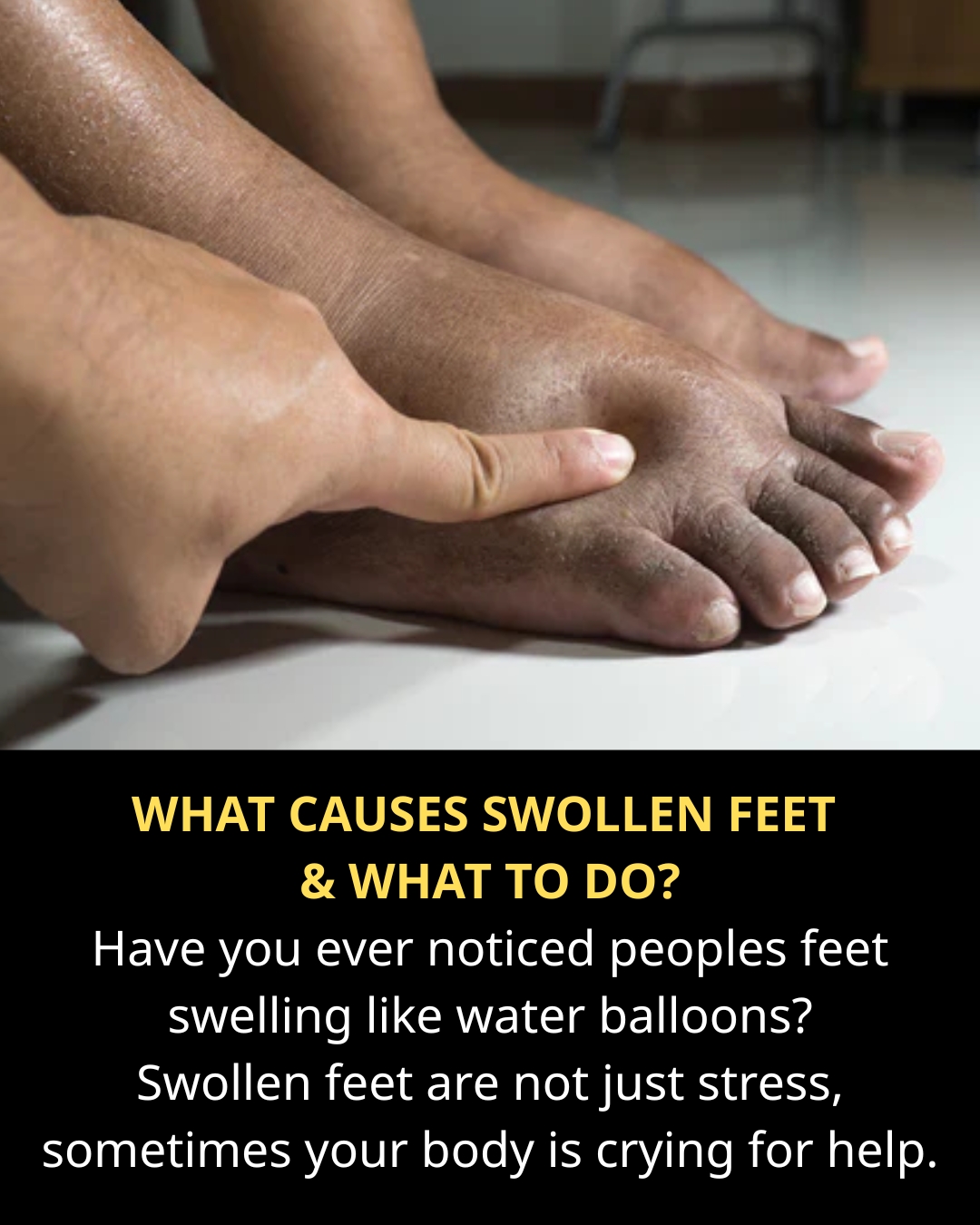
What Causes Swollen Feet & What To Do?
ave you ever noticed someone’s feet swelling like water balloons? Shoes suddenly feel tight. Ankles disappear. Skin looks shiny and stretched.
Swollen feet are not always “just stress.” Sometimes, your body is quietly asking for attention.
Let’s break down the most common causes of swollen feet — and what to do each time.
What Is Swelling in the Feet?
Swelling in the feet and ankles is medically known as edema. It happens when excess fluid gets trapped in your body’s tissues.
Gravity plays a big role. Since your feet are the lowest part of your body when you stand or sit, fluid naturally collects there.
Occasional mild swelling can be harmless. But persistent or sudden swelling may signal something more serious.
1. Standing or Sitting Too Long
Why It Happens
When you stay in one position for hours — especially standing — blood and fluid can pool in your lower legs.
This is common in:
Office workers
Retail staff
Long flights or road trips
Hot weather conditions
What To Do
Elevate your feet above heart level for 15–20 minutes
Move every hour (even short walks help)
Stretch your calves and ankles
Wear compression socks if needed
If swelling goes down overnight, it’s usually circulation-related.
2. High Salt Intake
Why It Happens
Salt causes your body to retain water. Too much sodium can increase fluid buildup, especially in the lower extremities.
You may notice:
Puffy feet
Tight rings
Bloating
What To Do
Reduce processed and packaged foods
Drink more water (yes, more water helps flush sodium)
Add potassium-rich foods like bananas and spinach
If swelling improves after dietary changes, salt may be the trigger.
3. Pregnancy
Why It Happens
During pregnancy, your body produces more blood and fluid to support your baby. The growing uterus also puts pressure on veins, slowing blood return from your legs.
Mild swelling is common, especially in the third trimester.
What To Do
Rest with feet elevated
Avoid standing long periods
Sleep on your left side
Stay hydrated
However, sudden severe swelling — especially with headache or vision changes — requires immediate medical attention.
4. Heart Problems
Why It Happens
Your heart pumps blood throughout your body. If it’s not pumping efficiently, fluid can build up in your legs and feet.
Swelling from heart-related issues often:
Affects both feet
Gets worse at night
Comes with fatigue or shortness of breath
What To Do
Seek medical evaluation
Monitor weight daily (sudden gain can signal fluid retention)
Follow prescribed treatment strictly
Persistent swelling should never be ignored.
5. Kidney Issues
Why It Happens
Your kidneys regulate fluid balance. If they’re not working properly, excess fluid stays in your body.
You might also notice:
Puffy eyes
Changes in urination
General fatigue
What To Do
Get blood and urine tests
Reduce sodium intake
Follow medical advice carefully
Kidney-related swelling often appears gradually.
6. Liver Disease
Why It Happens
The liver produces proteins that help keep fluid inside blood vessels. If liver function declines, fluid leaks into tissues.
Signs may include:
Abdominal swelling
Yellowing of skin (jaundice)
Easy bruising
What To Do
Immediate medical care is necessary. Liver-related swelling is not something to treat at home.
7. Venous Insufficiency
Why It Happens
Your veins have valves that push blood back to your heart. When these valves weaken, blood pools in the legs.
This condition is called chronic venous insufficiency.
Common symptoms:
Aching legs
Skin discoloration
Varicose veins
Swelling that worsens throughout the day
What To Do
Wear compression stockings
Elevate legs daily
Exercise regularly
Avoid prolonged sitting or standing
Early management can prevent complications.
8. Medications
Some medications may cause swelling, including:
Certain blood pressure drugs
Hormone therapies
Anti-inflammatory medications
If swelling starts after a new prescription, speak to your doctor before stopping anything.
When Is Swollen Feet an Emergency?
Seek immediate medical help if swelling is:
Sudden and severe
Only in one leg with pain (possible blood clot)
Accompanied by chest pain or difficulty breathing
Associated with high fever
These signs require urgent evaluation.
Natural Ways To Reduce Mild Swelling
For occasional swelling, these methods may help:
✔ Elevate feet 2–3 times daily
✔ Gentle ankle rotations and walking
✔ Stay hydrated
✔ Reduce salt
✔ Maintain a healthy weight
✔ Use Epsom salt foot soaks
✔ Try light massage (if no medical contraindications)
Consistency matters more than intensity.
Final Thoughts
Swollen feet are not just cosmetic. They can be your body’s way of signaling:
Circulation problems
Organ stress
Hormonal changes
Lifestyle imbalance
Sometimes the fix is simple — move more, eat less salt, elevate your legs.
Other times, it’s a warning sign you shouldn’t ignore.
Pay attention to patterns. Listen to your body.
It speaks before it screams.