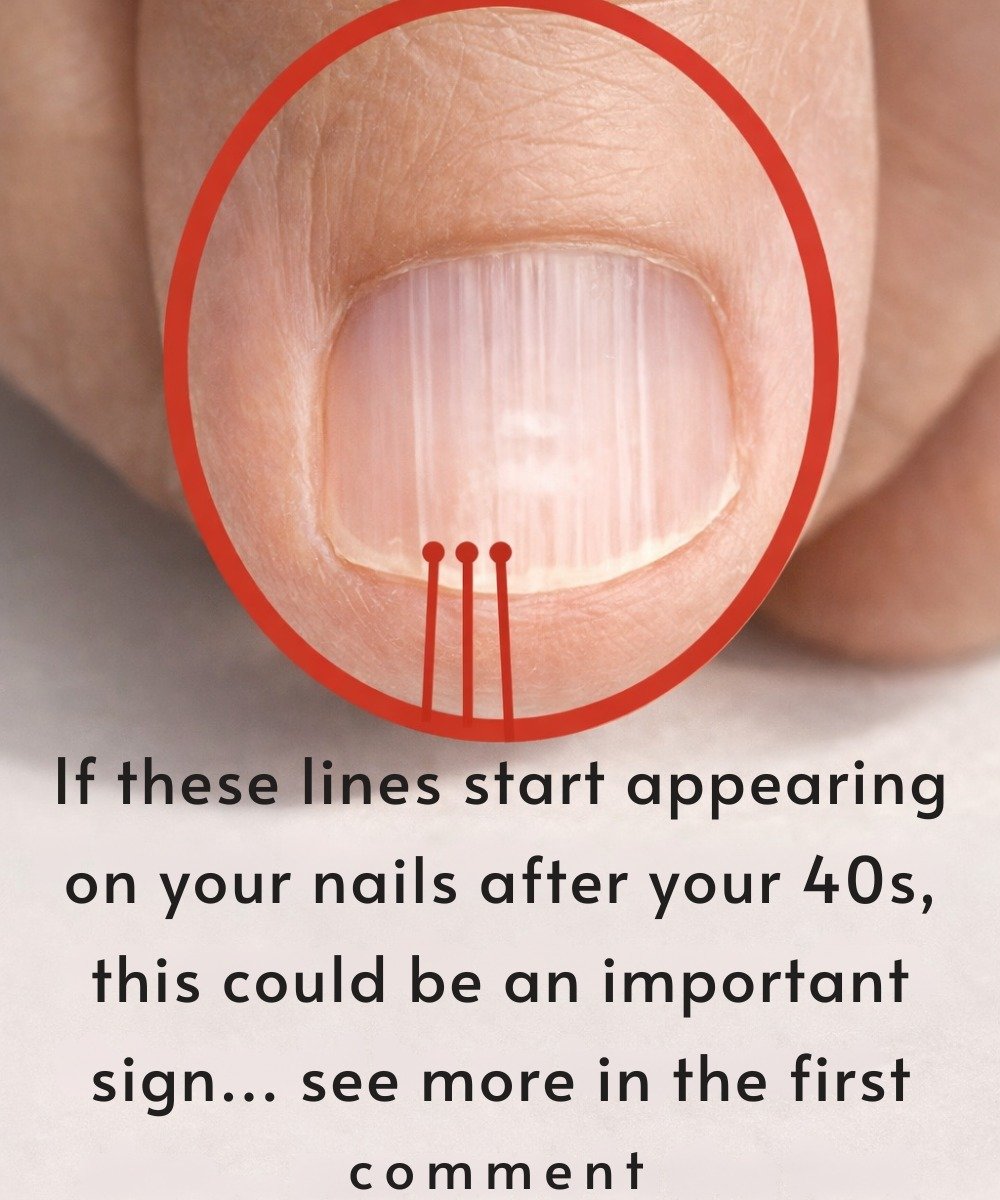
Many people over 40 notice subtle vertical lines appearing on their fingernails, running from the cuticle to the tip. These changes can feel concerning, especially when they seem to develop overnight and make nails look less smooth than before. It’s easy to worry that something deeper is going on inside your body, amplifying that quiet anxiety about aging or hidden health issues.
But here’s the reassuring truth: in most cases, these ridges are a completely normal part of getting older. Yet, understanding exactly why they happen—and spotting the rare signs that they might point to something more—can give you peace of mind. Keep reading, because toward the end, I’ll share practical steps that can help minimize their appearance and keep your nails healthier longer.
What Exactly Are Vertical Ridges on Nails?
Vertical ridges, also called longitudinal ridges, are thin lines or grooves that run lengthwise along your fingernail.
They differ from horizontal ridges (which run side to side and often signal more urgent issues like stress or illness).
These vertical lines often start faint and become more noticeable after age 40. Research from sources like the Cleveland Clinic and Mayo Clinic shows they typically result from slower cell turnover in the nail matrix—the area under the cuticle where new nail cells form.
As we age, this process naturally slows, leading to slight unevenness in keratin (the protein that builds nails).
But that’s not the whole story…
The Most Common Causes of Vertical Nail Ridges After 40
Let’s break down the main reasons these ridges show up.
1. Natural Aging (The #1 Cause)
The vast majority of vertical ridges are simply due to aging.
Studies indicate that cell regeneration in the nail matrix slows with time, causing uneven keratin distribution.
This is why ridges often appear gradually and affect multiple nails symmetrically.
According to dermatologists cited in Healthline and WebMD, slight vertical ridges are common in older adults and usually harmless.
2. Dryness and Dehydration
Nails lose moisture more easily as we age, making existing ridges stand out.
Frequent hand washing, exposure to harsh soaps, or dry climates strip natural oils from the nail plate.
Dehydrated nails become brittle, amplifying those lines.
Here’s a quick comparison:
| Factor | Healthy, Smooth Nails | Ridged Nails After 40 |
|---|---|---|
| Moisture Level | Well-hydrated, flexible | Often dry and brittle |
| Appearance | Even surface, shiny | Visible vertical lines, duller |
| Common Causes | Good hydration, balanced diet | Aging, dryness, nutrient gaps |
3. Nutritional Factors
Certain nutrient shortfalls can worsen ridges.
Common ones include:
- Biotin (vitamin B7) – Supports keratin production
- Iron – Low levels may contribute to thinner, ridged nails
- Zinc – Helps with nail strength and growth
After 40, absorption of these nutrients can decline, even with a healthy diet.
Research mentioned in medical reviews suggests addressing deficiencies through food or supplements (under medical guidance) may improve nail texture over time.
4. Less Common Underlying Issues
In rarer cases, pronounced ridges accompany conditions like:
- Thyroid imbalances (e.g., hypothyroidism can cause brittle, ridged nails)
- Poor circulation
- Skin conditions such as eczema
Experts from the Cleveland Clinic note these usually come with other symptoms, like fatigue or dry skin.
The truth is, isolated vertical ridges rarely indicate serious problems—but combining them with other changes warrants attention.
When Should You See a Doctor About Nail Ridges?
Most vertical ridges don’t require medical intervention.
However, consult a healthcare provider if you notice:
- Sudden deep ridges or changes in multiple nails
- Discoloration (dark streaks, yellowing, or browning)
- Pain, swelling, or redness around the nails
- Nails that split easily, thicken, or peel excessively
These could rarely signal issues like infections or, very uncommonly, skin concerns under the nail.
Early check-ups provide reassurance and catch anything early.
Simple, Actionable Ways to Care for Ridged Nails
You can absolutely improve the look and strength of your nails with consistent habits.
Here’s a step-by-step routine many find helpful:
- Moisturize daily – Apply a rich hand cream or cuticle oil after washing hands. Focus on massaging it into nails and cuticles.
- Stay hydrated – Drink plenty of water to support moisture from within.
- Eat nutrient-rich foods – Include sources of biotin (eggs, nuts), iron (leafy greens, lean meats), and zinc (seeds, seafood).
- Protect your hands – Wear gloves for chores to avoid harsh chemicals.
- Be gentle – Avoid over-filing or using nails as tools. If supplementing, discuss biotin with your doctor first.
- Give nails a break – Skip polish occasionally to let them breathe.
Many people see smoother, stronger nails within a few months of these changes.
Conclusion
Vertical ridges on your nails after 40 are most often a benign sign of natural aging—nothing to lose sleep over.
By staying aware of accompanying symptoms and adopting gentle care habits, you can maintain healthier nails and spot any rare issues early.
Your nails reflect years of life experience; treating them kindly is a small way to honor that.
Frequently Asked Questions
Are vertical ridges on nails always normal after 40?
Yes, in the majority of cases, they are a harmless part of aging, as noted by experts at Mayo Clinic and Cleveland Clinic.
Can vertical ridges go away?
Age-related ones may not disappear completely, but moisturizing, nutrition, and care can make them less noticeable.
What’s the difference between vertical and horizontal ridges?
Vertical ridges usually stem from aging or dryness; horizontal ones (Beau’s lines) often indicate temporary disruptions like illness or stress and deserve quicker attention.
Disclaimer: This article is for informational purposes only and is not a substitute for professional medical advice. Always consult a qualified healthcare provider for personalized guidance on nail changes or health concerns.