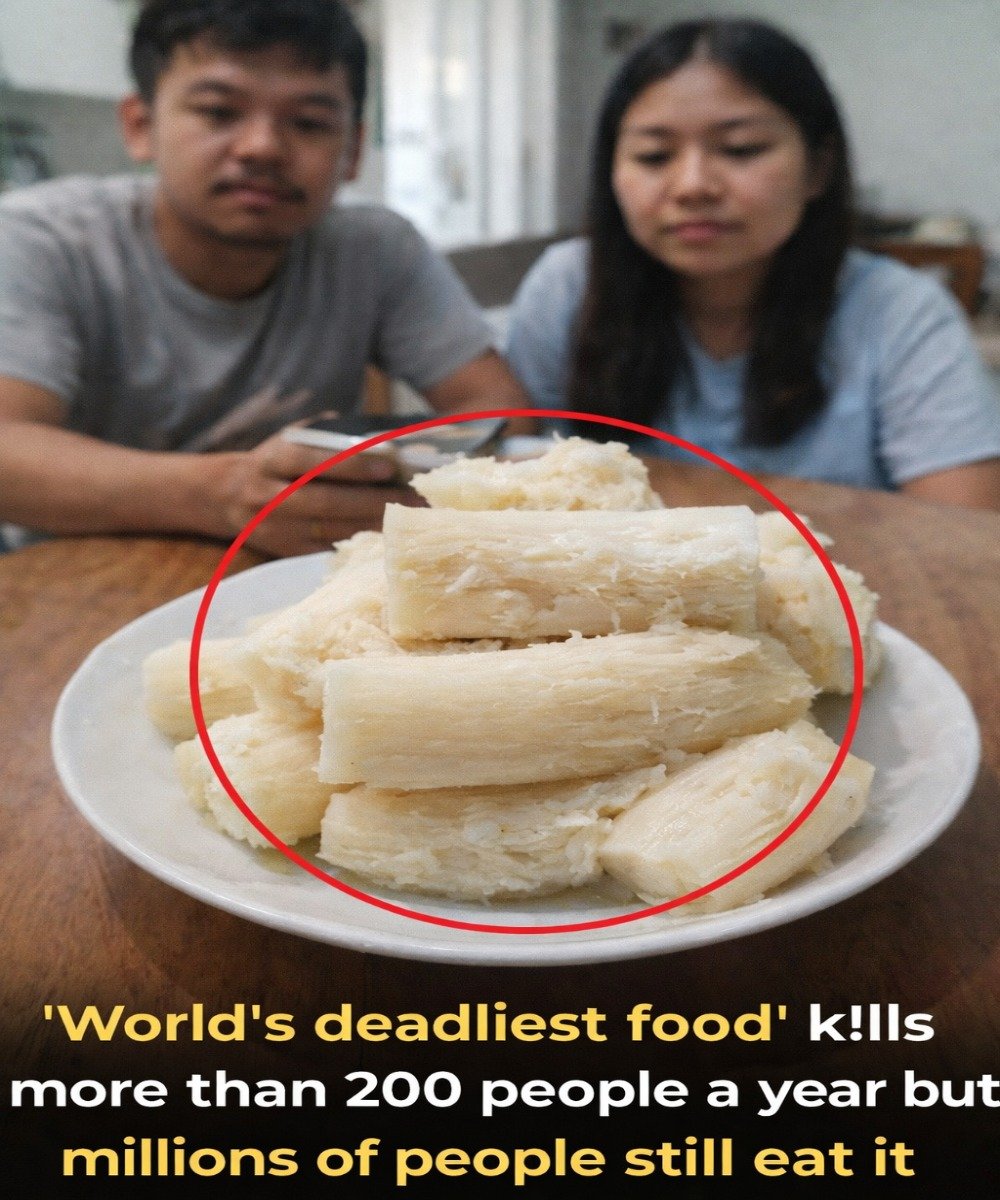
Every year, a common root vegetable that serves as a lifeline for hundreds of millions of families quietly claims more than 200 lives worldwide, according to health authorities. This staple food delivers essential calories in regions where other crops struggle to grow, yet its natural toxins can turn deadly without the right preparation steps. The frustration hits hard for those in food-insecure areas, where hunger forces rushed cooking methods that unleash hidden poisons leading to sudden illness or lasting disability. But here’s the reassuring part – with simple, proven techniques passed down through generations and backed by science, this everyday ingredient becomes perfectly safe and nourishing for your table. Keep reading because by the end of this article, you’ll discover the full story behind this so-called world’s deadliest food and the exact steps to enjoy it without worry.
What Exactly Is Cassava and Why Is It Labeled the World’s Deadliest Food?
Cassava, also known as manioc or yuca, is a starchy root vegetable native to South America but now grown across tropical regions in Africa, Asia, and Latin America. Farmers love it because it thrives in poor soil and resists drought, making it a reliable crop when times get tough. Yet experts call it the world’s deadliest food for one simple reason: its natural defense chemicals can release hydrogen cyanide – the same toxic compound found in some industrial poisons – if the plant isn’t handled correctly.
But that doesn’t mean you should avoid it entirely. Far from it. When prepared the traditional way, cassava has fed entire communities for centuries without issue. The danger only surfaces when shortcuts happen, and that’s exactly what we’ll unpack next.
The Hidden Toxin Lurking in Every Cassava Root
Here’s the science in plain terms: cassava contains cyanogenic glucosides, compounds that act like a built-in pest repellent for the plant. When you damage the root – by peeling, cutting, or biting – an enzyme triggers a reaction that turns those compounds into hydrogen cyanide gas.
And that’s not even the scariest part. Even small amounts lingering in poorly processed cassava can build up over time, especially if your diet lacks protein to help your body detoxify. This is why health organizations track cases so closely.
Shocking Statistics That Reveal the Real Risk
The numbers paint a clear picture. The World Health Organization estimates that cassava-related cyanide poisoning causes around 200 deaths each year. Thousands more suffer permanent damage, including a condition called konzo that brings sudden, irreversible leg paralysis.
Yet nearly 500 million people worldwide eat cassava daily. That’s roughly the population of the entire European Union relying on this one crop for basic energy. Hundreds of millions of tons are harvested annually, proving its importance as a food security lifeline.
To help you see the balance clearly, here’s a quick comparison:
| Aspect | The Risk Side | The Safe Reality |
|---|---|---|
| Annual Deaths | ~200 from improper preparation | Millions eat it safely every day |
| Affected People | Thousands develop chronic issues | Proper methods reduce toxins by 98%+ |
| Consumption Scale | High in low-resource areas | Staple for half a billion people |
| Main Cause of Danger | Skipped soaking or fermentation | Fully preventable with simple steps |
These figures show the problem isn’t the food itself – it’s the preparation gap that exists during crises like famines or conflicts.
Why Do Half a Billion People Still Rely on Cassava?
The truth is, cassava isn’t going anywhere because it works where other foods can’t. It grows fast, stores well underground, and provides cheap carbohydrates that keep families going when rice or wheat prices spike. In many cultures, it’s turned into familiar favorites like tapioca, fufu, or garri – dishes loaded with comfort and tradition.
Plus, when processed right, it offers real nutritional perks: plenty of vitamin C, fiber, and resistant starch that supports gut health. Families aren’t choosing danger; they’re choosing survival and familiarity. And that’s why awareness campaigns focus on education rather than elimination.
But here’s where it gets interesting…
Recognizing the Warning Signs of Cassava Poisoning
Knowing what to watch for can literally save lives. Acute cyanide exposure often shows up fast with symptoms like headache, nausea, vomiting, dizziness, rapid breathing, and in severe cases, seizures or loss of consciousness. Chronic low-level exposure might lead to fatigue, nerve damage, or the sudden onset of konzo – a heartbreaking paralysis that mostly hits children and women in poor communities.
The good news? These outcomes are almost entirely avoidable. Modern research confirms that traditional processing methods slash cyanide levels dramatically, often to safer-than-store-bought levels.
Your Step-by-Step Guide to Safely Preparing Cassava at Home
Ready to turn this potential risk into a safe, delicious staple? Follow these proven steps used successfully around the world. These techniques can remove up to 99% of the toxins.
Here’s the exact process for fresh cassava roots:
- Peel thoroughly first. Most of the cyanide hides in and just under the skin – remove every bit of the outer layer and any fibrous strings.
- Cut into small pieces. Smaller chunks expose more surface area so toxins can leach out faster.
- Soak properly. Submerge the pieces in plenty of clean water for at least 24–48 hours (or up to 72 hours for bitter varieties). Change the water a couple of times.
- Ferment or grate if needed. For extra safety, grate the soaked pieces and let them ferment naturally for a day – this step boosts flavor and safety.
- Cook thoroughly. Boil, fry, or bake until completely soft. Boiling drives off the remaining volatile cyanide gas.
For cassava flour or packaged products, look for the “wetting method”: simply mix the flour with water, let it stand for a few hours, then cook as usual. It’s an easy upgrade that health programs now teach in high-risk areas.
Pro tip: Sweet cassava varieties (the milder ones sold in many grocery stores) need less intensive treatment than bitter types, but peeling and cooking are still non-negotiable.
Additional Tips to Make Cassava Part of a Healthy Diet
Want to enjoy cassava without second-guessing? Pair it with protein-rich foods like beans, fish, or peanuts – the protein helps your body neutralize any trace cyanide. Diversify your meals so cassava isn’t the only carb on your plate. And if you’re buying fresh roots, choose firm, unblemished ones and use them within a few days.
Communities that follow these steps report almost zero poisoning cases, proving that knowledge truly is power.
The Bottom Line: Knowledge Turns Danger Into Daily Nutrition
Cassava proves that even the world’s deadliest food can become a safe, everyday hero when treated with respect and the right techniques. Over 500 million people thrive on it because proper preparation unlocks its benefits while eliminating the risks. By understanding the science and following simple steps, you protect your family and honor a crop that has sustained generations through tough times.
The choice is yours – and now you have the tools to make the safest one.
FAQ: Your Top Questions About Cassava Answered
Is cassava safe to eat if I buy it from the store?
Yes, most commercial cassava sold in supermarkets is the sweet variety and becomes safe after peeling and thorough cooking. Always follow basic preparation guidelines for peace of mind.
Can cassava poisoning happen from eating it once?
Acute poisoning is rare from a single serving of properly prepared cassava, but repeated exposure to under-processed roots can build up over time. Stick to proven methods and you’ll stay safe.
What should I do if I suspect cassava poisoning?
Seek medical help immediately if you experience nausea, dizziness, or breathing issues after eating cassava. Early treatment with supportive care works best – never try to self-diagnose or delay care.
Disclaimer: This article is for informational purposes only and is not intended as medical advice. Always consult a qualified healthcare professional before making significant changes to your diet, especially if you have existing health conditions or concerns about food safety. Preparation methods should be adapted to local guidelines and varieties of cassava available in your region.