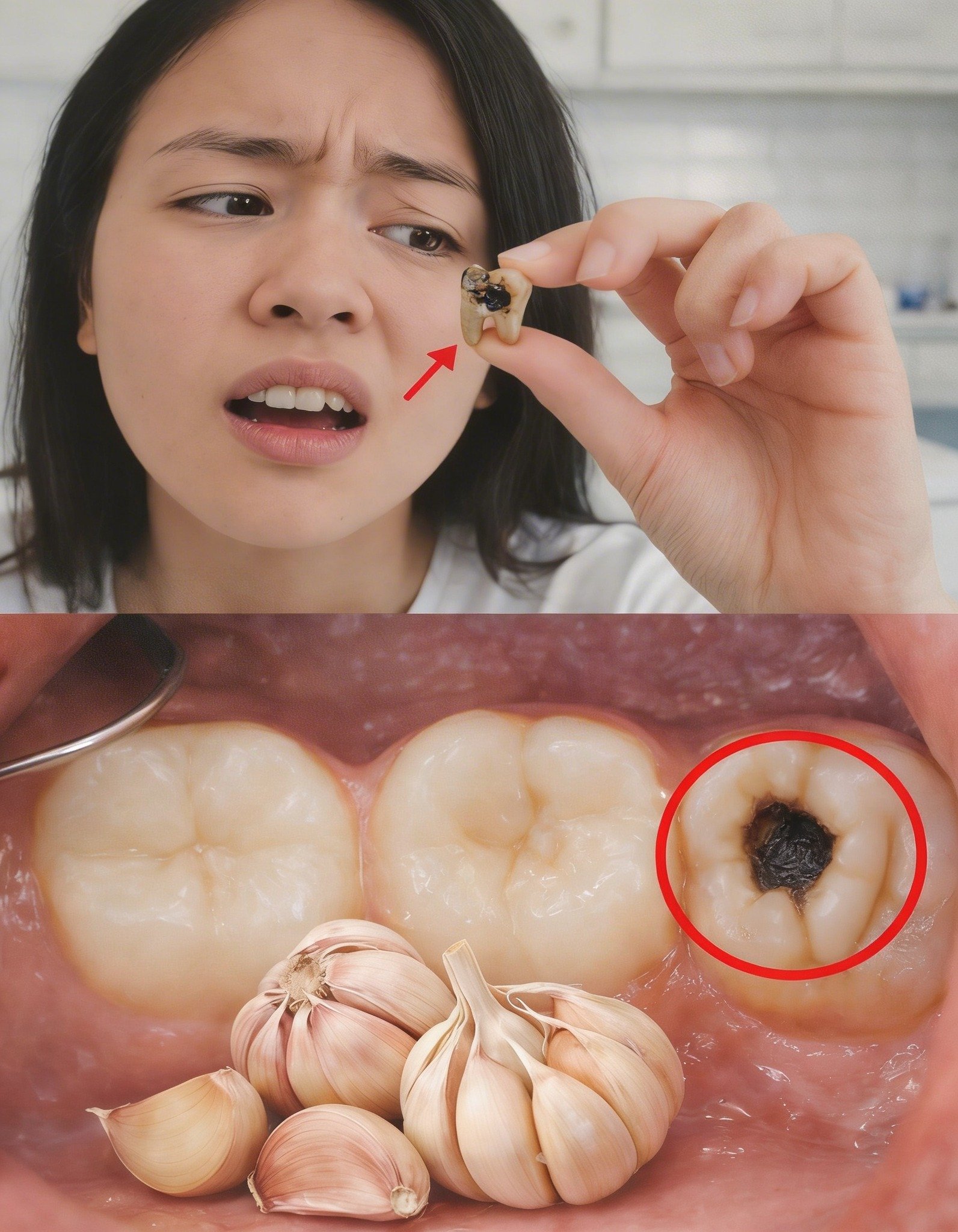
Tooth sensitivity when sipping coffee, a dark spot that was not there before, or a dull ache that comes and goes can quietly disrupt your day. You may brush a little harder, chew on the other side, or hope it simply fades away. The discomfort is not always dramatic, but the worry of a growing cavity can sit in the back of your mind. The good news is that certain daily habits may support your teeth in the very early stages and help strengthen enamel naturally and there is one often overlooked habit at the end of this article that might surprise you.
Understanding What a Cavity Really Is
Before talking about natural support strategies, it helps to understand what is happening inside your tooth.
A cavity begins when acids produced by bacteria gradually weaken the enamel. Enamel is the hard outer layer that protects the softer inner structure. When enamel loses minerals like calcium and phosphate, it becomes more vulnerable. This early stage is often called demineralization.
Here is the important part. In very early stages, enamel can regain some minerals through a natural process called remineralization. Saliva plays a major role in this. However, once a cavity forms a visible hole, professional dental care is usually needed.
But that is not all.
Your everyday choices strongly influence whether enamel loses minerals or gains them back.
Why Natural Support Matters in Early Stages
Research shows that diet, oral hygiene, and saliva quality directly affect enamel strength. Studies published in dental journals consistently highlight the balance between acid exposure and mineral replacement.
When acids dominate, enamel weakens.
When minerals dominate, enamel strengthens.
So the real goal is not a quick fix. It is shifting that balance in your favor.
Let us break down how to do that.
Strengthen Enamel With Smarter Oral Hygiene Habits
Brush Gently but Effectively
Brushing twice daily is essential, but technique matters.
- Use a soft bristle toothbrush to avoid enamel wear
- Brush for at least two minutes
- Angle the brush toward the gum line
- Avoid aggressive scrubbing
Here is something many people do not realize. Brushing immediately after consuming acidic foods like citrus or soda can actually wear enamel further. Waiting about thirty minutes allows saliva to neutralize acids first.
This small timing change can make a meaningful difference.
Choose Fluoride Toothpaste
Fluoride helps support remineralization by encouraging minerals to bind back into enamel. Many public health organizations recommend fluoride toothpaste for this reason.
If fluoride is not your preference, look for toothpaste containing hydroxyapatite, a mineral similar to natural enamel. Early research suggests it may support enamel strength in a comparable way.
Consistency is more important than brand.
Floss Daily
Flossing removes food particles and plaque from between teeth where brushes cannot reach. Cavities often begin in these hidden areas.
A simple routine could include:
- Floss before brushing at night
- Rinse with water
- Brush thoroughly
It sounds basic. Yet daily flossing remains one of the most overlooked protective habits.
Nutrition That Supports Tooth Health
The food you eat either feeds harmful bacteria or supports enamel recovery.
Here is where things get interesting.
Reduce Frequent Sugar Exposure
It is not just how much sugar you eat. It is how often you eat it.
Each time sugar enters your mouth, bacteria produce acid for about twenty minutes. Frequent snacking means your teeth stay under acid attack for hours.
Consider these adjustments:
- Replace sugary snacks with nuts or cheese
- Drink water instead of sweet beverages
- Limit sipping on sweet drinks throughout the day
Even small changes reduce total acid exposure.
Increase Mineral Rich Foods
Certain nutrients support enamel strength and saliva production.
Focus on:
- Dairy products rich in calcium
- Leafy greens
- Almonds
- Fatty fish for vitamin D
- Eggs
Vitamin D helps the body absorb calcium more effectively. Without it, mineral intake may not fully benefit your teeth.
And here is the part many people forget.
Stay Hydrated
Saliva is your mouth natural defense system. It neutralizes acids and delivers minerals to enamel.
Dehydration reduces saliva flow, leaving enamel more vulnerable.
Aim to:
- Drink water consistently throughout the day
- Chew sugar free gum to stimulate saliva if needed
Xylitol based gum may also help reduce harmful bacteria levels according to several studies.
Natural Ingredients People Often Talk About
You may have seen home remedies circulating online. Let us clarify what science suggests.
Oil Pulling
Oil pulling involves swishing coconut oil in the mouth for several minutes.
Some small studies suggest it may reduce certain bacteria levels. However, it should not replace brushing and flossing. Think of it as an optional supplement to a strong routine.
Salt Water Rinse
Salt water can temporarily reduce bacteria and soothe irritated gums. It does not rebuild enamel directly, but it can support overall oral hygiene.
Baking Soda
Baking soda is mildly abrasive and can help neutralize acids. Many commercial toothpastes already include it in balanced amounts. Using it occasionally may help, but excessive use can wear enamel.
Moderation is key.
Lifestyle Habits That Protect Enamel
Sometimes the biggest difference comes from habits you barely notice.
Avoid Constant Snacking
Giving your teeth longer breaks between meals allows saliva to do its job.
Try structured meal times rather than grazing throughout the day.
Manage Acidic Drinks
Soda, sports drinks, and citrus juices expose enamel to strong acids.
If you consume them:
- Use a straw to reduce contact with teeth
- Rinse with water afterward
- Avoid brushing immediately
Small protective behaviors add up over time.
Address Teeth Grinding
Grinding can weaken enamel and make cavities more likely to progress.
If you wake with jaw soreness or headaches, discussing a night guard with a dental professional may help protect enamel from mechanical wear.
Step by Step Daily Routine to Support Early Enamel Recovery
Here is a practical routine you can start today:
- Brush gently with fluoride or hydroxyapatite toothpaste in the morning
- Eat balanced meals and avoid constant sugary snacks
- Drink water regularly
- Chew sugar free gum after meals if brushing is not possible
- Floss thoroughly at night
- Brush again before bed
- Avoid late night snacking
Simple. Repeatable. Effective.
But here is the often overlooked habit promised earlier.
The Surprising Role of Saliva at Night
During sleep, saliva production naturally decreases. This makes nighttime especially important for enamel protection.
Going to bed without brushing leaves sugar and bacteria sitting on teeth for hours in a dry environment.
That combination accelerates enamel breakdown.
So the most powerful natural support strategy may simply be this.
Never skip nighttime brushing.
It sounds almost too simple. Yet dental professionals consistently report that improving nighttime oral hygiene alone significantly reduces cavity risk.
Sometimes the basics are the real secret.
When Natural Support Is Not Enough
It is important to set realistic expectations.
Natural strategies may support enamel in very early stages when there is no visible hole. Once structural damage is advanced, professional dental care is usually necessary to prevent further complications.
Regular dental checkups help identify problems before they become larger concerns.
Avoiding the dentist entirely is not the goal. Reducing preventable damage is.
Key Takeaways
- Cavities begin with enamel mineral loss
- Early stages may benefit from improved oral hygiene and nutrition
- Fluoride and certain minerals support enamel strength
- Reducing sugar frequency is more important than total quantity alone
- Nighttime brushing plays a crucial protective role
Consistency beats intensity every time.
Frequently Asked Questions
Can a small cavity go away on its own
In very early stages before a hole forms, enamel may regain minerals with proper care and fluoride exposure. Once a cavity creates structural damage, professional evaluation is typically needed.
Are natural remedies enough to avoid dental visits
Healthy habits greatly reduce risk, but routine dental checkups remain important for monitoring areas you cannot see or feel.
How long does enamel remineralization take
It varies depending on diet, hygiene, and saliva quality. With consistent habits, supportive changes can begin within weeks, but maintaining those habits long term is essential.
Final Thoughts
Tooth discomfort can feel overwhelming, especially when you want to avoid invasive procedures. The reassuring truth is that your body already has mechanisms designed to protect and strengthen enamel. By adjusting daily habits, supporting saliva production, and choosing enamel friendly foods, you give your teeth the best possible environment to stay strong.
The real power lies in small consistent actions repeated every single day.
Disclaimer This article is for informational purposes only and is not a substitute for professional dental advice or personalized medical care.