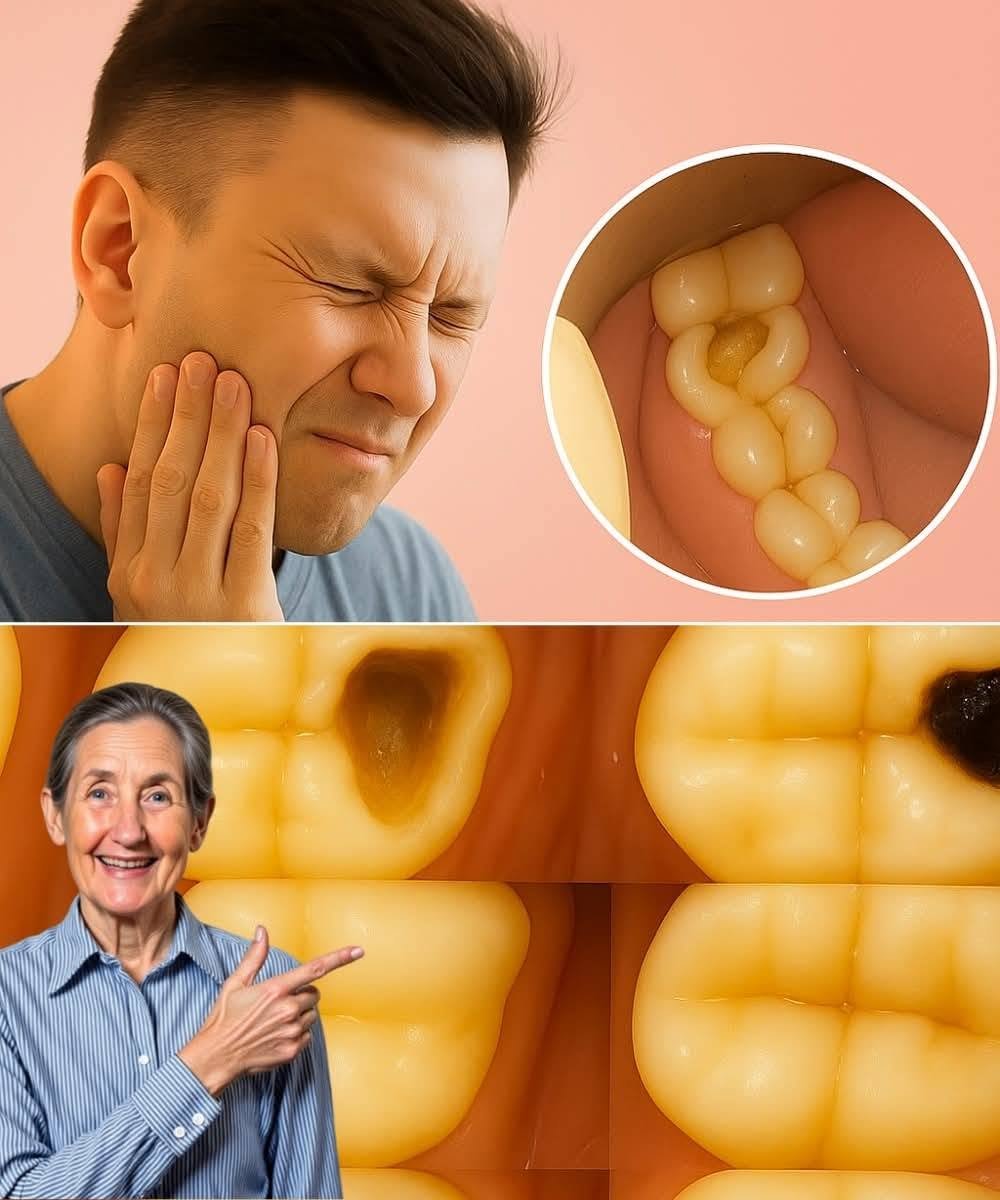
How to Naturally Protect Your Teeth and Prevent Cavities: 10 Dental Care Tips You Should Know
How to Naturally Protect Your Teeth and Prevent Cavities: 10 Dental Care Tips You Should Know
A healthy smile is one of the most important parts of overall well-being. However, tooth decay, cavities, bad breath, and gum problems are common issues that affect millions of people worldwide.
Many people wait until they experience severe toothache before visiting a dentist. Unfortunately, by that stage, the damage may already be significant.
The good news is that simple daily habits, proper oral hygiene, and certain natural foods can help protect your teeth, support healthy gums, and reduce the risk of developing cavities.
But can you really repair a cavity naturally?
Let’s explore what helps protect your teeth, which home remedies are worth trying, and how to maintain a healthy smile without unnecessary dental problems.
## 1. Understand How Cavities Develop
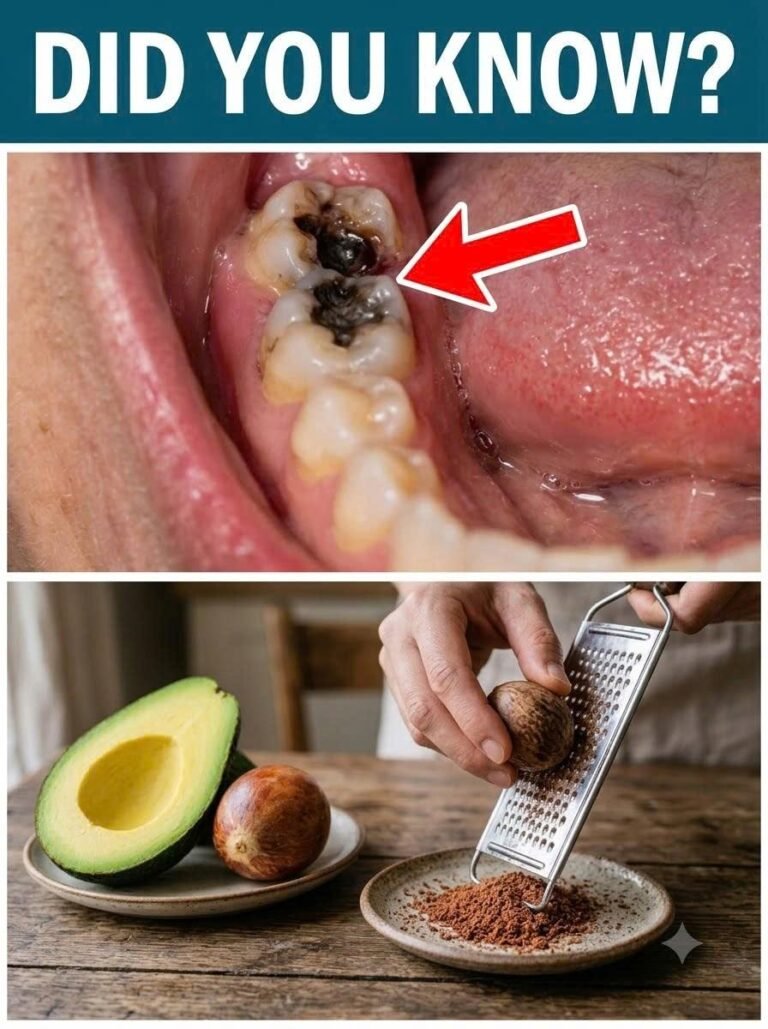
Tooth decay occurs when bacteria in dental plaque produce acids that gradually damage the hard outer layer of your teeth, known as enamel.
These acids are produced when bacteria break down sugars and carbohydrates from food and drinks.
Over time, repeated acid attacks can cause minerals to leave the enamel. This process is called demineralization.
If the damage progresses, a permanent hole or cavity may develop.
Common warning signs include:
– Tooth sensitivity to hot or cold foods.
– Pain when eating sweets.
– White, brown, or black spots on teeth.
– Visible holes or pits.
– Persistent toothache.
– Pain when biting or chewing.
Not every cavity causes pain in its early stages, which is why regular dental examinations are important.
## 2. Can You Naturally Repair a Cavity?
This is one of the most frequently asked questions about dental health.
The answer depends on how advanced the tooth decay is.
**Early enamel damage:** When decay is still at the initial stage and has not created a hole, the enamel may be able to recover some lost minerals through a process called remineralization.
**Established cavities:** Once tooth decay creates a physical hole in the tooth, the damaged structure cannot grow back naturally. A dentist generally needs to remove the decay and restore the tooth with an appropriate filling or other treatment.
This distinction is important because delaying treatment can allow a small cavity to become a much bigger problem.
## 3. Use Fluoride Toothpaste to Strengthen Enamel
One of the most effective ways to prevent cavities is brushing with fluoride toothpaste.
Fluoride helps strengthen tooth enamel and supports remineralization of early tooth damage.
For adults, dentists generally recommend toothpaste containing around 1,350–1,500 ppm fluoride.
Follow these simple brushing habits:
– Brush twice daily.
– Brush for approximately two minutes.
– Use a soft-bristled toothbrush.
– Clean all surfaces of your teeth.
– Spit out the toothpaste after brushing rather than rinsing immediately with water.
Regular fluoride use is one of the most scientifically supported methods of preventing tooth decay.
## 4. Try Saltwater Rinses for Gum Comfort
Saltwater rinses are a traditional home remedy that may provide temporary comfort for minor gum irritation.
Saltwater does not repair cavities or rebuild damaged enamel, but it can be used as a gentle mouth rinse.
**How to prepare it:**
1. Take one glass of warm water.
2. Add half a teaspoon of salt.
3. Stir until completely dissolved.
4. Swish gently around your mouth.
5. Spit it out rather than swallowing.
Do not use excessively hot water, and remember that persistent gum pain or swelling requires dental assessment.
## 5. Eat Calcium-Rich Foods for Stronger Teeth
Calcium is an important mineral for maintaining healthy teeth and bones.
Including calcium-rich foods in your diet can support normal dental health.
Consider adding:
– Milk.
– Plain yogurt.
– Cheese.
– Calcium-fortified plant-based milk.
– Leafy green vegetables.
– Calcium-set tofu.
Dairy products such as cheese and plain yogurt can also be useful alternatives to sugary snacks.
Remember that eating calcium-rich foods does not fill existing cavities.
## 6. Eat Crunchy Fruits and Vegetables
Fresh fruits and vegetables can contribute to a healthy diet and encourage saliva production through chewing.
Good choices include:
– Apples.
– Carrots.
– Cucumbers.
– Celery.
– Pears.
Chewing these foods stimulates saliva, which helps neutralize acids and supports the natural protection of tooth enamel.
However, crunchy foods do not replace brushing or flossing.
## 7. Avoid Excessive Sugar to Prevent Tooth Decay
One of the biggest contributors to cavities is frequent exposure to sugar.
When oral bacteria consume sugars, they produce acids that attack tooth enamel.
Try reducing:
– Sugary soft drinks.
– Candy and sweets.
– Cakes and biscuits.
– Sweetened fruit juices.
– Sticky confectionery.
– Frequent sugary snacks between meals.
If you enjoy sweets, having them occasionally with meals is generally preferable to repeatedly snacking throughout the day.
Choose plain water as your main everyday drink.
## 8. Clean Between Your Teeth Every Day
Brushing alone cannot effectively clean every area of your mouth.
Food particles and plaque can accumulate between teeth, where cavities frequently develop.
Dental floss or appropriately sized interdental brushes can help remove plaque from these areas.
Make cleaning between your teeth part of your daily oral hygiene routine.
If you find traditional floss difficult to use, ask your dentist about alternative interdental cleaning tools.
## 9. Drink Enough Water and Support Natural Saliva Production
Saliva plays an essential role in protecting your teeth.
It helps wash away food particles, neutralize acids, and supply minerals that support enamel remineralization.
A dry mouth can increase the risk of tooth decay.
To support normal saliva production:
– Drink water regularly.
– Avoid excessive sugary beverages.
– Limit tobacco use.
– Avoid unnecessary mouthwashes containing alcohol if you experience dry mouth.
– Speak to your healthcare professional if you regularly experience a dry mouth.
Sugar-free chewing gum containing xylitol may also stimulate saliva production.
## 10. Visit Your Dentist Regularly
Even if your teeth look healthy, regular dental examinations are important.
A dentist can identify early signs of decay that may not be visible or painful.
Professional dental care may include:
– Checking for cavities.
– Removing hardened plaque and tartar.
– Applying fluoride treatments when appropriate.
– Assessing gum health.
– Identifying damaged fillings.
– Recommending preventive treatments.
The frequency of dental visits depends on your individual oral health and risk of tooth decay.
## Common Natural Remedies That Do NOT Repair Cavities
Many online articles recommend homemade treatments for rebuilding teeth. However, some popular remedies have no reliable evidence of repairing tooth decay.
Be careful with the following:
**Oil Pulling:** Swishing coconut or sesame oil around the mouth has traditional uses, but it has not been shown to reverse cavities.
**Lemon Juice:** Lemon is acidic and can erode tooth enamel when applied directly to teeth or used excessively.
**Baking Soda:** Some formulated toothpastes contain baking soda, but applying homemade abrasive mixtures aggressively can damage oral tissues. Baking soda does not rebuild a missing part of a tooth.
**Clove Oil:** Clove oil may provide temporary relief from tooth discomfort, but it cannot eliminate tooth decay or restore damaged enamel. Concentrated clove oil can also irritate or burn oral tissues.
**Garlic:** Garlic is sometimes promoted as a natural antibacterial remedy, but applying raw garlic to teeth or gums can cause irritation and chemical burns.
Do not use these remedies as substitutes for professional dental treatment.
## When Should You See a Dentist Immediately?
Some dental problems require prompt attention.
Contact a dentist if you experience:
– Persistent or severe toothache.
– Pain when chewing.
– Visible holes in your teeth.
– Sensitivity that does not improve.
– Swollen or bleeding gums.
– A broken or damaged tooth.
If you develop facial or neck swelling, fever, difficulty swallowing, or difficulty breathing, seek urgent medical or dental care. Breathing or swallowing difficulties require emergency attention.
## Final Thoughts: Protect Your Teeth Before Cavities Develop
Maintaining healthy teeth does not require complicated home remedies or expensive treatments.
Simple habits such as brushing twice daily with fluoride toothpaste, flossing regularly, reducing sugar consumption, and eating a balanced diet can make a significant difference to your oral health.
Remember that early enamel damage may sometimes be reversed through remineralization, but an established cavity cannot be repaired naturally.
Do not wait until a tooth starts hurting before seeking dental advice.
Taking care of your teeth today can help prevent painful dental problems and protect your smile for years to come.