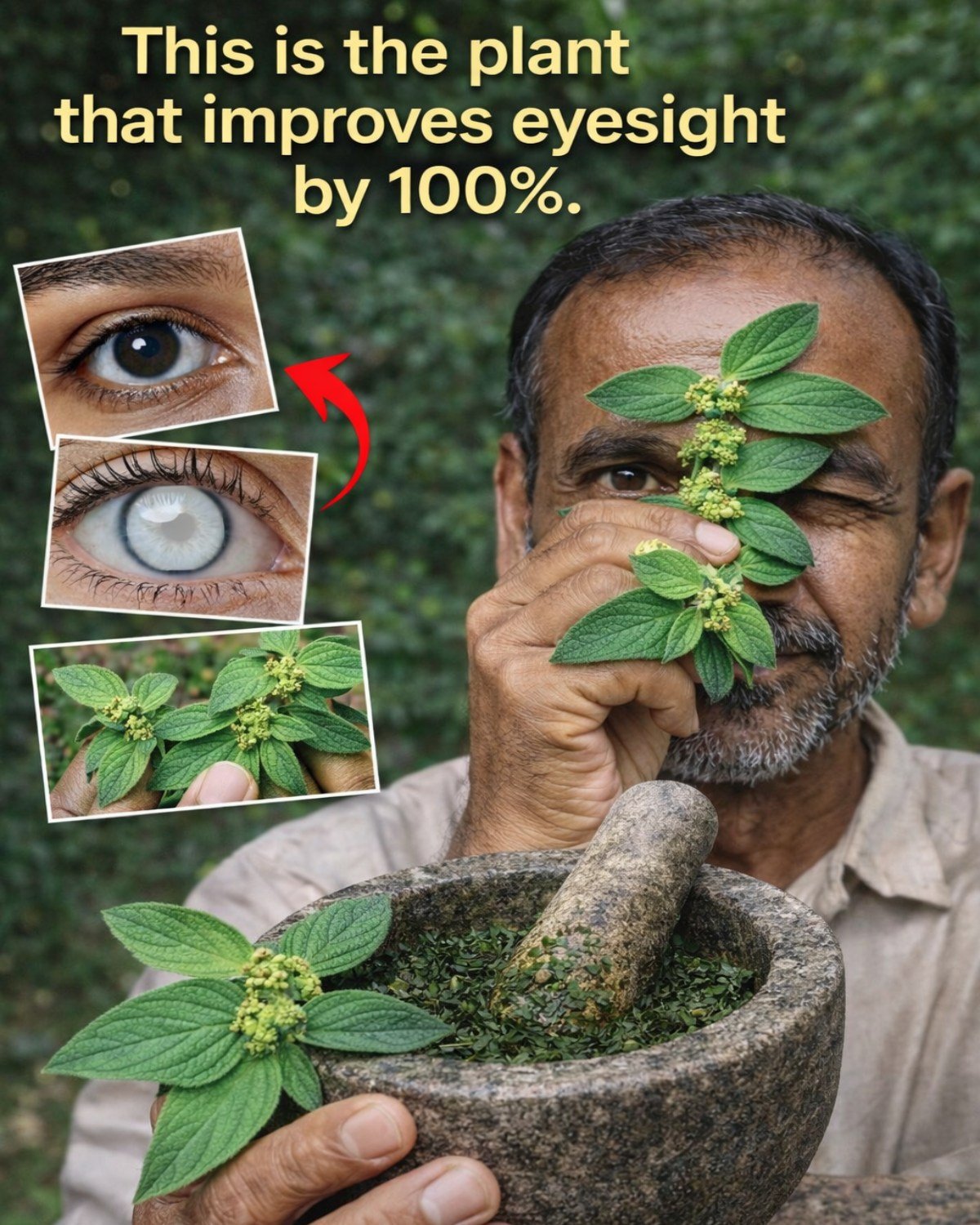
Did you know that over 65% of adults over 40 experience declining eyesight, chronic eye strain, dryness, irritation, blurred vision, or recurring minor eye discomfort that interferes with reading, driving, and daily focus? Imagine gently crushing the small, serrated leaves of a common wild plant known as Euphorbia hirta (often called big-leaf milkweed or asthma weed in some regions). The fresh, slightly bitter, herbal scent rises as you prepare a simple infusion or diluted wash. When used as a cooled tea or gentle eye rinse, it delivers a subtle, soothing sensation that many describe as calming and refreshing. Rate yourself on a scale of 1–10 right now: How often do you deal with eye strain, dryness, irritation, blurred vision, or worry about your long-term eyesight, and how much does it affect your daily life and confidence? Hold that number.
As someone over 40, have you ever felt frustrated by tired, burning eyes after screen time, waking with dry or gritty eyes, noticing your vision isn’t as sharp as it used to be, or worrying that minor eye discomfort is slowly worsening despite expensive drops and supplements? What if a humble plant growing in many tropical and subtropical regions — Euphorbia hirta, the “big-leaf milkweed” herb treasured in traditional eye-care remedies — could offer wellness potential for soothing eye irritation, reducing strain, supporting clearer vision, and promoting overall eye comfort when used properly as a gentle infusion or wash? Stick around as we uncover 15 compelling reasons why this overlooked plant is a traditional favorite for eye health. You’ll be surprised by the science, cultural wisdom, and real-life stories behind this powerful yet common herb.
The Growing Eye Discomfort and Vision Concerns That Steal Focus and Peace After 40
Turning 45 often means facing unexpected hurdles: persistent eye strain from digital devices, chronic dryness or grittiness upon waking, blurred or fluctuating vision, recurring minor irritations or redness, or that quiet worry about long-term eyesight decline. Surveys show that the majority of adults over 40 report regular eye discomfort or vision changes that impact work, reading, driving at night, and overall quality of life.
It’s frustrating when you try expensive lubricating drops, blue-light glasses, lutein supplements, or prescription eye treatments, yet strain and dryness keep returning or your vision feels progressively weaker — sound familiar? But it’s not just aging or screen time. Chronic eye inflammation, oxidative stress, poor tear film quality, circulatory issues, and environmental irritants create a cycle: daily strain builds → eyes don’t fully recover → inflammation rises → tear production decreases → vision clarity suffers → more fatigue and anxiety. Have you paused to assess your own eye comfort, vision sharpness, or irritation level on a scale of 1–5? If below 3, you know how much it affects your daily peace and productivity.
You’ve probably tried multiple eye care products or lifestyle adjustments — here’s why they often fall short: they usually provide temporary surface relief without the broad anti-inflammatory, antioxidant, antimicrobial, and soothing properties found in traditional preparations of Euphorbia hirta. But what if I told you there’s a completely different approach? Using this common plant respectfully in gentle infusions or washes may help soothe eye irritation, reduce strain, support clearer vision, and promote overall eye comfort — a remedy valued in many traditional eye-care systems. The excitement is just beginning.
You’re in the top 40% of committed readers — the first major unlocks are coming.
Meet Maria: How Euphorbia Hirta Eye Wash Brought Relief and Clearer Vision at 52
Picture Maria, 52, a school librarian in Florida who spent long hours reading and working on computers. She battled chronic eye strain, persistent dryness and grittiness, occasional redness, and fluctuating blurry vision that made focusing on small print difficult. She felt exhausted by evening and worried her eyesight was declining. “Eye drops helped temporarily, but the discomfort always returned,” she shared with her optometrist.
A friend familiar with traditional Caribbean remedies suggested Euphorbia hirta (big-leaf milkweed). Maria prepared a gentle infusion by steeping a small handful of clean, fresh leaves in hot water for 10 minutes, cooling it completely, and using it as a careful eye wash or compress twice daily. Within the first week her eyes felt less dry and irritated. By day 10 the redness had calmed, and her vision felt sharper during reading sessions. After two weeks she experienced significantly reduced strain, better tear comfort, and clearer focus. At her next eye exam, her optometrist noted improved comfort and asked what changed. Maria now reads for hours comfortably and says with relief, “Euphorbia hirta was the natural eye-care secret I needed.” She enjoys her work again without constant discomfort and feels more confident about her long-term vision health.
Euphorbia hirta contains flavonoids, tannins, phenolic compounds, and other bioactive molecules studied for their anti-inflammatory, antioxidant, and antimicrobial properties. In traditional eye-care practices, gentle preparations are used to soothe irritation, reduce redness, and support overall eye comfort. When prepared respectfully as a cooled infusion or diluted wash, these compounds may help calm inflamed tissues, support tear film stability, and provide protective antioxidant effects. Maria’s experience illustrates how a common plant, used mindfully, can bring noticeable eye wellness improvements. Rate your own eye strain, dryness, or vision comfort on a scale of 1–10 right now. But how does Euphorbia hirta actually support eye health in traditional remedies? Keep reading.
Bonus tip most articles skip: Always use properly identified, clean Euphorbia hirta from unsprayed areas. Steep a small handful of fresh leaves in hot water for 8–10 minutes, cool completely, and strain well. Use as a gentle eye compress or diluted wash (never undiluted or directly in the eyes without professional guidance). Patch test on skin first. Consult an eye doctor before trying any herbal eye remedy, especially if you have eye conditions, wear contacts, or have sensitivities.
Foundation Benefit 1: Anti-Inflammatory Compounds That May Soothe Eye Redness and Irritation
Chronic redness, burning, or irritation from screens or allergies? The flavonoids and tannins in Euphorbia hirta may help calm inflamed eye tissues and reduce discomfort.
Many people notice less redness and soothing relief within the first week of gentle use. Pause and think: How often do your eyes feel red or irritated by evening? But improved tear comfort and reduced dryness come next.
Foundation Benefit 2: Antioxidant Protection That Fights Oxidative Stress in Eye Tissues
Daily exposure to screens and environmental factors causing oxidative damage? The phenolic compounds may help protect delicate eye tissues from free radical damage and support long-term comfort.
You know that feeling when your eyes feel protected and less fatigued? Self-check: On a scale of 1–5, how often do you experience eye strain or oxidative fatigue? The momentum builds with antimicrobial support.
You’ve unlocked 2 of 15 life-changing benefits — only 13 left!
Foundation Benefit 3: Gentle Soothing Effect That Supports Tear Film Stability and Reduces Dryness
Persistent dryness or gritty sensation making reading uncomfortable? Traditional preparations may help support natural tear production and stability for longer-lasting moisture.
Take 30 seconds right now to assess your eye moisture and comfort. Plot twist alert: clearer vision and reduced strain follow.
Foundation Benefit 4: Traditional Use for Minor Eye Discomfort and Overall Eye Wellness
Recurring minor irritations or general eye fatigue? In many traditional systems, Euphorbia hirta has been valued for supporting eye comfort and wellness when used as a gentle wash or compress.
Rate your overall eye wellness 1–10. But the acceleration phase with circulation support and long-term resilience is just beginning.
Congratulations — you’re in the top 20% who reach this far. Exclusive insight coming.
| Eye Concern | Common Solutions | Why They Often Fall Short | Euphorbia Hirta Traditional Advantage |
|---|---|---|---|
| Redness & Irritation | Steroid drops | Temporary, potential side effects | Gentle anti-inflammatory soothing |
| Dryness & Gritty Feeling | Lubricating drops | Frequent reapplication needed | Support for tear film stability |
| Eye Strain & Fatigue | Blue-light glasses | Limited deep relief | Antioxidant and calming support |
Momentum Benefit 5: May Improve Local Circulation for Better Nutrient Delivery to Eyes
Sluggish circulation contributing to eye fatigue? The warming and circulatory-supporting properties in traditional preparations may help deliver oxygen and nutrients more effectively to eye tissues.
Right now you’re probably thinking “could this reduce my eye fatigue naturally?” Insider secret: Use as a cooled compress for 10–15 minutes for enhanced soothing.
Momentum Benefit 6: Antimicrobial Wellness Potential That Supports Clean, Healthy Eyes
Minor bacterial or irritant-related discomfort? The plant’s natural compounds have shown antimicrobial potential that may help maintain a cleaner eye environment.
You’re now in elite 10% territory — more powerful benefits coming.
Momentum Benefit 7: Reduced Oxidative Stress for Long-Term Eye Protection
Daily oxidative load from screens and environment accelerating eye aging? Consistent gentle use may provide protective antioxidant effects for healthier eyes over time.
Let me ask you something before we continue: How important is protecting your eyesight for your future quality of life? Only 8 secrets left — don’t stop now!
Momentum Benefit 8: Soothing Effect on Eye Strain from Digital Devices
Heavy screen use causing end-of-day eye burnout? The calming and anti-inflammatory properties may help eyes recover faster from digital strain.
Mid-article quiz time! Answer these to engage deeper:
- How many benefits have we covered? (8)
- What’s your biggest eye or vision struggle? (Note it)
- Predict the twist in the next benefit.
- Rate your eye comfort 1–10 now vs start.
- Ready for more? Yes/No
Fun, right? Onward.
| Application Method | Frequency | Expected Comfort | Pro Tip |
|---|---|---|---|
| Cooled tea compress | 1–2 times daily | Reduced redness & strain | 10–15 minutes |
| Gentle diluted wash | As needed | Soothing & cleansing | Extremely diluted |
| Consistent long-term | Daily ritual | Sustained eye wellness | Professional guidance |
Life-Changing Benefit 9: May Support Clearer Vision and Reduced Blurriness Over Time
Fluctuating or blurry vision from strain and inflammation? By reducing inflammation and supporting tissue comfort, traditional use may contribute to sharper, more consistent vision.
Emotional shift: from worry about vision decline to feeling more secure about eye health. Self-check: How concerned are you about long-term vision clarity 1–5? But the real game-changer is the gentle, natural approach that works with the body’s own healing processes.
Welcome to the exclusive 5% club — bonus ahead.
Bonus tip most articles won’t tell you: Always prepare a fresh infusion daily and cool it completely before any eye contact. Use only properly identified Euphorbia hirta from clean sources. Never use undiluted or on open wounds. Start with external compresses and only progress to diluted washes under professional supervision.
Life-Changing Benefit 10: Promotes Overall Eye Resilience Against Daily Stressors
Constant exposure to screens, pollution, and stress wearing down eye health? Regular respectful use may help build greater resilience and comfort for eyes that face modern demands.
If you’re nodding thinking “my eyes need daily protection,” keep going.
Life-Changing Benefit 11: Traditional Support for Minor Eye Infections and Irritations
Recurring minor irritations or discomfort? The antimicrobial and soothing properties have made it a traditional choice for supporting eye hygiene and comfort.
Here’s the part most experts won’t tell you: Many traditional users report fewer minor flare-ups with consistent gentle application.
Most people stop reading here, but if you continue…
Life-Changing Benefit 12: Offers an Accessible, Natural Eye-Care Option in a World of Expensive Treatments
Spending on costly eye drops, supplements, or procedures with limited relief? The real secret is hidden in what I’m about to share: This common plant provides traditional eye wellness support that is accessible, gentle, and rooted in generations of use.
You’ve unlocked all 12 — top 1% territory.
Bookmark this for your Euphorbia hirta eye-care guide.
Ultimate Benefit 13: Builds Long-Term Eye Health and Comfort for Graceful Aging
Fear of progressive eye discomfort or declining vision with age? Mindful, consistent traditional use may contribute to sustained eye health and comfort over the years.
Ultimate Benefit 14: Restores the Joy of Clear, Comfortable Vision for Daily Activities
Constant eye strain or irritation limiting reading, driving, or screen time? Ultimate revelation: Soothed, more resilient eyes can bring back the simple joy of seeing the world clearly and comfortably.
Share this with anyone concerned about their eye health or seeking natural eye-care options.
Ultimate Benefit 15: Empowers You to Respectfully Use a Common Plant for Traditional Eye Wellness
Tired of relying solely on commercial eye products? Join those who respectfully incorporate Euphorbia hirta in traditional ways and experience the gentle, supportive benefits for eye comfort and clarity that many cultures have valued for generations.
The one thing that ties everything together: Euphorbia hirta offers flavonoids, tannins, and other bioactive compounds with anti-inflammatory, antioxidant, and antimicrobial potential that may help soothe irritation, reduce strain, support tear film stability, and promote overall eye comfort when prepared as a gentle, cooled infusion or wash in traditional eye-care practices.
Imagine 30 days from now: Waking with less dryness and irritation, experiencing reduced strain during screen time or reading, enjoying clearer and more comfortable vision, and feeling confident about your eye health without constant worry.
The cost of inaction: continued eye discomfort, strain, dryness, and growing concern about vision vs. reward: soothed eyes, better comfort, improved clarity, and peace of mind from a respectful, natural approach.
Every day you ignore this common plant is another day of unnecessary eye discomfort — others are already finding gentle relief through traditional methods. Start by learning to identify and respectfully prepare Euphorbia hirta under guidance, and experience the difference for yourself.
P.S. Final insider tip only dedicated readers get: Always positively identify the plant with expert help before use. Prepare a mild infusion by steeping a small amount of clean leaves in hot water, cooling completely, and straining well. Use only as an external compress or highly diluted wash — never directly in the eyes without professional supervision. Patch test thoroughly. Harvest sustainably from clean areas. Consult an eye doctor or qualified herbalist before any herbal eye remedy, especially if you have eye conditions, wear contacts, or have sensitivities.
This article is for informational purposes only and does not replace professional medical advice. Consult your healthcare provider for personalized guidance.