Garlic and Ear Health: What It May Offer—and the Safer Ways to Find Relief
Garlic and Ear Health: What It May Offer—and the Safer Ways to Find Relief
Because of this, garlic is sometimes promoted as a home remedy for earaches, ear infections, and earwax. But the ear is delicate, and not every traditional remedy is appropriate to put inside the ear canal. Here’s a gentler, more realistic look at what garlic may offer—and how to protect your ears safely.
Why Is Garlic Associated With Ear Health?
Fresh garlic produces compounds such as allicin when it is chopped or crushed. Laboratory research has shown that garlic compounds can interact with certain bacteria and fungi and have antioxidant and anti-inflammatory activity.
That makes garlic scientifically interesting, but it does not mean homemade garlic oil has been proven to cure an ear infection. Human evidence for putting garlic preparations directly into the ear remains limited.
For everyday wellness, it is better to think of garlic as a nutritious food rather than a replacement for appropriate ear care.
5 Things to Know About Garlic and Your Ears
1. Garlic Has Natural Antimicrobial Compounds
Garlic has demonstrated antimicrobial activity in laboratory studies. This is one reason it has traditionally been associated with minor infections.
However, ear infections can have different causes and may involve different parts of the ear. Some require medical treatment, so garlic should not be relied upon to eliminate an infection.
2. It Contains Compounds Studied for Inflammation
Several sulfur-containing compounds in garlic have been investigated for their effects on inflammatory processes.
While this is promising from a nutritional perspective, there is not enough evidence to say that putting garlic or garlic oil into the ear will reliably relieve inflammation or ear pain.
A warm compress placed against the outside of the ear may be a simpler way to provide temporary comfort.
3. Earwax Usually Does Not Need Home Treatment
Earwax is not simply dirt—it helps protect and lubricate the ear canal. In most people, it naturally moves outward over time.
If wax becomes impacted and causes muffled hearing, pressure, or discomfort, healthcare professionals can recommend appropriate softening drops or remove it safely.
Putting homemade garlic oil into the ear is generally unnecessary and could cause irritation.
4. Fungal Ear Problems Need the Right Diagnosis
Garlic has shown antifungal properties under laboratory conditions, but an itchy or uncomfortable ear does not automatically mean there is a fungal infection.
Similar symptoms can result from eczema, irritation, bacterial infection, or accumulated wax. Correctly identifying the cause is important before choosing treatment.
5. Healthy Ears Usually Need Very Little Cleaning
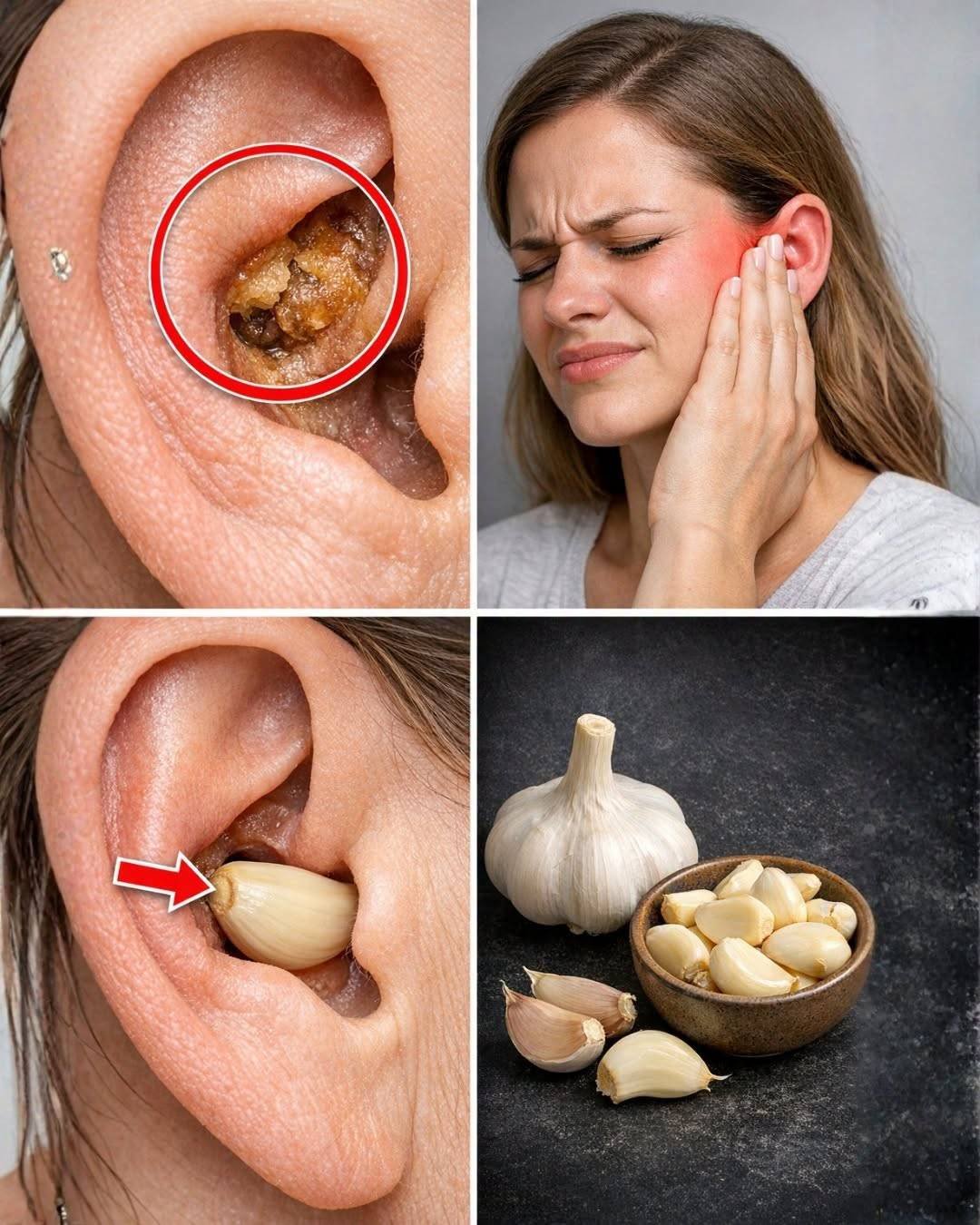
The ear canal is naturally self-cleaning. Avoid inserting garlic cloves, cotton swabs, or other objects into it.
For routine hygiene, gently cleaning the outer ear only is usually sufficient.
A Gentler Option: Warm Compress for Ear Comfort
Instead of inserting homemade preparations into the ear, try a simple warm compress when experiencing mild discomfort.
Soak a clean cloth in comfortably warm water and wring out the excess. Hold it gently against the outside of the affected ear for around 10–15 minutes.
Make sure it is warm rather than hot, particularly when using it for a child.
This approach may provide temporary comfort, but it does not treat the underlying cause of an ear infection.
What About Homemade Garlic Oil?
Traditional recipes often involve warming crushed garlic in olive or coconut oil and placing several drops into the ear.
This approach deserves caution. Homemade mixtures are not sterile, garlic can irritate sensitive skin, and putting liquid into an ear with a damaged or perforated eardrum can potentially cause complications.
For these reasons, it is safer not to put homemade garlic oil, raw garlic, or garlic cloves directly into the ear canal, especially when the cause of the symptoms is unknown.
If earwax is the concern, ask a pharmacist or healthcare professional about products specifically designed for earwax removal.
When Should You Seek Medical Advice?
Occasional mild ear discomfort may resolve on its own, but medical evaluation becomes more important when symptoms are severe or persistent.
Seek professional advice for severe or worsening pain, fluid or blood coming from the ear, sudden or significant hearing changes, dizziness, swelling around the ear, high fever, or symptoms that do not improve. Ear symptoms in babies and young children also deserve particular attention.
Can You Still Include Garlic in Your Wellness Routine?
Absolutely. Garlic can be enjoyed as part of everyday meals and contributes flavor along with naturally occurring plant compounds.
Try adding fresh garlic to soups, vegetables, sauces, beans, or other balanced dishes. This is a straightforward way to enjoy garlic without exposing the sensitive ear canal to concentrated homemade preparations.
Final Thoughts
Garlic is a fascinating traditional ingredient with compounds that have demonstrated antimicrobial and anti-inflammatory activity in research. But evidence supporting homemade garlic remedies inside the ear is much less convincing.
When an ear feels uncomfortable, gentle external warmth may offer temporary comfort. Persistent pain, discharge, hearing changes, or suspected infection should be assessed by a healthcare professional.
The safest approach is simple: enjoy garlic as food, keep objects and homemade mixtures out of the ear canal, and seek appropriate care when symptoms suggest something more than temporary irritation.
SEO Title: Garlic for Ear Health: Potential Benefits, Safety Tips and Gentle Ear Care
Meta Description: Can garlic help with ear discomfort? Explore what research says about garlic, earaches, earwax and infections, plus safer ways to care for your ears at home.
SEO Keywords: garlic for ear health, garlic and earache, garlic oil for ears, natural ear care, ear discomfort relief, garlic benefits, earwax care, warm compress for earache, healthy ear tips, garlic allicin