What Your Urine Color Can Tell You About Your Health
What Your Urine Color Can Tell You About Your Health
Many people never think twice about the color of their urine — but this everyday detail can offer gentle clues about hydration, nourishment, and overall balance. 🌿
While urine color doesn’t diagnose health conditions on its own, it works like a built-in wellness indicator you can check anytime. Think of it as your body’s quiet way of saying, “Hey, here’s how I’m doing today.”
Below is a friendly, easy-to-understand guide on what different urine colors may mean — and when you might consider adjusting your habits or seeking professional advice.
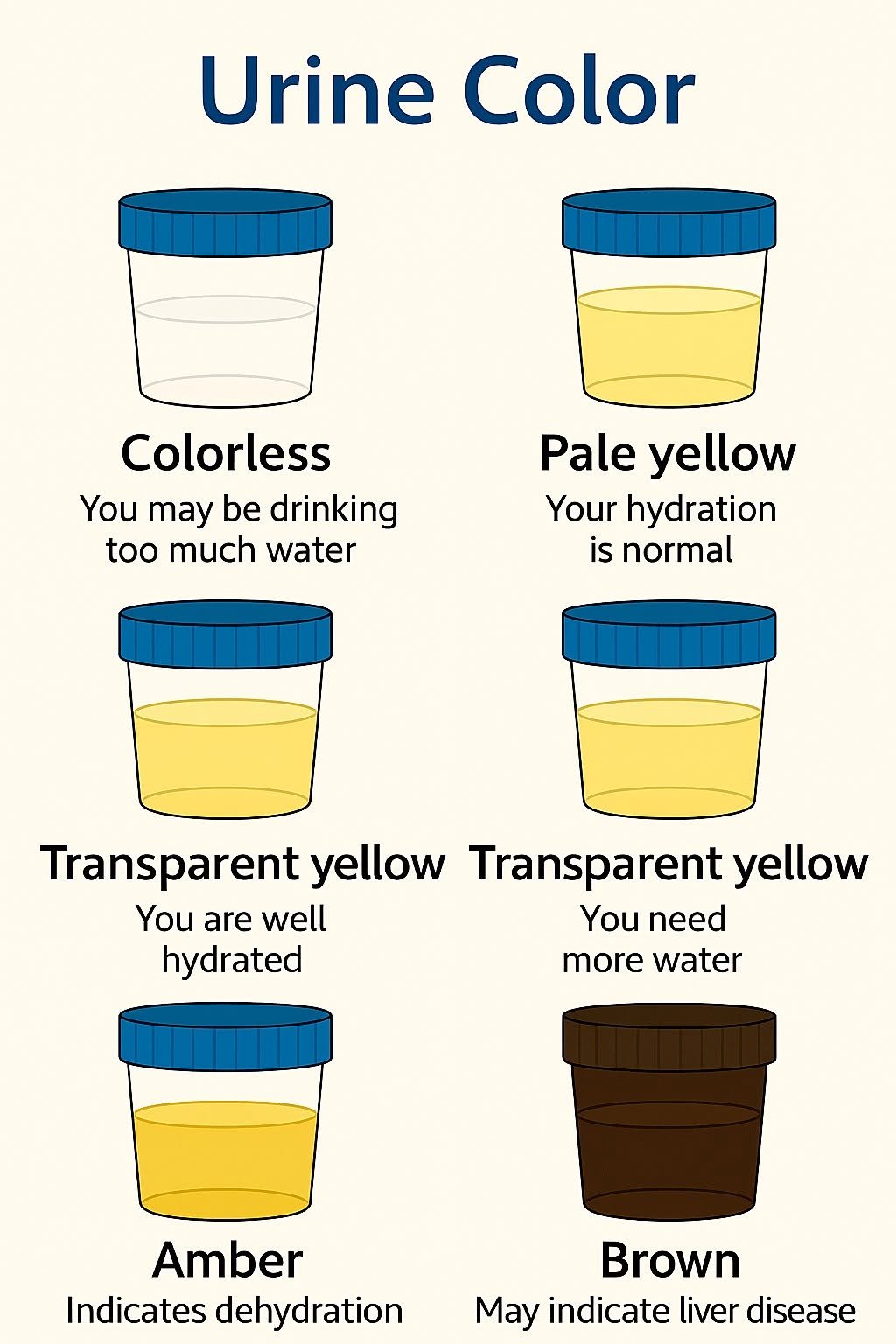
1. Clear or Very Pale Yellow
What it may indicate:
You’re likely very well hydrated — or possibly drinking a bit more water than your body needs.
Wellness tip:
Balance matters. Too much water can dilute important minerals. Sip regularly throughout the day but avoid forcing large amounts.
2. Pale Yellow (The Ideal Zone)
What it may indicate:
This is often considered the “perfect” hydration shade.
Why it matters:
This color suggests your kidneys, digestion, and energy levels have the hydration support they need for smooth functioning.
3. 🌙 Dark Yellow or Amber
What it may indicate:
Mild dehydration or long gaps between drinks.
What to do:
Enjoy a glass of water, coconut water, or an herbal tea. Your body might simply be asking for more fluids.
4. honey or Light Brown
What it may indicate:
Possible dehydration — or, in some cases, it may relate to liver or bile changes.
Wellness tip:
Start by hydrating well. If this shade appears frequently, consider checking with a healthcare professional.
5. Pink or Red
What it may indicate:
Often caused by foods like beets, berries, or food dyes.
But it can also suggest the presence of blood.
Caution:
If it happens without eating red/purple foods, or continues for more than a day, it’s best to speak with a doctor.
6. Orange
What it may indicate:
Dehydration, certain supplements, or medications.
Sometimes it can point to changes in bile or liver processing.
Self-care tip:
Increase your water intake and observe. If it persists, get professional guidance.
7. Blue or Green
What it may indicate:
Very rare — usually due to food dyes, certain medications, or uncommon conditions.
Important note:
If you haven’t eaten anything that could cause it, consider reaching out to a healthcare expert.
8. Foamy or Bubbly
What it may indicate:
Occasional bubbles are normal. Consistent foaminess may sometimes suggest increased protein in the urine.
Gentle suggestion:
If this happens regularly, especially with other symptoms, it’s worth mentioning to your doctor.
Final Thoughts: Your Body Speaks — Learn to Listen
Urine color is one of the simplest ways to stay aware of your body’s daily needs. 🌿
Staying hydrated, fueling yourself with nourishing foods, and paying attention to small changes can help support natural balance. And remember: when something feels unusual or continues for several days, it’s always okay to seek professional advice.