Don’t Pull That “Weed” Out of Your Garden Just Yet—It Could Be More Valuable Than You Think
Don’t Pull That “Weed” Out of Your Garden Just Yet—It Could Be More Valuable Than You Think
When we see an unfamiliar plant growing between garden beds, along pathways, or in the cracks of a driveway, our first instinct is often to pull it out. We call it a weed, toss it into the compost or trash, and move on.
But sometimes, that little plant deserves a closer look.
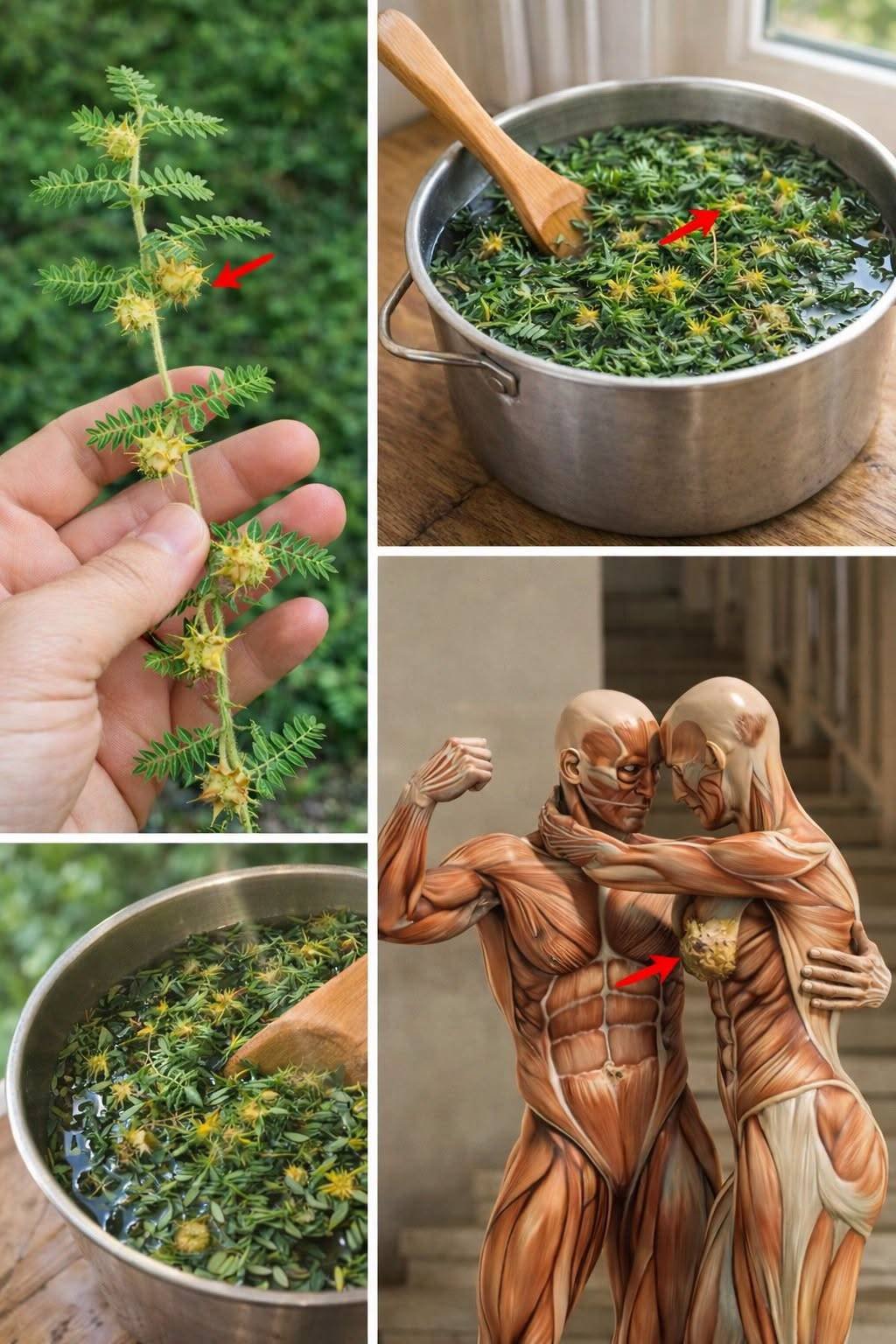
Across gardens and fields, many plants commonly dismissed as weeds have useful properties. Some are edible, some have traditional uses, some provide important food for pollinators, and others can tell us something about the health and condition of the soil.
A hidden resource growing in plain sight
The word “weed” doesn’t necessarily describe a particular type of plant. It simply refers to a plant growing where people don’t want it. A plant considered undesirable in a perfectly manicured lawn might be valuable somewhere else.
Dandelions, purslane, nettles, chickweed and several other wild plants have long been used by people for food or traditional purposes. Some can provide vitamins, minerals or other plant compounds, while others support insects and wildlife.
That means the next time you discover an unfamiliar plant in your garden, immediately reaching for the shovel may not be the best approach.
Why identification matters
The important thing is not to assume that every garden weed is useful—or safe.
Many plants look remarkably similar to one another, and some can be poisonous. A plant should never be eaten or used medicinally simply because it resembles a photograph or because someone online claims that it has extraordinary benefits.
Before using an unfamiliar plant, identify it carefully using several characteristics, including its leaves, flowers, stem, growth pattern and location. When there is any uncertainty, consult a qualified botanist, horticultural expert or reliable plant-identification resource.
Your garden may be doing more than you realize
Even plants that aren’t useful to humans can have an important role in the garden. Wild plants can provide habitat and food for insects, help protect exposed soil and contribute organic matter when managed appropriately.
Rather than viewing every unexpected plant as an enemy, gardeners can sometimes take a moment to ask a different question:
What is this plant, and why is it growing here?
That simple question can turn an annoying patch of greenery into an opportunity to learn something about local biodiversity, gardening and the natural world.
So before you pull that mysterious plant from your garden, take a closer look. It may be nothing more than an unwanted weed—but it could also be an edible wild plant, a valuable part of the local ecosystem, or simply a fascinating species that you’ve overlooked.
Sometimes, the most interesting discoveries aren’t found in a store or a laboratory.
They’re growing quietly beneath our feet.