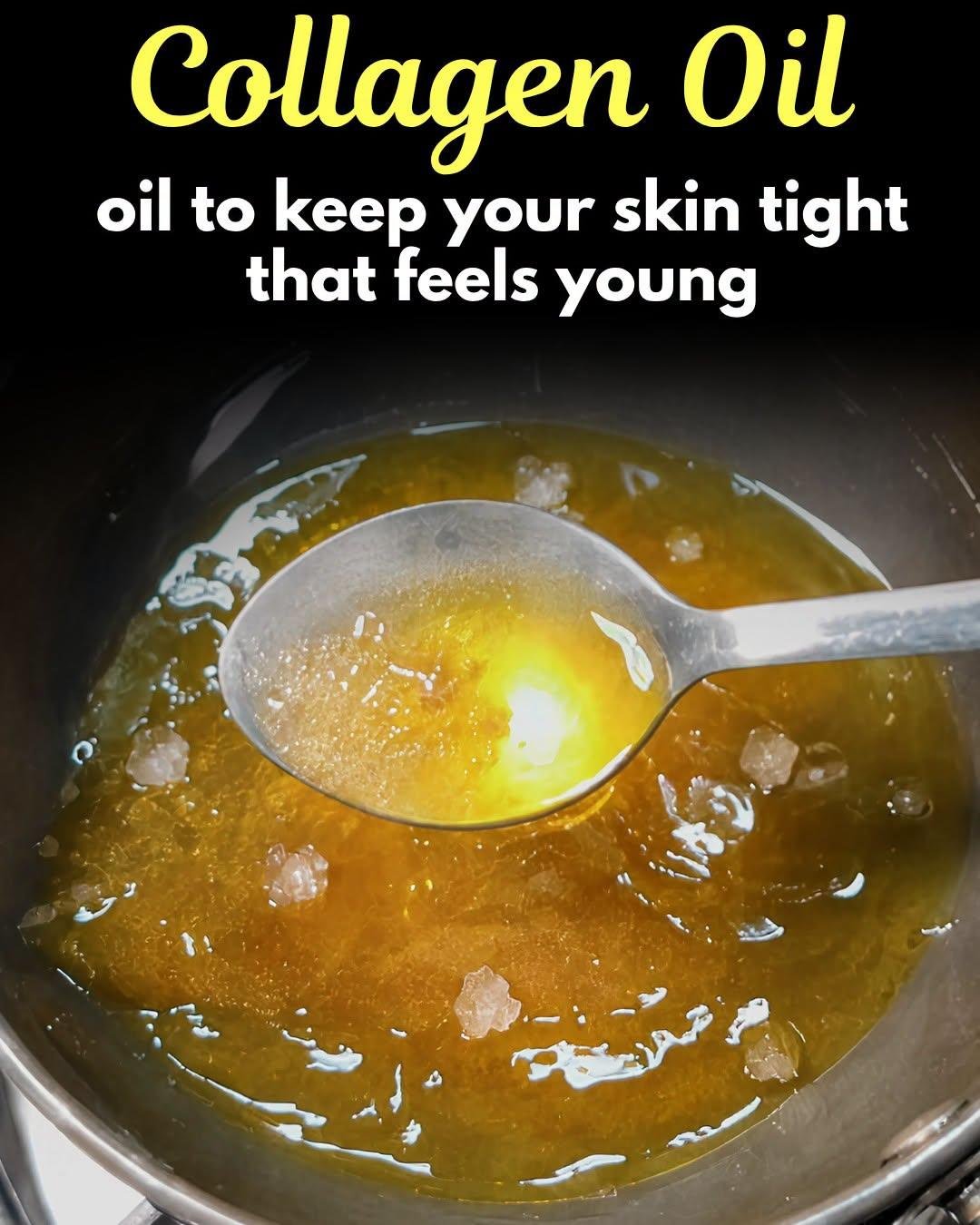
Turmeric face oil for anti-aging
Turmeric face oil for anti-aging
Curcumin, the yellow compound in turmeric, is fat soluble. Which is the whole reason this recipe exists. The haldi-and-curd pack most of us grew up with extracts almost none of it, and oil does the job properly.
What you need
- 3 tbsp jojoba oil
- 1 tbsp rosehip seed oil, cold pressed, the reddish-orange kind
- 1 tsp turmeric powder. Kasturi manjal if you can find it
- 1/4 tsp vitamin E oil, or squeeze out two capsules
- one 30 ml amber glass dropper bottle, washed and fully dry
Don’t use fresh turmeric root. The water in it grows mould inside the oil, and you won’t notice until the whole batch smells wrong three weeks later.
How to make it
- Set up a double boiler. A steel bowl sitting over a pan of simmering water is fine. Never put the oil over direct flame.
- Add the jojoba oil and the turmeric powder. Rosehip stays out for now.
- Keep it warm for two hours. Warm enough that a drop on your wrist feels hot but not painful, nowhere near smoking. Stir every twenty minutes.
- Take it off the heat and let it cool all the way down. Overnight is better, because the sediment settles.
- Strain it through a coffee filter. Then strain that strained oil a second time. The first pass catches the powder. The second catches the fine silt that would otherwise sink to the bottom of your bottle and make the oil feel gritty by week three.
- Now stir in the rosehip and the vitamin E. Both are heat sensitive, which is why they go in cold.
- Bottle it and cap it tight.
You’ll end up with roughly 25 ml. The filter paper keeps more than you expect.
Why infuse it instead of masking with it
Curcumin doesn’t dissolve in water. So a ten-minute besan-and-haldi pack is mostly giving you surface stain, not compound. Fat is a different situation entirely. Warm oil pulls the curcuminoids out of the powder and holds them, and oil is also the vehicle your skin barrier is most willing to let through.
What curcumin appears to do, going by the lab work: it mops up free radicals, and more interestingly it seems to suppress MMPs, the enzymes that break down collagen after UV exposure. Slowing collagen loss is a quieter route to firmer skin than building new collagen, but it’s a real one.
I’m not going to pretend the human evidence is strong. Most of what we know about topical curcumin comes from cell cultures and animal studies. A few small trials on curcumin creams for photoaging have shown improvement in fine lines, and “small” is carrying weight in that sentence. Treat this as a well-reasoned antioxidant oil, not a proven wrinkle treatment.
The rosehip isn’t filler, by the way. It’s high in linoleic acid and carries traces of vitamin A compounds, and of everything in this bottle it has the most direct research behind it for fine lines and texture. If you only had money for one bottle, I’d tell you to buy rosehip and skip the turmeric.
What it won’t do
It won’t flatten deep folds. It won’t do what a prescription retinoid does, and anyone telling you a kitchen oil competes with tretinoin is selling something. Sagging is a structural problem and oil is a surface ingredient.
And none of this matters much if you’re not using sunscreen. UV is where the damage comes from. The oil is playing defence on a small part of the field.
How to use it
Three or four drops at night, on slightly damp skin, pressed in with your palms. Don’t rub. Rubbing spreads it around without helping it absorb.
Patch test behind your ear for two nights first. Turmeric contact dermatitis isn’t common but it isn’t unheard of either, especially if you already react to ginger or cardamom.