7 Foods That May Support Healthy Blood Flow and Heart Health
7 Foods That May Support Healthy Blood Flow and Heart Health
Your diet plays an important role in cardiovascular health. Along with regular physical activity, adequate sleep, healthy blood pressure, and other lifestyle habits, certain foods can provide nutrients and plant compounds that support normal blood vessel function and overall heart health.
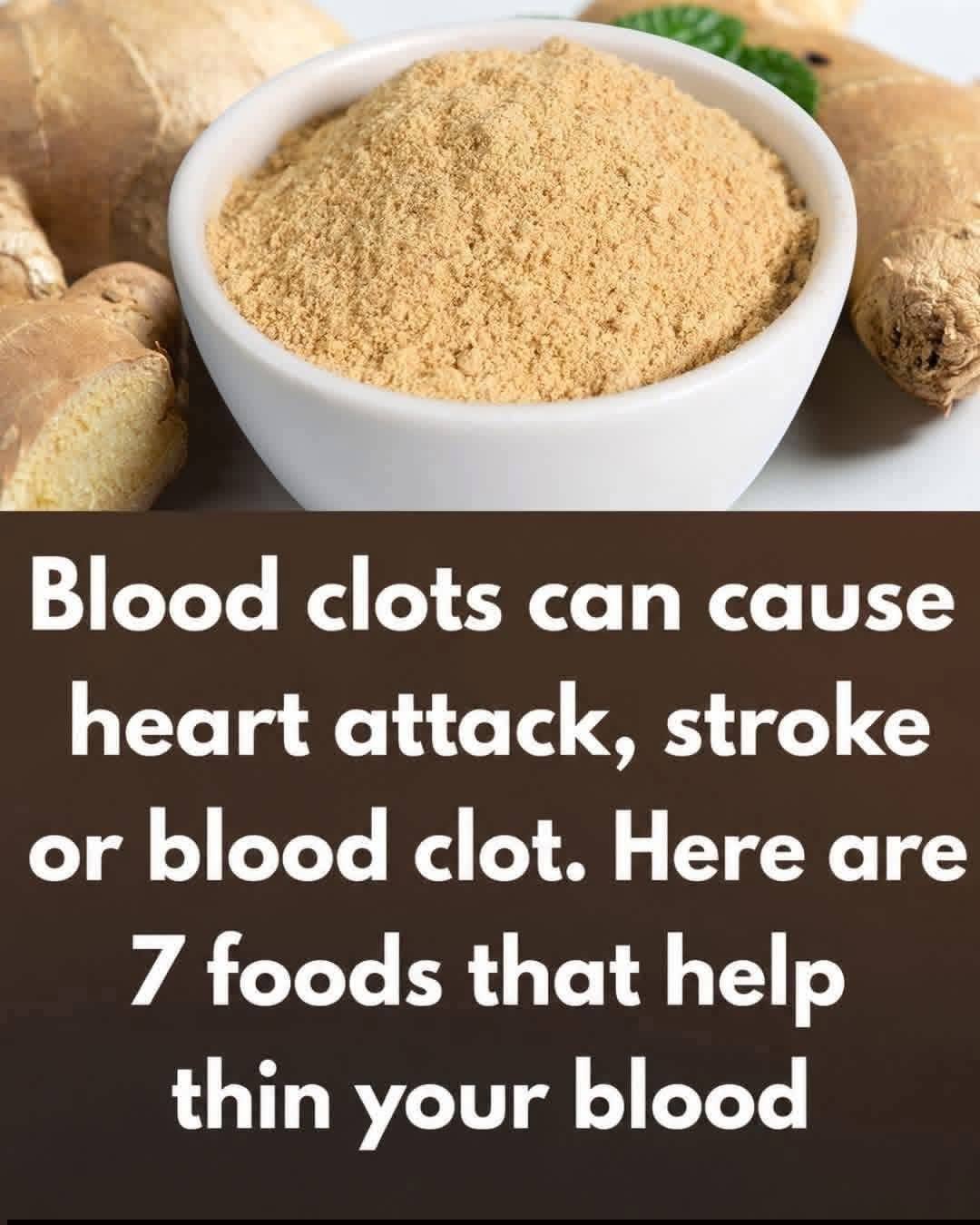
Garlic, ginger, turmeric, berries, fatty fish, leafy greens, and other nutrient-rich foods are often discussed for their potential cardiovascular benefits.
However, it is important to understand that foods are not natural substitutes for prescription blood thinners. If you take anticoagulant or antiplatelet medication, changing your diet or adding supplements should be discussed with your healthcare professional.
Here are seven foods that can be part of a heart-healthy eating pattern.
Why Healthy Blood Flow Matters
Your circulatory system delivers oxygen and nutrients throughout your body.
Problems involving blood vessels, blood pressure, cholesterol, or abnormal blood clotting can increase the risk of serious cardiovascular conditions.
A heart-healthy lifestyle can include:
- Eating a balanced diet
- Staying physically active
- Maintaining a healthy weight
- Avoiding tobacco
- Managing blood pressure
- Managing cholesterol
- Getting adequate sleep
- Following prescribed medical treatment
Food is one part of this bigger picture.
1. Turmeric
Turmeric is a bright yellow spice containing curcumin and other naturally occurring plant compounds.
Curcumin has been studied for its antioxidant and anti-inflammatory properties, although evidence that turmeric or curcumin supplements can prevent blood clots in humans is not strong enough to treat them as anticoagulants.
How to Use Turmeric
Add turmeric to:
- Soups
- Rice dishes
- Curries
- Roasted vegetables
- Smoothies
- Golden milk
Black pepper is often combined with turmeric because piperine can increase the absorption of curcumin.
Important Consideration
Concentrated curcumin supplements can interact with medications and may not be appropriate for everyone. Food-level amounts are different from high-dose supplements.
2. Garlic
Garlic contains sulfur-containing compounds that have been extensively studied for their potential cardiovascular effects.
Regularly including garlic as part of a balanced diet may support overall heart health. Some research has also examined its effects on blood pressure and cholesterol.
Easy Ways to Eat Garlic
Use fresh garlic in:
- Salads
- Soups
- Beans
- Pasta
- Sauces
- Roasted vegetables
- Homemade dressings
Garlic should be viewed as a nutritious food rather than a replacement for prescribed cardiovascular medication.
3. Ginger
Ginger contains bioactive compounds such as gingerols and is widely used in cooking and traditional food practices.
It may provide antioxidant and anti-inflammatory effects and can be a flavorful addition to a heart-healthy diet.
How to Add Ginger to Your Diet
Try:
- Fresh ginger tea
- Stir-fries
- Smoothies
- Soups
- Homemade dressings
- Lemon and ginger drinks
If you take blood-thinning medication, speak with your healthcare professional before using large amounts of ginger supplements.
4. Fatty Fish
Fatty fish are an excellent source of omega-3 fatty acids, particularly EPA and DHA.
These healthy fats are associated with cardiovascular benefits and can be part of a balanced diet designed to support heart health.
Good Choices Include
- Salmon
- Sardines
- Mackerel
- Herring
- Trout
Aim to include fish as part of a varied diet rather than relying on fish oil supplements without medical advice.
5. Leafy Green Vegetables
Leafy greens such as spinach, kale, and Swiss chard provide fiber, folate, potassium, magnesium, and other nutrients that support overall cardiovascular health.
They also contain vitamin K, which plays an important role in normal blood clotting.
Important Note for People Taking Warfarin
If you take warfarin, you generally do not need to completely avoid leafy greens. Instead, maintaining a consistent intake of vitamin K-containing foods is important because sudden major changes in vitamin K intake can affect warfarin management.
Talk with your healthcare professional before making substantial dietary changes.
6. Berries
Berries are rich in polyphenols and other antioxidant compounds.
Strawberries, blueberries, raspberries, and blackberries can be easy additions to a heart-conscious diet.
Simple Ways to Eat More Berries
Add them to:
- Oatmeal
- Greek yogurt
- Smoothies
- Fruit salads
- Whole-grain cereal
Choose whole berries more often than heavily sweetened juices or processed berry products.
7. Nuts and Seeds
Nuts and seeds provide healthy fats, fiber, minerals, and plant-based nutrients.
Walnuts, almonds, chia seeds, and flaxseeds can be included in a balanced eating pattern that supports cardiovascular wellness.
How to Include Them
Try adding a small portion to:
- Oatmeal
- Yogurt
- Salads
- Smoothies
- Whole-grain meals
Because nuts and seeds are calorie-dense, portion size still matters if you’re managing your weight.
Do These Foods Actually “Thin the Blood”?
The phrase “blood-thinning foods” can be misleading.
Prescription anticoagulants and antiplatelet medications are specifically designed to affect blood clotting or platelet activity. Ordinary foods generally do not have an equivalent, predictable effect.
Some foods and supplements contain compounds that may influence platelet activity or other cardiovascular pathways, but this does not mean they can safely prevent or treat a blood clot.
If you have been prescribed a blood thinner, continue taking it exactly as directed unless your healthcare professional tells you otherwise.
Foods and Supplements That May Interact With Blood Thinners
Some foods, herbs, and supplements can interact with anticoagulant or antiplatelet medications.
Particular caution may be appropriate with concentrated supplements or large dietary changes involving ingredients such as:
- Garlic supplements
- Ginger supplements
- Turmeric or curcumin supplements
- Ginkgo biloba
- Fish oil supplements
- High-dose vitamin E
The effect depends on the medication, dose, and individual health circumstances.
Always tell your doctor, dentist, pharmacist, or other healthcare professional about supplements you use.
Healthy Habits That Support Circulation
Diet is only one part of cardiovascular health.
Stay Physically Active
Regular physical activity supports cardiovascular fitness and healthy circulation.
Walking, cycling, swimming, and other suitable activities can be excellent options.
Maintain a Healthy Weight
Maintaining a healthy weight can reduce several cardiovascular risk factors, including high blood pressure and abnormal cholesterol levels.
Avoid Smoking
Smoking damages blood vessels and significantly increases cardiovascular risk.
Stopping smoking is one of the most important steps you can take for heart health.
Stay Hydrated
Drink adequate fluids throughout the day according to your individual needs.
However, dehydration is not the only cause of circulation problems, and drinking extra water cannot treat a blood clot.
Manage Blood Pressure and Cholesterol
Regular health checks can help identify high blood pressure and abnormal cholesterol levels.
If medication is prescribed, take it as directed.
Signs of a Possible Blood Clot
Do not try to treat suspected blood clots with food or home remedies.
Possible symptoms of a deep vein thrombosis (DVT) can include:
- Swelling in one leg
- Leg pain or tenderness
- Warmth
- Redness or discoloration
A blood clot that travels to the lungs can cause a pulmonary embolism.
Sudden shortness of breath, chest pain, coughing up blood, rapid heartbeat, or fainting requires emergency medical attention.
When to Speak With Your Doctor
Talk with a healthcare professional if you:
- Take warfarin or another anticoagulant
- Take aspirin or another antiplatelet medication
- Have a history of blood clots
- Have a bleeding disorder
- Are considering herbal supplements
- Are planning a major dietary change
- Have unexplained bruising or bleeding
Do not stop or change prescribed blood-thinning medication because of information found online.
Final Thoughts
There is no single food that can safely “thin your blood” or replace medical treatment for blood clots.
However, a diet rich in vegetables, fruits, whole grains, nuts, seeds, fish, and other minimally processed foods can contribute to better cardiovascular health.
Turmeric, garlic, ginger, fatty fish, leafy greens, berries, and nuts can all fit into a nutritious eating pattern.
The most important approach is to think beyond individual foods. Regular exercise, avoiding tobacco, maintaining healthy blood pressure and cholesterol, getting adequate sleep, and following your healthcare professional’s recommendations are all important for protecting your heart and circulation.
Food can support your health, but suspected blood clots and cardiovascular conditions require proper medical evaluation and treatment.