
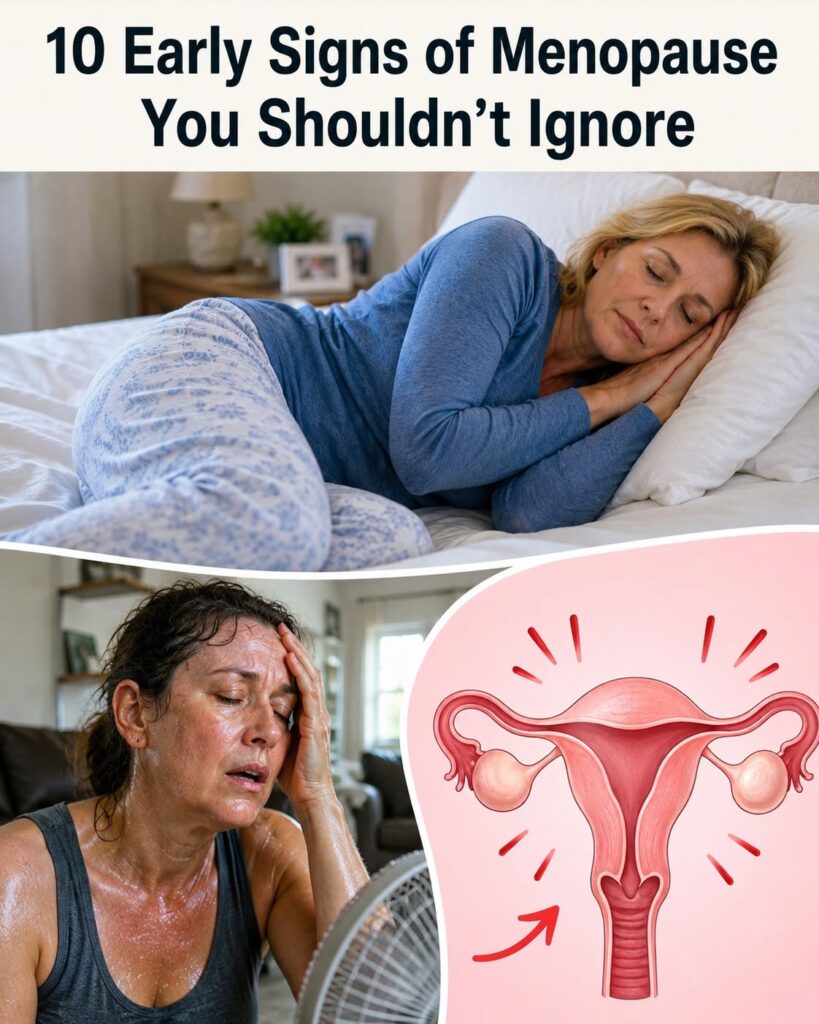
Many women in their 30s and early 40s begin noticing unexpected shifts in their bodies that feel confusing and unsettling. Irregular cycles, sudden waves of heat, or nights spent staring at the ceiling can quickly turn everyday routines into sources of stress and frustration. These changes often leave women wondering why their energy feels drained or why simple tasks now seem harder, adding worry about what lies ahead for their health and daily life.
Early menopause can be behind many of these experiences, and while the signs deserve attention, the encouraging part is that understanding them gives you a clearer path forward. The real insights emerge when we look closely at what these signals mean and the gentle steps many women explore to support themselves.
Understanding What Early Menopause Involves
Early menopause describes the point when menstrual periods stop for good before age 45. For some women this arrives earlier than the more typical age around 51, bringing a longer stretch of time with shifting hormone levels. Many describe feeling caught off guard, as if their body’s timeline has changed without warning, which can stir up questions and a quiet sense of loss around plans they once held.
Living with early menopause sometimes means adjusting sooner than expected to new patterns in energy, mood, and physical comfort. This adjustment period can feel isolating when friends or family do not fully grasp the daily ups and downs. Health organizations note that early menopause affects roughly one in twenty women before age 45, reminding us these experiences are shared by more people than many realize.
The truth is that early menopause is not only about periods ending. It can touch many areas of well-being, which is why paying attention early often helps women feel more prepared and less alone in the process.
 How Changes in Your Menstrual Cycle May Signal Early Menopause
One of the earliest clues for many women involves shifts in their monthly cycle. Periods may arrive closer together, stretch further apart, become heavier or much lighter, or include unexpected spotting. These irregularities often spark immediate worry about whether something serious is happening or whether pregnancy is still possible, creating ongoing mental load.
Early menopause frequently brings this unpredictability, and the constant tracking or planning around an unreliable cycle can heighten daily stress. Many women report feeling anxious each month, never quite sure what to expect, which affects everything from travel plans to intimate moments.
But that is not the whole picture. When cycle changes appear alongside other signals before age 45, it becomes worth noting the full pattern rather than brushing any single change aside.
 Hot Flashes and Night Sweats That Often Come with Early Menopause
Sudden rushes of heat that spread across the face, neck, and chest can arrive without warning, sometimes followed by chills or heavy sweating. For women experiencing early menopause, these episodes may happen during the day in meetings or at night, soaking sheets and pajamas and breaking rest into fragments.
Early menopause tends to intensify these vasomotor symptoms for some, turning a quick flash into a recurring disruption that leaves clothes damp and confidence shaken in social or professional settings. The embarrassment or discomfort can add another layer of tension to already busy days.
Night sweats compound the issue by interrupting the deep sleep the body needs to recover. Waking repeatedly feeling overheated and then chilled often leads to next-day fatigue that makes concentration and patience harder to maintain.
 Sleep Difficulties and the Toll They Take During Early Menopause
Trouble falling asleep or staying asleep appears frequently with early menopause, even when night sweats are not the main culprit. Hormonal shifts can affect the body’s natural rhythm, leaving many women lying awake with racing thoughts or waking too early and unable to return to rest.
Early menopause often magnifies these sleep challenges, and the resulting exhaustion can ripple into every part of life—work performance drops, mood becomes harder to steady, and simple errands feel overwhelming. The frustration of knowing you need rest yet cannot find it only adds to the emotional weight.
Over time, poor sleep can also affect how the body handles other changes, creating a cycle that many women describe as one of the hardest parts to manage on their own.
 Mood and Emotional Shifts Associated with Early Menopause
Irritability, sudden sadness, or anxiety that feels out of proportion to the situation can appear during early menopause. These mood changes are not simply “in your head”; shifting hormone levels influence brain chemistry, and the added stress of physical symptoms often makes emotional balance more difficult to maintain.
Early menopause can intensify these swings, leaving women feeling unlike themselves and sometimes straining relationships at home or work. Many describe a sense of losing their usual patience or joy in activities they once loved, which adds another quiet grief to the experience.
The encouraging news is that recognizing the connection between hormones and mood helps many women extend more compassion to themselves and seek supportive conversations with trusted people or professionals.
 Comfort and Intimacy Considerations in Early Menopause
Lower estrogen levels associated with early menopause can lead to vaginal dryness, itching, or discomfort during intimacy. These physical changes often arrive earlier than expected and can make closeness feel painful or less appealing, creating distance in relationships and chipping away at self-image.
Early menopause sometimes brings reduced desire alongside the physical discomfort, and the combination can leave women feeling disconnected from their bodies and partners. The worry about whether this is permanent or how to talk about it adds another private burden.
Gentle approaches focused on comfort and open communication often become part of the conversation when women bring these concerns to their healthcare providers.
 Mental Clarity and Focus Challenges Linked to Early Menopause
Brain fog—forgetfulness, trouble concentrating, or a mental haze—appears in many accounts of early menopause. Estrogen plays a role in cognitive function, so when levels shift earlier than usual, some women notice it becomes harder to stay sharp during meetings or remember everyday details.
Early menopause can make these cognitive moments more noticeable, and the fear of “losing it” or appearing less capable at work or home adds performance pressure on top of everything else. Many women describe double-checking tasks they once handled automatically, which increases mental fatigue.
Research continues to explore these connections, and simply knowing the link exists often reduces the secondary anxiety that comes from wondering “what is wrong with me?”
 Energy Levels, Body Changes, and Early Menopause
Fatigue that does not improve with rest, along with gradual shifts in weight distribution, skin dryness, or hair thinning, can accompany early menopause. Metabolism and body composition sometimes change earlier, and these physical differences can affect how clothes fit and how strong or vibrant women feel in their own skin.
Early menopause may bring these changes at a stage of life when many still expect high energy for career, family, or personal goals. The mismatch between how the body feels and how it “should” feel can fuel frustration and self-doubt.
Why Early Menopause Awareness Matters for Your Overall Well-Being
Early menopause means the body experiences lower estrogen levels for a longer period than in typical menopause. Some studies associate this longer exposure with considerations around bone density and cardiovascular health later in life. Recognizing the signs early allows women to discuss personalized monitoring and supportive habits with their healthcare team.
Early menopause does not define a woman’s future, but awareness helps shift the focus from surprise and worry to informed action. Many women find that small, consistent choices around movement, nourishment, and rest become meaningful parts of their routine once they understand the bigger picture.
Actionable Habits That May Support You Through Early Menopause
Here are practical steps many women explore when navigating early menopause. These are general suggestions; what works best varies, so partnering with a healthcare provider remains essential.
- Track your cycle and symptoms in a simple journal or app so patterns become clearer and conversations with your provider have solid details.
- Schedule a check-up to discuss your experiences; tests can help rule out other causes and open the door to tailored guidance.
- Protect sleep by keeping a cool, dark bedroom, consistent bedtime, and limiting screens before rest.
- Include weight-bearing activities such as walking, resistance training, or yoga several times a week to support bone and mood health.
- Choose meals rich in calcium, vitamin D, leafy greens, and healthy fats while staying hydrated and moderating caffeine and alcohol if they trigger symptoms.
- Build stress relief into daily life through deep breathing, short walks, or talking with a friend or counselor.
- Stay curious and connected—reputable health resources and supportive communities can reduce the sense of isolation while you learn what feels right for your body.
Frequently Asked Questions About Early Menopause
What is the difference between early menopause and perimenopause?
Perimenopause is the transition phase when periods become irregular and symptoms appear, but periods have not stopped completely. Early menopause is confirmed after 12 consecutive months without a period before age 45.
Can early menopause affect fertility?
Yes, once periods have stopped for a full year, natural conception is no longer possible. Women who wish to preserve options sometimes explore fertility preservation earlier with a specialist.
Are there habits that may help women feel more comfortable during early menopause?
Many women find that consistent sleep routines, regular movement, balanced nutrition, stress management, and open conversations with healthcare providers offer meaningful support. Results vary, and professional guidance helps tailor approaches safely.
Moving Forward with Greater Understanding
Recognizing the signs of early menopause does not mean your best years are behind you. It means you now have more information to care for yourself with intention. Many women describe a sense of relief and renewed agency once they understand what their bodies have been signaling and begin exploring supportive steps alongside trusted professionals.
Disclaimer: This article is for general informational purposes only and does not constitute medical advice. It is not intended to diagnose, treat, cure, or prevent any condition. Always consult a qualified healthcare professional for personalized guidance regarding your health and any symptoms you experience.