White Bumps in Your Mouth: Common Causes, Symptoms, and When to See a Doctor
White Bumps in Your Mouth: Common Causes, Symptoms, and When to See a Doctor
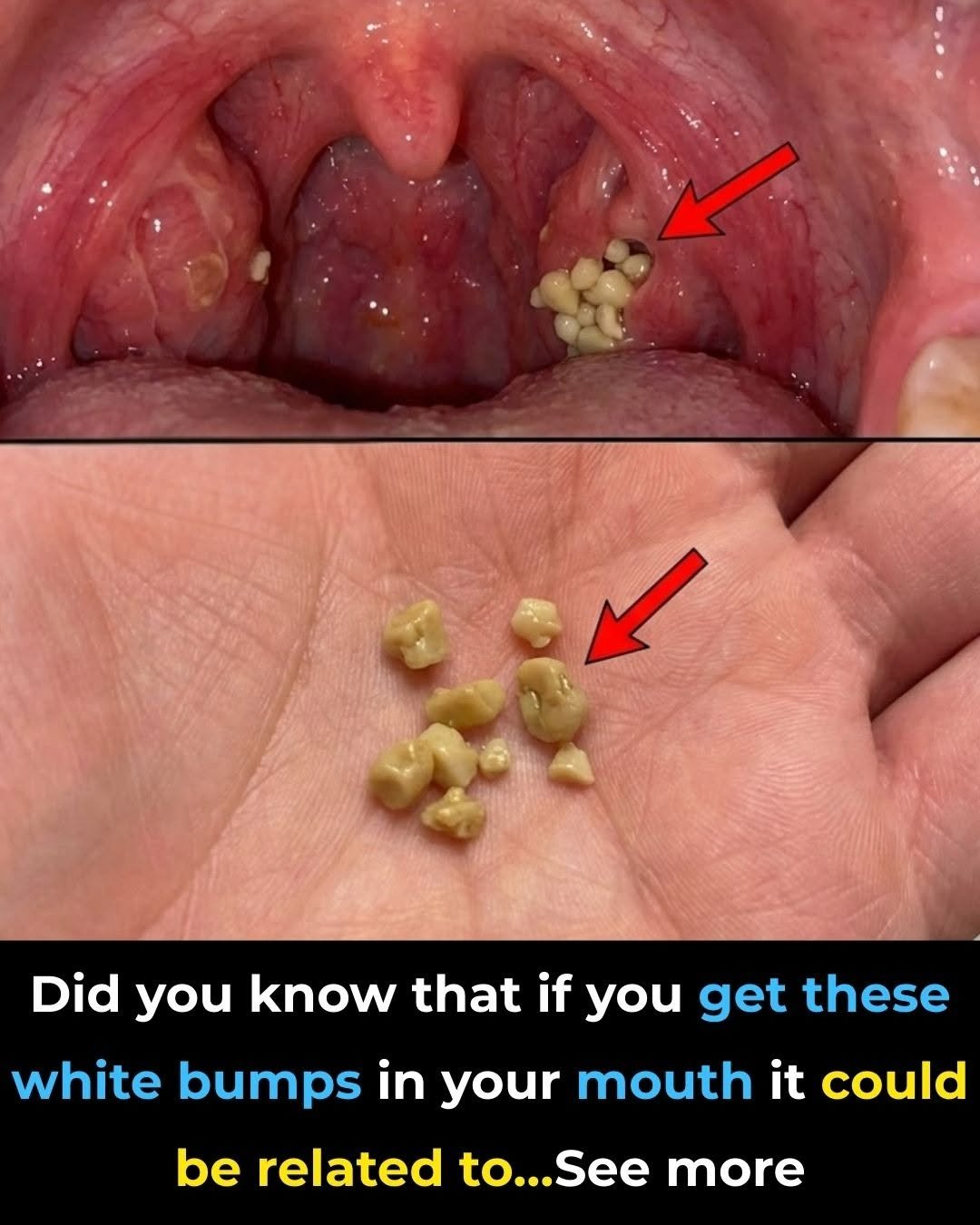
Did you know that if you get white bumps in your mouth, they can have several different causes?
Sometimes a small white bump is temporary and harmless. In other cases, it may be related to irritation, an infection, an oral condition, or another health issue that needs professional evaluation.
The appearance, location, duration, and symptoms that occur with the bump can provide useful clues. However, it is not possible to determine the exact cause from appearance alone.
Here are some common reasons you may notice white bumps or spots inside your mouth.
What Can Cause White Bumps in the Mouth?
White bumps can appear on the tongue, inside the cheeks, gums, lips, roof of the mouth, or other areas.
Common possibilities include canker sores, irritation, oral thrush, blocked or irritated salivary glands, and other oral conditions.
1. Canker Sores
Canker sores are small, painful ulcers that can develop inside the mouth.
They may initially appear as a small bump or irritated area and can develop a white or yellowish center surrounded by redness.
Canker sores commonly occur on:
- The inside of the lips
- The inside of the cheeks
- The tongue
- The soft tissues of the mouth
Minor canker sores often heal on their own within one to two weeks.
What May Help?
Avoid foods that irritate the area, such as very spicy, acidic, or salty foods.
Maintaining good oral hygiene can also help keep the mouth healthy while the sore heals.
2. Oral Thrush
Oral thrush is a fungal infection caused by an overgrowth of Candida.
It can produce creamy white patches or spots in the mouth, particularly on the tongue or inside the cheeks.
Some people may also experience:
- Soreness
- Burning
- Redness
- Altered taste
- Difficulty eating or swallowing
Oral thrush can be more common in certain situations, including after antibiotic use or in people with weakened immune systems.
If you suspect oral thrush, speak with a healthcare professional or dentist because antifungal treatment may be necessary.
3. Irritation or Minor Mouth Injury
A white bump can sometimes develop after the mouth has been irritated or injured.
Possible triggers include:
- Accidentally biting your cheek
- Sharp or broken teeth
- Dental appliances
- Braces
- Rough or hard foods
- Irritating oral-care products
Removing the source of irritation may allow the affected area to heal.
If the bump continues after the irritation has stopped, have it examined by a dental professional.
4. Fordyce Spots
Fordyce spots are small, pale or whitish spots caused by visible sebaceous glands.
They are generally harmless and are not considered a contagious infection.
They may appear on the lips or inside the cheeks and can become more noticeable when the skin or mucous membrane is stretched.
Fordyce spots usually do not require treatment.
5. Enlarged or Irritated Salivary Glands
Small bumps inside the mouth can sometimes be associated with salivary glands.
The mouth contains many tiny salivary glands, and irritation or blockage can occasionally cause swelling or discomfort.
A persistent lump, painful swelling, or swelling associated with eating should be evaluated by a dentist or healthcare professional.
6. Oral Lichen Planus
Oral lichen planus is an inflammatory condition that can affect the tissues inside the mouth.
It may cause white, lacy-looking patches or lines, although other patterns can also occur.
Some people experience burning or soreness, particularly when eating spicy or acidic foods.
Because several oral conditions can look similar, persistent white areas should be assessed professionally.
Are White Bumps in the Mouth Always Serious?
No.
Many causes of white spots or bumps are benign and temporary.
However, you should not assume that every persistent white patch is harmless.
A dentist or healthcare professional can examine the area and determine whether further testing or treatment is needed.
When Should You See a Dentist?
Make an appointment if a white bump or patch:
- Does not disappear within about two weeks
- Keeps returning
- Becomes larger
- Becomes increasingly painful
- Bleeds without an obvious reason
- Makes eating or swallowing difficult
- Is associated with a persistent lump
- Occurs with unexplained weight loss or other concerning symptoms
Persistent changes inside the mouth deserve professional attention.
When Is It an Emergency?
Seek urgent medical attention if mouth swelling is severe or rapidly worsening, especially if it causes difficulty breathing or swallowing.
Sudden swelling involving the lips, tongue, or throat can sometimes be associated with a serious allergic reaction and requires immediate medical care.
How to Care for Your Mouth at Home
While you are monitoring a minor mouth irritation, several simple habits can support oral health.
Maintain Good Oral Hygiene
Brush your teeth twice a day with fluoride toothpaste and clean between your teeth regularly.
Avoid aggressively brushing directly over a painful sore.
Avoid Irritating Foods
If a mouth sore is painful, temporarily avoid foods that may make it worse, including very spicy, acidic, salty, or extremely hot foods.
Drink Enough Water
Staying hydrated helps maintain normal saliva production and supports overall oral health.
Don’t Pick or Pop the Bump
Trying to squeeze, scrape, or pop an unexplained mouth bump can cause additional irritation or introduce infection.
Allow the area to heal naturally unless a healthcare professional recommends otherwise.
Check Your Dental Appliances
If you wear braces, dentures, retainers, or another dental appliance, make sure nothing is rubbing against the affected area.
A dentist can adjust an appliance that is causing repeated irritation.
Can White Bumps Be Prevented?
Not every cause can be prevented, but good oral-care habits can reduce some common problems.
Try to:
- Brush twice daily
- Floss or clean between your teeth
- Attend regular dental checkups
- Avoid tobacco products
- Limit excessive alcohol consumption
- Eat a balanced diet
- Replace damaged dental appliances when necessary
- Avoid chewing on very hard objects
If mouth sores occur frequently, discuss them with your dentist or healthcare professional.
Why You Shouldn’t Diagnose a Mouth Bump Yourself
Several different oral conditions can look similar.
A white spot could be a harmless variation, irritation, a canker sore, fungal infection, or another condition requiring treatment.
That is why persistent or unusual changes should be examined rather than treated with unproven home remedies.
Final Thoughts
White bumps in the mouth are common, but their causes can vary widely.
Some disappear without treatment, while others may require dental or medical care.
Pay attention to how long the bump lasts, whether it changes, and whether you develop pain, bleeding, swelling, or difficulty eating or swallowing.
If a white bump or patch persists for two weeks or longer, keeps returning, or looks unusual, schedule an examination with a dentist or healthcare professional.
Good oral hygiene, regular dental checkups, and early attention to unusual mouth changes are among the best ways to protect your oral health and overall well-being.