Burning, Numbness, and Tingling in the Feet: Common Causes, Symptoms, and What to Do
Burning, Numbness, and Tingling in the Feet: Common Causes, Symptoms, and What to Do
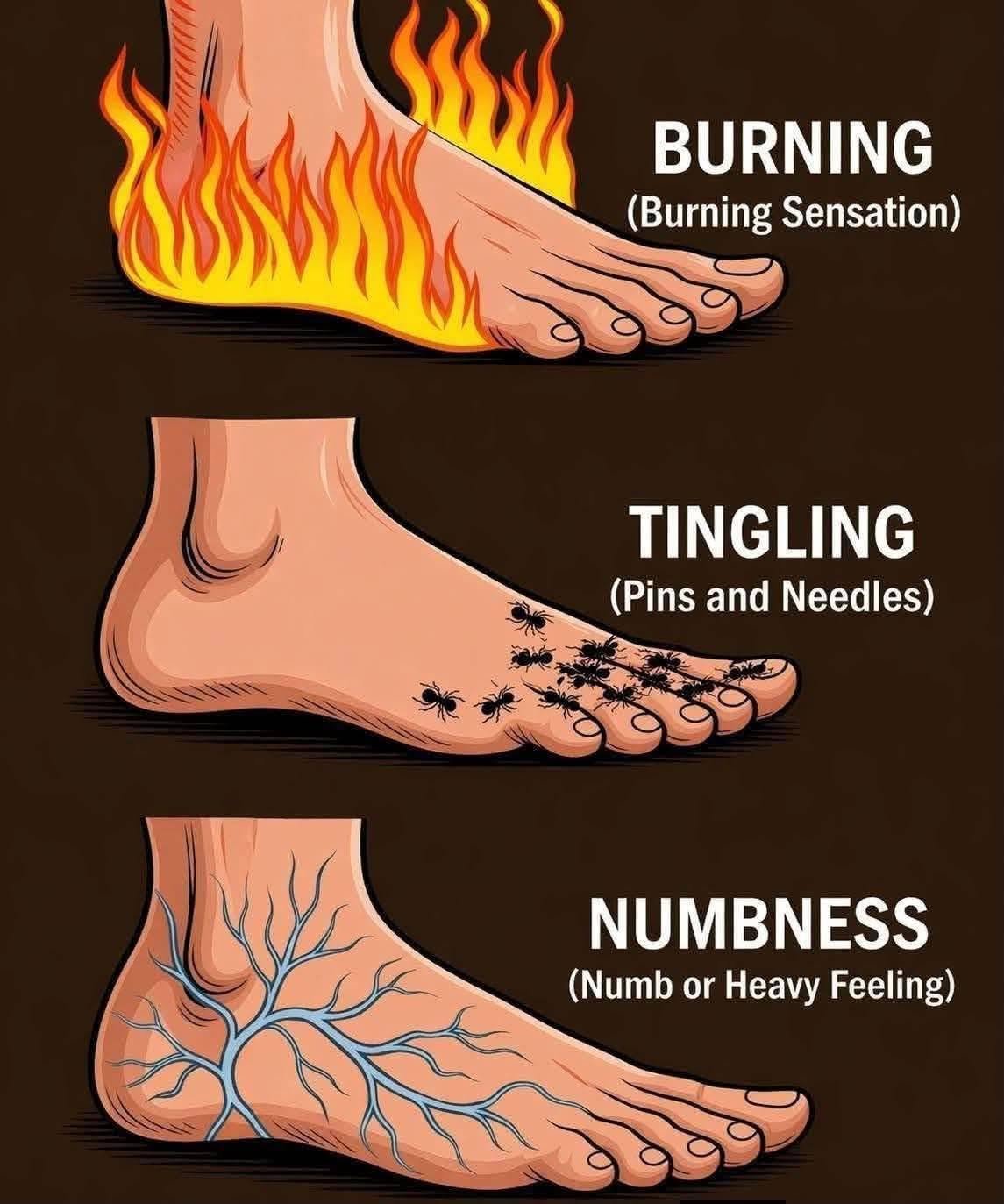
Burning, numbness, and tingling in the feet are common symptoms that can range from temporary discomfort to signs of an underlying medical condition.
A sensation often described as “pins and needles,” medically known as paresthesia, may happen when nerves are compressed or blood flow is temporarily reduced. When the sensation disappears quickly, it may not be a serious concern.
However, frequent, persistent, or worsening symptoms deserve attention because they may be associated with nerve damage, vitamin deficiencies, circulation problems, diabetes, or spinal conditions.
What Causes Burning and Tingling in the Feet?
There are several possible causes of burning, numbness, and tingling sensations. Identifying the underlying cause is important because the appropriate treatment depends on the condition responsible for the symptoms.
1. Prolonged Sitting, Standing, or Pressure
Remaining in the same position for an extended period can place pressure on nerves and temporarily affect circulation.
You may experience:
- Tingling
- Numbness
- Pins-and-needles sensations
- Temporary discomfort
Changing position, walking around, or gently stretching the legs and feet may help relieve temporary symptoms.
If numbness continues even after changing position, however, it may be worth discussing with a healthcare professional.
2. Peripheral Neuropathy
Peripheral neuropathy occurs when nerves outside the brain and spinal cord become damaged or irritated.
Common symptoms can include:
- Burning foot pain
- Tingling
- Numbness
- Increased sensitivity
- Reduced sensation
- Electric-shock-like feelings
Diabetes is one of the most common causes of peripheral neuropathy, but nerve problems can also be associated with certain infections, injuries, medications, nutritional deficiencies, and other medical conditions.
People experiencing persistent nerve pain should seek medical evaluation rather than assuming the symptoms are harmless.
3. Circulation Problems
Reduced blood circulation can affect the feet and legs and may cause discomfort, numbness, cold sensations, or changes in skin color.
Circulation-related symptoms can have several causes, including vascular conditions.
If foot numbness occurs together with severe pain, unusual skin color, coldness, swelling, or wounds that are not healing properly, prompt medical attention is important.
4. Vitamin and Nutritional Deficiencies
Certain nutritional deficiencies can affect normal nerve function.
In particular, inadequate levels of vitamin B12 can contribute to neurological symptoms such as numbness and tingling.
Other B vitamins are also important for normal nerve function, but taking high-dose supplements without identifying a deficiency is not always appropriate.
A healthcare professional can recommend blood tests when a nutritional deficiency is suspected.
5. Spinal or Nerve Compression
Problems involving the lower back can sometimes cause symptoms that travel down the leg and into the foot.
Conditions such as a herniated disc or other forms of nerve compression may produce:
- Tingling
- Numbness
- Burning sensations
- Shooting pain
- Weakness
Symptoms affecting one leg or following a particular nerve pathway may require a medical examination to determine whether the spine or another nerve is involved.
When Should You See a Doctor?
Occasional tingling that quickly disappears may not require medical treatment.
However, you should consider speaking with a healthcare professional if:
- Symptoms occur frequently
- Numbness persists or becomes worse
- Burning pain interferes with sleep or daily activities
- You develop muscle weakness
- You experience balance or coordination problems
- Symptoms gradually spread to other areas
- You have diabetes and develop new foot symptoms
Early evaluation can help identify the underlying cause and may prevent complications.
When Is Foot Numbness an Emergency?
Sudden numbness accompanied by serious symptoms should not be ignored.
Seek urgent medical attention if numbness or weakness develops suddenly, particularly when it occurs with symptoms such as difficulty speaking, facial drooping, severe dizziness, confusion, or sudden weakness on one side of the body.
Severe or rapidly worsening symptoms should also receive prompt medical evaluation.
Natural Ways That May Support Foot Comfort
The best treatment depends on the cause of the symptoms. However, several healthy habits may support overall circulation, mobility, and nerve health.
1. Stay Physically Active
Regular low-impact activity, such as walking, can support circulation and overall cardiovascular health.
If exercise causes significant pain, numbness, or weakness, stop and seek appropriate medical advice.
2. Stretch Regularly
Gentle stretching can help reduce stiffness and may be useful when symptoms are related to prolonged sitting or standing.
Avoid aggressive stretching if it increases pain or numbness.
3. Choose Comfortable Footwear
Wear shoes that fit properly and provide adequate room for your toes.
Avoid footwear that creates excessive pressure on the feet, especially if you already have reduced sensation.
4. Maintain a Balanced Diet
A nutritious diet provides vitamins and minerals needed for normal nerve and overall body function.
Foods containing B vitamins include eggs, fish, meat, dairy products, legumes, leafy vegetables, and fortified foods.
If you suspect a vitamin deficiency, discuss testing and supplementation with a healthcare professional.
5. Stay Hydrated
Adequate fluid intake supports normal body function and is part of maintaining a healthy lifestyle.
However, persistent burning or numbness should not automatically be attributed to dehydration.
6. Limit Excessive Alcohol Consumption
Heavy alcohol consumption can contribute to nerve damage and nutritional deficiencies.
Reducing alcohol intake may therefore support overall nerve health.
Foot Care Is Especially Important for People With Diabetes
People with diabetes may be more vulnerable to peripheral neuropathy and foot problems.
Reduced sensation can make it difficult to notice cuts, blisters, burns, or other injuries.
Regularly check your feet for:
- Cuts or sores
- Blisters
- Redness
- Swelling
- Skin changes
- Signs of infection
If you have diabetes and notice a foot wound, persistent numbness, or other concerning changes, contact your healthcare professional.
How to Prevent Burning and Tingling in the Feet
Some everyday habits may help reduce certain risk factors associated with foot discomfort.
Try to:
- Avoid staying in one position for long periods
- Take regular movement breaks
- Wear properly fitting shoes
- Maintain healthy blood sugar levels if you have diabetes
- Eat a balanced diet
- Avoid excessive alcohol consumption
- Maintain good posture
- Address persistent symptoms early
Prevention, however, cannot eliminate every possible cause of neuropathy or foot numbness.
Why You Shouldn’t Ignore Persistent Symptoms
Burning, numbness, and tingling are symptoms rather than a diagnosis.
Sometimes they are caused by something temporary, such as prolonged pressure on a nerve. In other cases, they may be associated with diabetic neuropathy, vitamin B12 deficiency, circulation problems, spinal nerve compression, or another medical condition.
The longer symptoms persist or the more they interfere with everyday activities, the more important it becomes to identify the underlying cause.
Final Thoughts
Occasional pins-and-needles sensations in the feet can happen to anyone. But persistent burning, numbness, tingling, or loss of sensation should not simply be ignored.
Healthy habits such as regular movement, comfortable footwear, balanced nutrition, and proper foot care can support overall health. However, they are not substitutes for professional medical evaluation when symptoms are persistent or worsening.
If you regularly experience burning foot pain, numbness, tingling, weakness, or changes in sensation, speak with a qualified healthcare professional to determine the cause and appropriate treatment.
Your symptoms are signals from your body. Paying attention to them early can help you take the right steps toward better health.