Discover a Simple Natural Way to Brighten Your Smile at Home
Discover a Simple Natural Way to Brighten Your Smile at Home
Many people feel self-conscious about dull or stained teeth from daily habits like coffee, tea, or certain foods. Over time, these surface discolorations can make your smile look less vibrant, affecting confidence in social situations or photos. While professional options exist, some seek gentle, everyday approaches using common kitchen items to support a brighter appearance.
What if a quick routine with familiar ingredients could help maintain a fresher look? In this guide, we’ll explore a popular home method involving garlic and salt, explain how it might contribute to oral care, and share practical tips for trying it safely.
Why Do Teeth Lose Their Brightness?
Teeth naturally yellow or stain due to factors like plaque buildup, food pigments, and enamel wear. Plaque harbors bacteria that contribute to discoloration, while acidic or pigmented items speed up the process. Maintaining good oral hygiene helps prevent this, but gentle exfoliation of surface stains can make a noticeable difference.
Research shows that reducing bacteria and mildly polishing teeth supports a cleaner, brighter appearance. Some natural ingredients offer antibacterial benefits or light abrasion, potentially aiding in this without harsh chemicals.
The Role of Garlic in Oral Care
Garlic has long been valued for its health properties, thanks to a compound called allicin formed when it’s crushed or chopped. Studies suggest allicin provides strong antibacterial effects, which may help reduce oral bacteria linked to plaque and bad breath.
When it comes to appearance, garlic’s antimicrobial action could indirectly support a cleaner smile by limiting plaque that causes dullness. Some sources note that raw garlic, when used carefully, might help polish surfaces mildly due to its texture. However, evidence for dramatic whitening is limited, and it’s more about supporting overall hygiene.
How Salt Fits Into the Picture
Salt acts as a natural mild abrasive and antiseptic. Its coarse texture can help scrub away loose surface stains, while its properties may soothe minor irritation. Many traditional remedies combine salt with other items for gentle cleaning.
Research on abrasives like salt indicates they can remove extrinsic stains (those on the surface) when used sparingly. But overuse risks wearing enamel, so moderation is key. Salt alone won’t bleach teeth but can complement routines for a polished feel.
Exploring the Garlic and Salt Combination
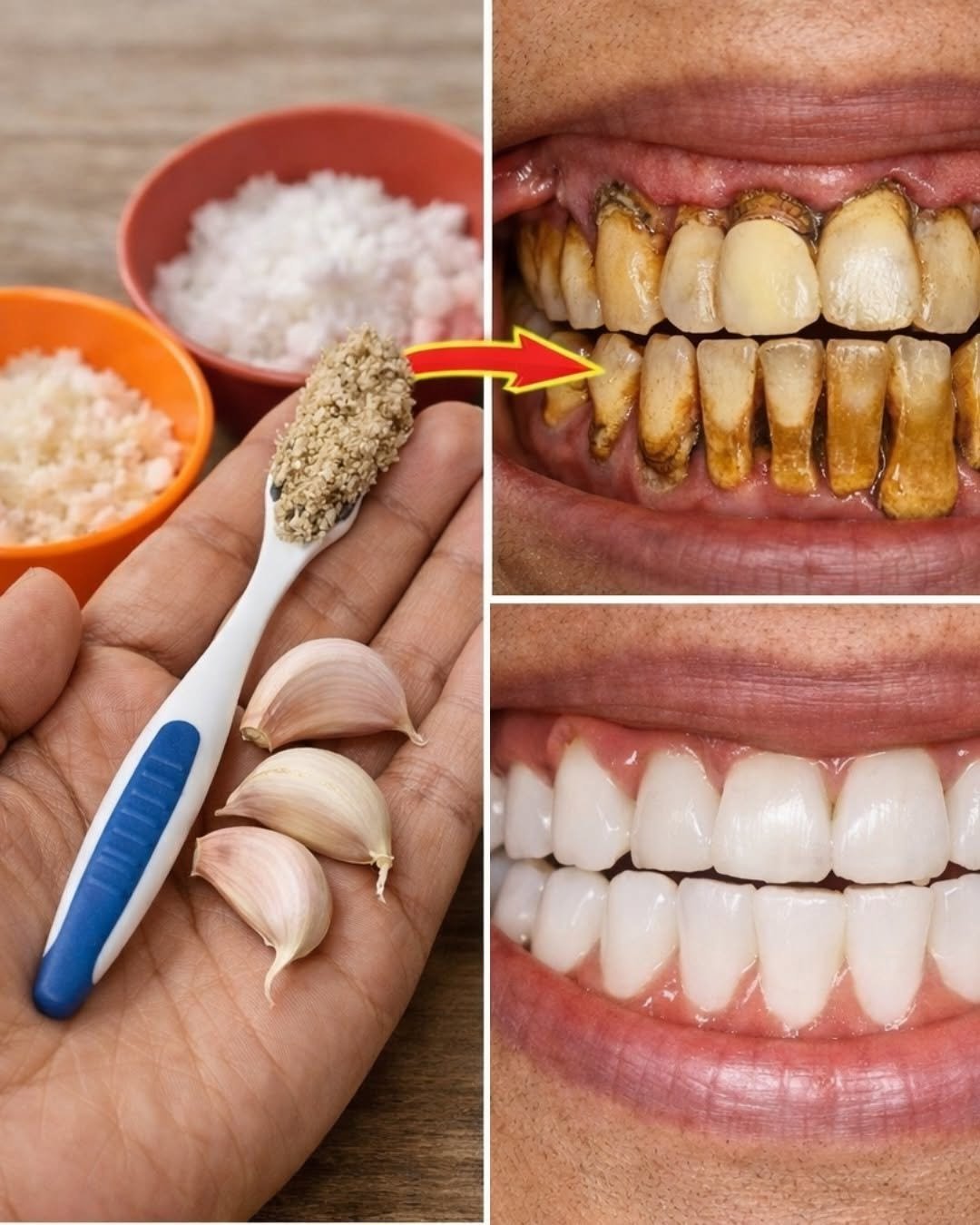
This method involves crushing fresh garlic and mixing it with a bit of salt to form a simple paste. The idea is to apply it briefly to teeth for a quick clean. Proponents claim it freshens and brightens in minutes due to the combo of antibacterial action and mild scrubbing.
While anecdotal reports are common, scientific backing focuses more on garlic’s role in reducing bacteria and salt’s gentle abrasion. No large studies confirm instant whitening, but it may help maintain cleanliness. Always prioritize safety—garlic can irritate if left too long, and salt is abrasive.
But that’s not all… Here’s a step-by-step way to try this approach responsibly.
Step-by-Step Guide to Trying This Natural Routine
- Gather fresh ingredients: Start with 1-2 peeled garlic cloves and a pinch of fine salt (table or sea salt works). Use fresh garlic for maximum allicin release.
- Prepare the mixture: Crush the garlic thoroughly (a mortar or fork works) until juicy. Mix in the salt to create a coarse paste. The salt helps with texture for gentle application.
- Apply carefully: Using a clean finger or soft toothbrush, gently rub a small amount onto your teeth. Focus on stained areas but avoid gums to prevent irritation.
- Time it right: Leave on for 1-2 minutes—no longer—to minimize any risk of sensitivity. This short contact lets the ingredients work without overdoing it.
- Rinse thoroughly: Swish with water and brush normally with regular toothpaste. Follow with flossing for complete care.
Important safety notes:
- Do this no more than 2-3 times per week.
- Stop if you feel burning, sensitivity, or irritation.
- Not suitable for everyone—those with sensitive teeth or allergies should skip it.
Studies on natural abrasives emphasize gentle use to avoid enamel damage. This routine aims for subtle support, not overnight transformation.
Other Natural Habits for a Brighter Smile
Beyond this method, incorporate these evidence-based tips:
- Brush twice daily with fluoride toothpaste for plaque control.
- Floss to reach between teeth where stains hide.
- Stay hydrated to rinse away food particles.
- Limit staining foods/drinks or rinse after consuming them.
- Eat crunchy fruits/veggies like apples to naturally clean surfaces.
Research supports baking soda (in moderation) as another mild abrasive for surface stains, often more studied than other home options.
Comparing Quick Home Approaches
Here’s a simple comparison of popular natural options:
- Garlic + Salt: Antibacterial focus with mild scrub; quick but pungent.
- Baking Soda Paste: Well-researched for stain removal; neutral taste.
- Oil Pulling: Swishing oil for bacteria reduction; longer process.
- Strawberry Mash: Mild acids for lightening; seasonal and gentle.
Each has pros, but results vary by individual habits and consistency.
What Results Can You Realistically Expect?
Many notice fresher-feeling teeth and subtle brightness from reduced plaque after regular gentle care. Dramatic changes usually require professional help. This approach fits best as part of daily hygiene for maintenance.
Consistency with brushing, diet, and occasional gentle extras often yields the best long-term appearance.
Conclusion: A Gentle Step Toward a Confident Smile
Exploring natural ways like a quick garlic and salt routine offers an accessible option for supporting oral freshness. Combined with solid habits, it can help you feel good about your smile without complexity.
Remember, small daily efforts add up for lasting brightness.
FAQ
Is garlic safe for regular oral use?
Garlic offers potential antibacterial benefits, but apply sparingly to avoid irritation or strong odor. Consult a dentist if unsure.
How often should I try natural cleaning methods?
Limit abrasive routines to a few times weekly to protect enamel. Daily brushing with standard toothpaste is essential.
Can this replace professional whitening?
No—home methods support maintenance, but for significant changes, see a dental professional for safe, effective options.
Disclaimer: This article is for informational purposes only and not medical advice. Natural remedies may not suit everyone and could cause irritation or enamel wear if misused. Always consult a dentist before trying new oral care practices, especially with existing dental issues. Results vary, and no method guarantees specific outcomes.