
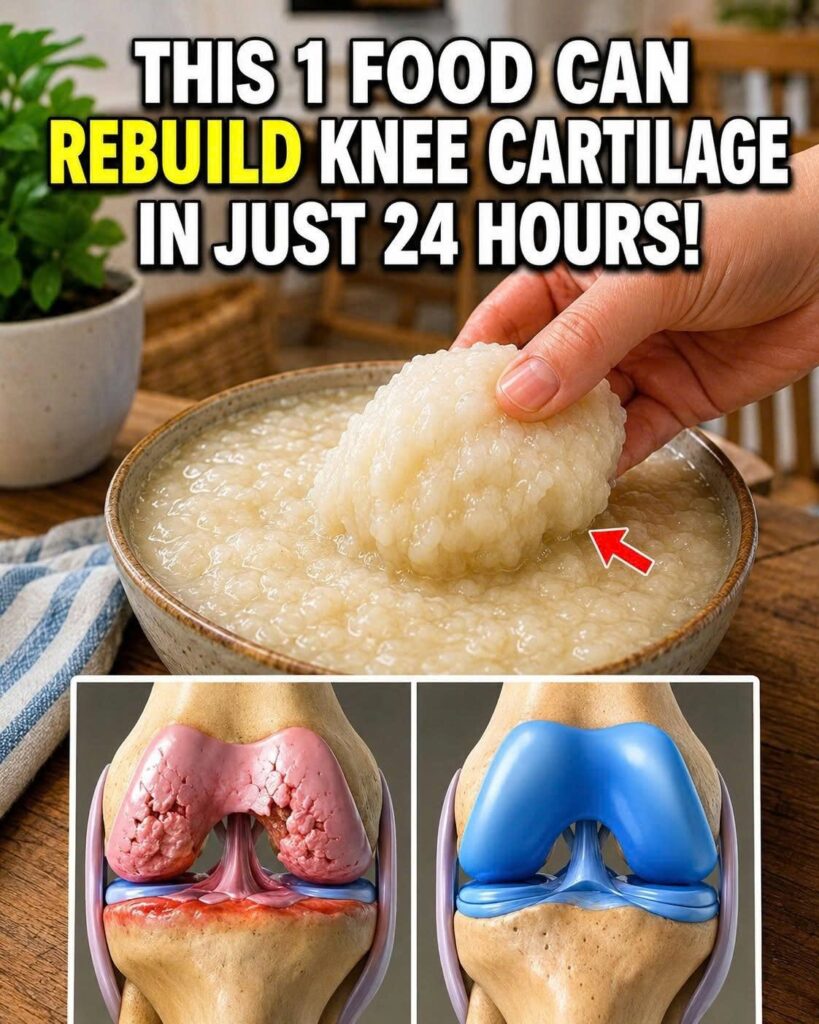
Are You Ignoring Knee Pain? A Simple Daily Food Habit Worth Knowing
You know that moment when you try to stand up from a chair and your knee just won’t cooperate. It feels stiff, maybe even makes a quiet crack, and you glance around hoping no one noticed. Over time, those small moments turn into hesitation walking, avoiding stairs, or even skipping outings you once enjoyed. It’s frustrating, and sometimes a little embarrassing. But here’s the surprising part: a simple daily food habit might play a bigger role in joint comfort than most people realize… and I’ll reveal exactly what to focus on before the end.
Why Knee Discomfort Gets Worse With Age
As we age, the body naturally goes through wear and tear. The cushioning in your knees, known as cartilage, doesn’t repair as quickly as it once did.
Here’s the truth many people overlook:
It’s not just about “getting old.” Lifestyle habits quietly accelerate this process.
What contributes most
• Reduced movement leading to stiffness
• Low intake of key nutrients that support joint tissues
• Chronic inflammation from diet and lifestyle
• Dehydration affecting joint lubrication
But that’s not all…
Many seniors unknowingly make small daily choices that slowly increase discomfort over time. And yes, what you eat plays a role.
The Role of Nutrition in Joint Comfort

Let’s clear something up: no single food can magically fix your joints overnight. However, certain foods can support your body’s natural repair processes.
Research suggests that nutrients like collagen, vitamin C, and amino acids may contribute to maintaining joint structure.
Foods often linked to joint support
• Bone broth and gelatin rich foods
• Fatty fish like salmon (omega 3s)
• Leafy greens (antioxidants)
• Citrus fruits (vitamin C for collagen formation)
Now here’s where things get interesting…
Some traditional foods, often overlooked, are naturally rich in compounds that support connective tissues. And they’re surprisingly simple.
The “2 Spoons a Day” Idea: What It Really Means

You may have seen claims about “just two spoons a day.” Let’s approach this realistically.
Often, these claims refer to foods high in gelatin or collagen building nutrients.
Why gelatin based foods matter
Gelatin contains amino acids like glycine and proline, which are building blocks for collagen.
Collagen is a key component of cartilage, the tissue that cushions your joints.
But here’s the key point:
Your body doesn’t directly turn food into joint cartilage overnight. It uses nutrients over time to support normal maintenance.
What “2 spoons” could realistically mean
• Adding a small portion of collagen rich food daily
• Consistency over weeks or months
• Supporting overall diet, not replacing it
So yes, it’s simple… but only when combined with the right habits.
Good Habits vs Harmful Habits for Your Knees

Let’s break it down clearly.
| Good Habits | Harmful Habits |
|---|---|
| Gentle daily walking | Sitting for long hours |
| Balanced, nutrient rich meals | Processed, high sugar foods |
| Staying hydrated | Ignoring thirst |
| Light stretching | Sudden intense activity |
| Maintaining healthy weight | Excess weight on joints |
Here’s the reality…
Even the best food won’t help much if daily habits continue to strain your joints.
Simple Daily Routine You Can Start Today
Now let’s make this practical.
You don’t need complicated plans. Just small, consistent steps.
Step by step routine
Morning
• Start with a warm drink or light broth
• Gentle knee stretches for 5 minutes
Midday
• Include vegetables and protein in meals
• Short walk, even 10 minutes helps
Evening
• Light dinner, avoid heavy processed foods
• Simple leg movements before bed
And yes, if you want to try it
Adding a small serving of gelatin rich food daily can be part of this routine.
But consistency matters far more than quantity.
Common Misunderstandings About Joint Health

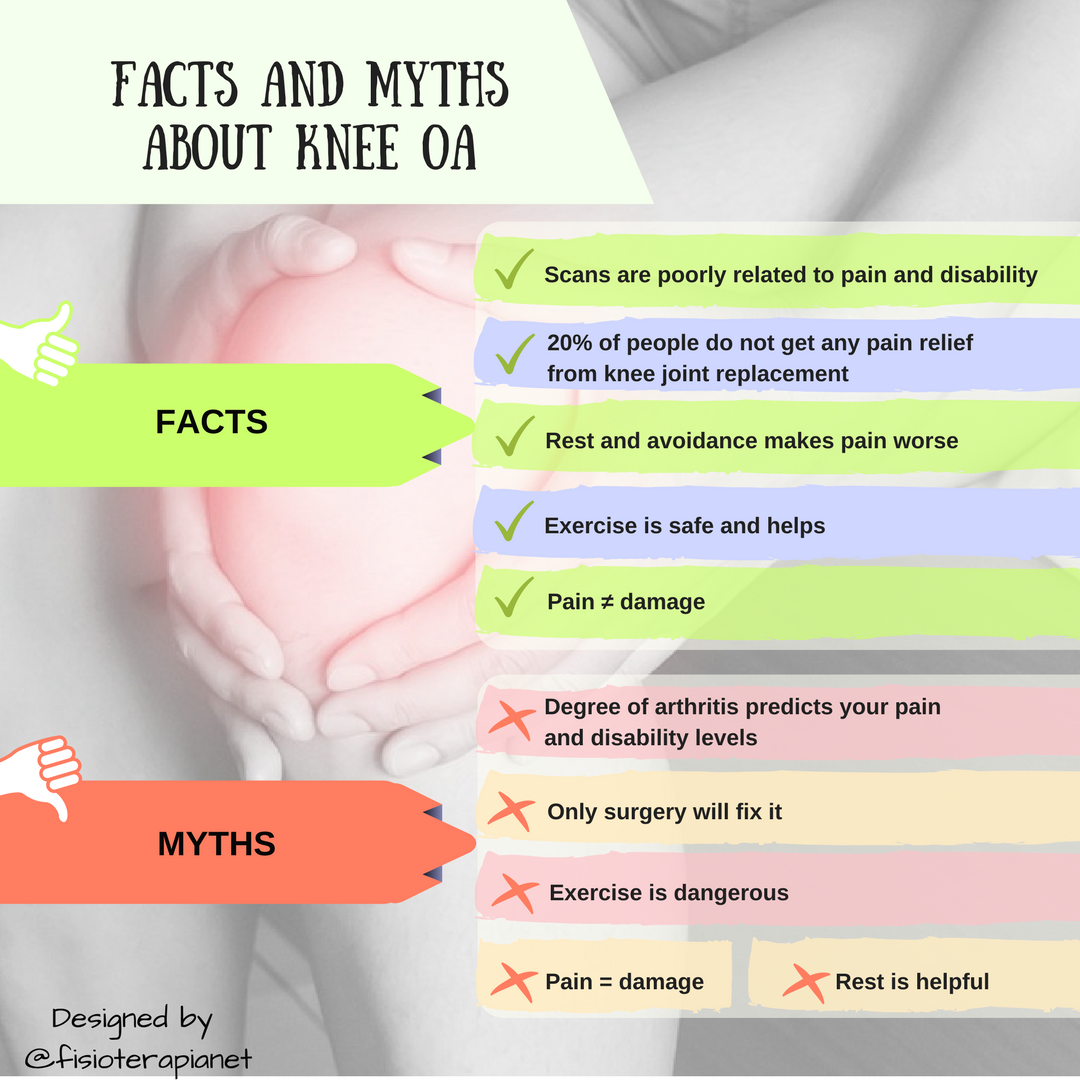
Let’s clear up a few myths that often mislead people.
Myth vs Reality
• Myth: One food can quickly fix knee problems
Reality: Joint health improves gradually with multiple factors
• Myth: Rest is always best
Reality: Gentle movement is essential for joint function
• Myth: Pain is just part of aging
Reality: Many lifestyle factors influence discomfort
And here’s the biggest one…
Waiting too long to change habits makes improvement harder.
Final Thoughts: Small Changes, Long Term Comfort
If there’s one thing I want you to remember, it’s this:
Your knees reflect your daily habits more than your age.
Adding a simple food like a collagen rich option can support your routine, but it works best alongside movement, hydration, and balanced nutrition.
Start small. Stay consistent.
That’s what truly makes the difference over time.
Frequently Asked Questions (FAQ)
1. Can one food really improve knee comfort quickly
No single food works instantly. However, certain foods can support joint health over time when combined with good habits.
2. How long before I notice changes
Most people notice gradual improvements over weeks, not days, especially when combining diet and movement.
3. Is it safe for seniors to try collagen rich foods daily
For most people, yes in moderate amounts. But it’s always wise to check with a healthcare professional if you have specific conditions.
Disclaimer
This article is for informational purposes only and does not replace professional medical advice. Always consult a qualified healthcare provider before making changes to your diet or lifestyle