Vitamin D and Bone Health: 7 Benefits for Stronger Bones, Muscles, and Better Mobility
Vitamin D and Bone Health: 7 Benefits for Stronger Bones, Muscles, and Better Mobility
Vitamin D for Bone Health: Why This Essential Nutrient Matters
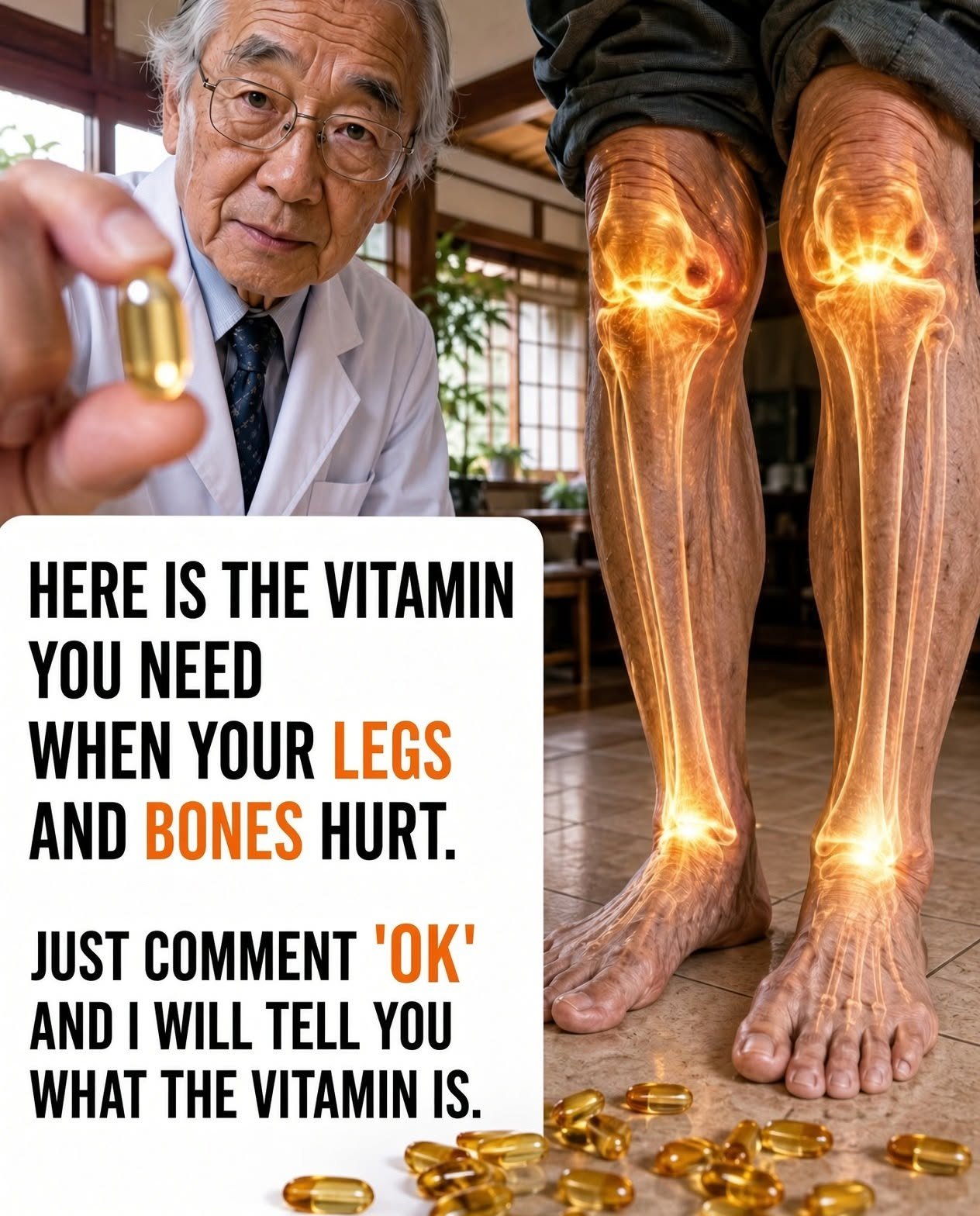
Do you sometimes experience heavy legs, muscle weakness, or persistent discomfort in your bones and joints? These symptoms can have many possible causes, and they should not automatically be attributed to aging or physical fatigue.
One important nutrient worth understanding is vitamin D.
Often called the “sunshine vitamin,” vitamin D plays an essential role in helping the body absorb calcium and phosphorus, two minerals that are crucial for maintaining healthy bones. It also contributes to normal muscle function and supports the immune system.
Vitamin D deficiency can occur for several reasons, including limited sun exposure, dietary factors, certain medical conditions, and problems with nutrient absorption.
Let’s explore the connection between vitamin D, bone health, muscle function, and daily well-being, along with practical ways to obtain this important nutrient.
What Is Vitamin D and Why Is It Important?
Vitamin D is a fat-soluble nutrient that performs several important functions throughout the body.
One of its best-known roles is helping the intestines absorb calcium from food. Calcium is essential for maintaining normal bone structure, while phosphorus works alongside calcium to support bones and teeth.
Without adequate vitamin D, the body has more difficulty maintaining normal calcium and phosphorus balance.
Vitamin D also contributes to:
- Normal muscle function
- Bone mineralization
- Immune system function
- Calcium absorption
- Phosphorus metabolism
- Overall musculoskeletal health
For these reasons, maintaining adequate vitamin D levels is particularly important as we get older.
7 Important Benefits of Vitamin D
1. Supports Strong and Healthy Bones
Vitamin D helps the body absorb calcium, making it an essential nutrient for maintaining normal bone structure.
Adequate vitamin D throughout life can help support bone strength and reduce the risk of problems associated with poor bone mineralization.
A balanced diet should therefore provide both calcium and vitamin D rather than focusing on either nutrient alone.
2. Supports Muscle Function
Vitamin D is also involved in normal muscle function.
Maintaining adequate levels may be particularly important for older adults because muscle strength and balance naturally become increasingly important with age.
Strong muscles help support mobility and everyday activities such as walking, climbing stairs, and getting up from a chair.
3. Helps the Body Absorb Calciu
One of vitamin D’s most important functions is improving the body’s ability to absorb calcium from the digestive tract.
Think of calcium as an essential building material for your bones. Vitamin D helps your body make better use of that material.
This is one reason vitamin D and calcium are often discussed together when talking about bone health.
4. Supports Normal Immune Function
Vitamin D also plays a role in the normal functioning of the immune system.
However, having adequate vitamin D should not be interpreted as a guarantee against infections or illness. A healthy immune system depends on many factors, including nutrition, sleep, physical activity, and overall health.
5. Contributes to Normal Phosphorus Balance
Phosphorus works closely with calcium to maintain healthy bones and teeth.
Vitamin D contributes to the regulation of calcium and phosphorus metabolism, helping maintain the mineral balance required for normal skeletal health.
6. May Support Overall Physical Well-Being
Low vitamin D levels can be associated with muscle weakness and other health problems, although symptoms alone cannot diagnose a deficiency.
If you regularly experience unexplained fatigue, weakness, or musculoskeletal discomfort, a healthcare professional can determine whether vitamin D testing or another evaluation is appropriate.
7. Supports Healthy Aging
Maintaining adequate vitamin D is one component of a broader approach to healthy aging.
For older adults, protecting bone and muscle health involves more than a single nutrient. Regular physical activity, sufficient protein and calcium, good sleep, and appropriate medical care are also important.
Where Can You Get Vitamin D?
There are three major sources of vitamin D:
☀️ Sunlight
The body can produce vitamin D when skin is exposed to ultraviolet B (UVB) radiation.
However, the amount produced varies significantly depending on factors such as:
- Skin pigmentation
- Age
- Geographic location
- Season
- Time of day
- Clothing
- Sunscreen use
- Amount of exposed skin
Because excessive UV exposure increases the risk of skin damage and skin cancer, sunlight should not be used as a reason to deliberately seek sunburn or prolonged unprotected exposure.
🐟 Foods That Contain Vitamin D
Some foods naturally contain vitamin D, while others are fortified with it.
Good dietary sources can include:
- Fatty fish such as salmon, sardines, and mackerel
- Egg yolks
- Fortified milk
- Fortified plant-based beverages
- Some fortified cereals
- Certain mushrooms exposed to UV light
Including a variety of these foods can help contribute to adequate vitamin D intake.
Vitamin D and a Healthy Diet
Vitamin D is fat-soluble, meaning dietary fat can help with its absorption.
Instead of relying on one particular food or drink, aim for a balanced diet containing:
- Fatty fish
- Eggs
- Vegetables
- Fruits
- Whole grains
- Nuts and seeds
- Healthy sources of dietary fat
- Calcium-rich foods
A nutritious eating pattern works best when combined with regular physical activity and adequate rest.
Practical Ways to Support Bone and Muscle Health
Vitamin D is only one piece of the puzzle.
1. Stay physically active
Weight-bearing activities and resistance exercises can help maintain bone and muscle strength.
Walking, climbing stairs, strength training, and other appropriate exercises can be incorporated into a regular routine.
2. Eat enough calcium and protein
Calcium provides an important mineral foundation for bones, while protein supports muscle maintenance.
3. Spend time outdoors safely
Outdoor activity can provide an opportunity for natural light exposure while also encouraging movement.
Avoid excessive UV exposure and follow appropriate sun-protection practices.
4. Get enough sleep
Adequate, consistent sleep is important for physical recovery and general health.
5. Talk to a healthcare professional if symptoms persist
Persistent bone pain, muscle weakness, difficulty walking, or unexplained fatigue deserves proper evaluation rather than being treated automatically as a vitamin deficiency.
Vitamin D Supplements: Are They Necessary?
Some people may need vitamin D supplements, particularly when dietary intake is insufficient or a healthcare professional has identified a deficiency.
However, more is not necessarily better.
Vitamin D is fat-soluble and can accumulate in the body when taken in excessive amounts. Very high intake from supplements can cause toxicity and lead to excessive calcium levels.
For this reason, supplements should be taken according to appropriate guidance rather than simply taking large doses in the hope of getting faster results.
⚠️ Vitamin D Safety Tips
Keep these points in mind:
- Do not take high-dose vitamin D supplements without medical guidance.
- Avoid intentionally exposing yourself to excessive sunlight.
- If you suspect vitamin D deficiency, ask a healthcare professional whether testing is appropriate.
- People with certain medical conditions may require individualized advice.
- Always follow the dosage instructions on supplements or recommendations from your healthcare provider.
Vitamin D Food Sources at a Glance
| Source | Type | Key Point |
|---|---|---|
| Salmon | Food | Naturally rich in vitamin D |
| Sardines | Food | Provides vitamin D and other nutrients |
| Mackerel | Food | A vitamin D-containing fatty fish |
| Egg yolks | Food | Contains smaller amounts of vitamin D |
| Fortified milk | Fortified food | Amount varies by product |
| Fortified plant milk | Fortified food | Check the nutrition label |
| UV-exposed mushrooms | Food | Some varieties can provide vitamin D |
| Supplements | Concentrated source | Best used according to individual needs |
Can Vitamin D Deficiency Cause Bone and Leg Problems?
Vitamin D deficiency can affect bone mineralization and, when severe, contribute to conditions such as osteomalacia in adults.
However, leg pain, bone pain, fatigue, or weakness do not automatically mean you have a vitamin D deficiency.
Many other conditions can produce similar symptoms.
If discomfort is persistent, severe, or interfering with everyday activities, proper medical evaluation is the safest approach.
The Bottom Line
Vitamin D is an essential nutrient with an important role in bone health, calcium absorption, muscle function, phosphorus metabolism, and immune function.
The best approach is not to search for a single miracle solution. Instead, focus on a combination of nutritious foods, regular movement, adequate rest, safe outdoor activity, and appropriate medical care.
If you are concerned about vitamin D deficiency or have persistent bone or muscle symptoms, speak with a healthcare professional before starting high-dose supplementation.
Your bones and muscles support you every day. Taking care of them starts with consistent, evidence-based habits.
Disclaimer: This article is for educational purposes only and does not replace professional medical advice, diagnosis, or treatment. If you have persistent pain, weakness, or other concerning symptoms, consult a qualified healthcare professiona