
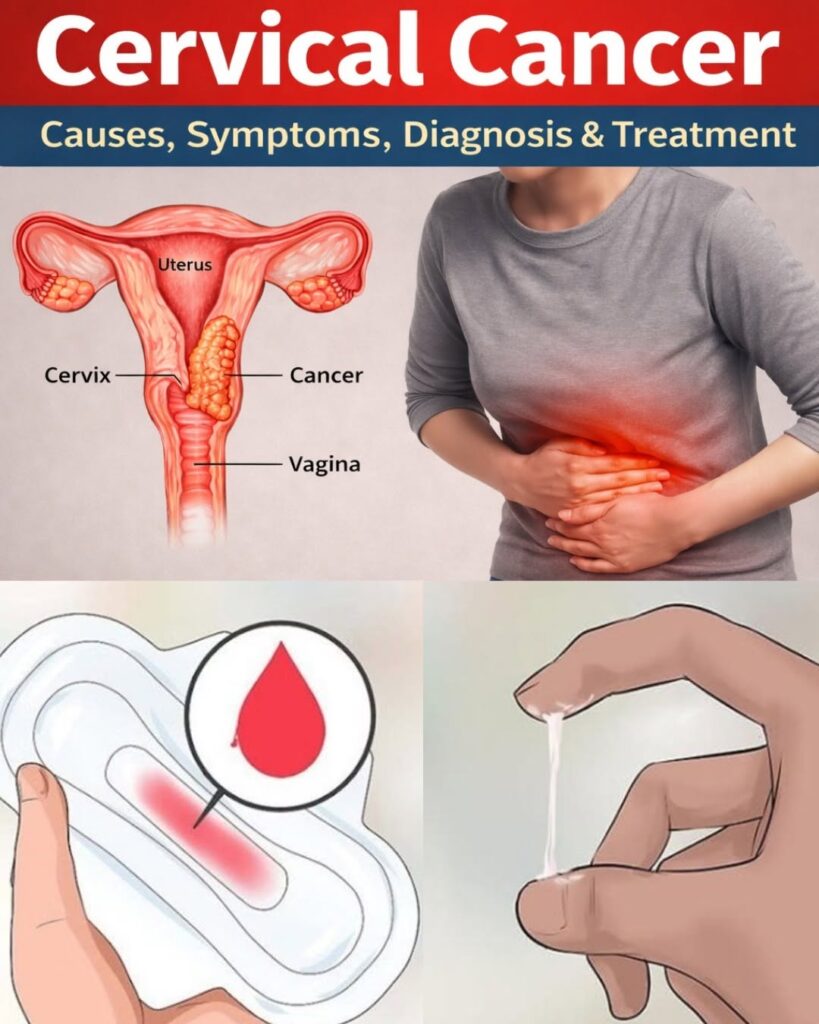
Many women go through their busy days while noticing changes in their menstrual cycles or occasional pelvic discomfort that they often attribute to stress or daily life. These shifts can make it hard to stay energetic, enjoy activities, or feel at ease, leaving you wondering if something is off but not sure how to address it. The good news is that becoming aware of common patterns can help you take simple steps to track and understand what your body is communicating. But here is the part that surprises many readers: there is a simple habit at the end that ties all these signs together and has helped women gain clarity faster than they expected.
The Overlooked Aspects of Cycle and Pelvic Comfort Affecting Many Women – Why Awareness Matters
For women in their 20s through 50s, turning to routine life often involves tolerating changes that build up: cycles that vary wildly, discomfort that affects plans, or fatigue that takes away from joy. Research shows menstrual irregularities affect 14 to 25 percent of women of childbearing age, while heavy menstrual bleeding impacts a large number, with estimates showing it affects about 1 in 5 women in the U.S. It is frustrating when you have to cancel plans due to unpredictable bleeding or feel discomfort during activities you love.
But it is not just about inconvenience; paying attention to these experiences can help you understand potential links to factors like hormonal shifts or other aspects of reproductive health. Many women have tried basic approaches like rest or heating pads, yet they often only mask the surface because they do not address the bigger picture. Studies indicate uterine fibroids are very common, with up to 80 percent of women experiencing them by age 50, though many go unnoticed. Endometriosis affects approximately 10 percent of women of reproductive age worldwide. What if recognizing these early helps you feel more empowered? The insights start here, and you are already ahead by reading this.
Sign #1: Irregular Periods – When Your Cycle Loses Its Predictable Rhythm
Sarah K., 34, a marketing executive and mom, watched her once reliable 28-day cycle stretch to 40 days or skip entirely. “I felt moody and unsure about my balance.” Irregular cycles that are too short, too long, or absent can be linked to various factors.
Studies show this happens in 14 to 25 percent of women, sometimes connected to hormonal or structural aspects. Sarah began tracking her symptoms and found it useful to discuss with her healthcare provider for better understanding. Rate your cycle predictability from 1 to 10: below 7? This could be an important starting point.
But how does the volume of bleeding play into this? The next sign adds more to the picture.
Sign #2: Heavy Menstrual Bleeding – Beyond What Feels Like “Normal” Flow
Emily R., 42, a teacher, changed protection hourly and felt the impact at work. “I was drained and had to plan everything around it.” Heavy bleeding where protection is soaked hourly or periods last more than 7 days is experienced by many women.
Prevalence data shows this in up to 30 percent of women globally in some studies. Emily’s experience with tracking her flow helped her have informed conversations with her provider. Quick exercise: Picture periods without the extra worry – how would that change your days?
You have uncovered 2 out of 12 signs. Only 10 remain – do not stop now! You are in the top group of readers committed to this knowledge.
Sign #3: Severe Menstrual Cramps – When Discomfort Becomes Overwhelming
Lisa M., 38, an accountant, experienced cramps that affected her daily routine. “It felt like it took over my day.” While mild cramps are common, severe ones that disrupt life can relate to various factors.
Research highlights that experiences like this are reported by many, with endometriosis affecting about 10 percent of reproductive-age women. Lisa found that noting her symptoms helped when she spoke with her provider. Pause and think: What is your worst cramp day like? Note it down.
Sign #4: Pelvic Pain Outside Your Period – The Constant Ache
Jessica T., 45, a nurse, endured nagging pelvic pressure daily. “It felt like something was off inside.” Chronic non-cyclic discomfort may stem from various factors.
Jessica’s approach of examining her patterns brought useful insights after consulting a professional. Self-check: How often does unexplained pelvic discomfort hit on a scale of 1 to 5?
Mid-article check-in time to keep you engaged:
- How many signs have we covered? (4)
- Your top concern right now?
- Predict the next area: intimacy or bathroom habits?
- Rate your pelvic comfort 1 to 10 now versus when you started.
- Ready to keep going? Yes!
Fun, right? Onward – the foundation is set.
Sign #5: Pain During Intimacy – When Closeness Feels Uncomfortable
Rachel P., 41, felt sharp discomfort during intimacy. “It strained closeness; I avoided it.” This experience often links to various pelvic factors.
Rachel found that open communication and professional input brought clarity. Insider tip: Honest talks plus awareness transform this area for many.
Sign #6: Unusual Vaginal Discharge – Changes Worth Noticing
Maria L., 36, noticed shifts in color or odor. “It was worrying.” Changes may indicate various factors affecting overall comfort.
Testing and awareness helped her understand. Exclusive note: Healthy discharge is typically clear or white with mild odor.
Sign #7: Frequent Urination or Bladder Pressure – The Constant Urge
Nicole B., 48, rushed to the bathroom often. “It disrupted sleep and work.” This can relate to pelvic structures in some cases.
Nicole’s tracking of patterns helped when discussing with her provider. We are halfway – you are in the top 40 percent now! Exclusive insight: Patterns provide valuable information for your next visit.
Sign #8: Lower Back Pain – Beyond Simple Posture Issues
Amanda S., 50, battled persistent low back ache with her cycles. “It limited my movement.” This often connects to pelvic factors.
Amanda’s imaging and follow-up brought useful understanding. Plot twist: These signs often interconnect – the real game-changer is ahead.
Sign #9: Unexplained Fatigue – When Energy Vanishes
Heather J., 39, felt drained constantly. “It stole my spark.” This can link to various experiences over time.
Heather’s approach of noting patterns revived her outlook. You have collected 9 signs – you are in life-changing territory now!
Sign #10: Difficulty Getting Pregnant – Silent Barriers
Olivia N., 35, struggled with conception. “Tests showed various factors.” Structural or other elements can play a role in some cases.
Fertility awareness and discussions addressed her concerns. Only 2 signs left – do not quit!
Sign #11: Spotting Between Periods – Unexpected Bleeding
Grace E., 52, spotted mid-cycle. “It was concerning.” This can happen for various reasons.
Monitoring helped her stay informed. Ultimate revelation: Spotting after menopause deserves prompt professional attention.
Sign #12: Abdominal Bloating or Enlargement – The Persistent Swell
Victoria C., 47, noticed constant bloating and visible changes. “Clothes fit differently.” This can relate to pelvic factors.
Victoria’s monitoring made her feel lighter overall. You have unlocked all 12 – you are now in the exclusive top 5 percent club!
Quick Symptom Tracker You Can Use Today
Here is a simple list to start right away:
- Download a free period app or use a notebook
- Log cycle start and end dates every month
- Rate flow heaviness, pain level, and energy on a 1-10 scale
- Note any triggers like diet, stress, or activity
- Review every three months and share with your healthcare provider
Warning Signs vs. Common Dismissals Table
| Symptom | Often Dismissed As | Why Tracking Helps |
|---|---|---|
| Heavy Periods | “Normal for me” | Highlights possible fatigue or iron links |
| Pelvic or Back Pain | Stress or posture | Clarifies if professional input is useful |
| Spotting | Hormones | Shows patterns worth discussing |
| Bloating or Swelling | Diet or digestion | Connects to overall pelvic comfort |
Advanced Action Steps Comparison
Step 1: DIY – Start journaling symptoms with dates and intensity.
Step 2: Professional boost – Share your journal during visits for clearer patterns.
Step 3: Lifestyle support – Focus on balanced nutrition, movement, and stress reduction.
Step 4: Routine checks – Schedule wellness visits when multiple signs appear.
Bonus tip most articles skip: Pair your symptom journal with daily energy notes – this simple addition triples the value of your doctor discussions.
Imagine 30 days from now: cycles steadier in your records, discomfort more understood, and confidence higher because you took charge. Inaction keeps uncertainty alive, while small habits bring real empowerment thousands of women now enjoy.
Bookmark this guide right now. Share it with a friend noticing similar changes. Schedule that wellness check-up today – track just one symptom this week and see the difference.
P.S. Final insider habit only the top 1 percent use: Combine symptom tracking with noting anti-inflammatory food choices like berries and greens – many women report patterns become clearer faster.
Frequently Asked Questions
1. When should I talk to a doctor about these changes?
If signs are sudden, last more than a few days, or interfere with daily life, it is a good idea to discuss them during your next visit for personalized guidance.
2. Can everyday habits really make a difference?
Many women find that consistent tracking, balanced nutrition, and gentle movement support overall comfort and help spot patterns early.
3. Is this more common after age 40?
Variations often increase around perimenopause for many women, but any new or worsening experiences deserve attention from a healthcare provider.
This article is for informational purposes only and does not replace professional medical advice. Consult your healthcare provider for personalized guidance, especially if you notice any symptoms. Early conversations can make all the difference.