Natural Ways to Support Male Fertility: Nutrient-Rich Foods and Everyday Habits 🌿
Natural Ways to Support Male Fertility: Nutrient-Rich Foods and Everyday Habits 🌿

Meta Title: Natural Ways to Support Male Fertility: Foods & Healthy Habits
Meta Description: Discover nutrient-rich foods and simple lifestyle habits that may support male reproductive health, sperm quality, energy, and overall well-being as part of a balanced lifestyle.
Male fertility is influenced by much more than one food, drink, or supplement. Nutrition, physical activity, sleep, stress, age, smoking, alcohol use, certain medications, and underlying health conditions can all play a role.
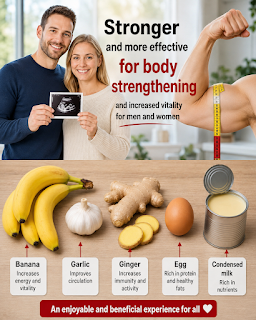
For men who want to take better care of their reproductive health, everyday food choices are a practical place to start. Foods such as eggs, bananas, garlic, and ginger provide protein, vitamins, minerals, and plant compounds that can contribute to a nutritious diet.
They aren’t miracle fertility boosters, but they can fit naturally into a broader routine designed to support overall health.
🔬 What Influences Male Fertility?
Male fertility is commonly evaluated through several characteristics of sperm, including:
- Sperm concentration and count
- Sperm movement (motility)
- Sperm shape (morphology)
- Overall semen quality
Hormonal health and reproductive function are also important.
Diet alone cannot determine fertility, but eating a varied, nutrient-dense diet can help provide the body with nutrients needed for normal cellular and reproductive processes.
🧬 Nutrients Worth Paying Attention To
Rather than searching for one “fertility food,” it can be more helpful to focus on overall nutrient intake.
🟡 Zinc
Zinc is an essential mineral involved in numerous processes throughout the body, including normal reproductive and hormonal functions.
Food sources include:
- Eggs
- Meat and seafood
- Beans and lentils
- Nuts and seeds
- Dairy products
A varied diet can help most people obtain zinc without relying automatically on supplements.
🛡️ Antioxidants
Normal metabolism produces compounds known as free radicals. When these become excessive, they can contribute to oxidative stress.
Fruits, vegetables, herbs, spices, nuts, and seeds provide a variety of antioxidant compounds. Garlic and ginger are two familiar kitchen ingredients containing naturally occurring plant compounds that have attracted scientific interest.
☀️ Vitamin D
Vitamin D contributes to many normal body functions and has also been studied in relation to male reproductive health.
Useful sources include certain foods, fortified products, and sunlight exposure. Someone concerned about vitamin D deficiency should discuss testing with a healthcare professional rather than taking high-dose supplements without guidance.
⚡ B Vitamins and Potassium
B vitamins participate in normal energy metabolism, while potassium is important for normal muscle, nerve, and cellular function.
Bananas are well known for potassium and also provide vitamin B6, making them an easy addition to a balanced diet.
🍌 4 Everyday Foods to Add to a Balanced Diet
1. Bananas
Bananas are convenient, naturally sweet, and provide potassium, vitamin B6, carbohydrates, and small amounts of several other nutrients.
They can be especially useful as part of breakfast or a snack before physical activity.
Try combining banana with plain yogurt, oats, nuts, or seeds for a more balanced meal.
2. Eggs
Eggs provide high-quality protein along with several micronutrients.
Protein helps maintain muscle and other tissues, while the combination of protein and fat in eggs can make meals more satisfying.
For food safety, cook eggs properly—particularly when preparing food for pregnant people, older adults, young children, or anyone with a weakened immune system.
3. Garlic
Garlic has been part of traditional diets around the world for centuries.
It contains sulfur-containing compounds and other plant substances that are being investigated for their relationship with cardiovascular and metabolic health.
Instead of treating garlic as a remedy, use it as a flavorful way to make nutritious meals more enjoyable.
Add fresh garlic to vegetables, soups, sauces, beans, fish, or lean meat.
4. Ginger
Fresh ginger contains naturally occurring compounds such as gingerols.
Research continues into ginger’s potential effects on inflammation, metabolism, and reproductive health, but existing evidence doesn’t mean ginger can treat infertility or reliably increase testosterone.
A small amount can nevertheless be a flavorful addition to tea, smoothies, soups, stir-fries, and other meals.
🥤 A Simple Banana-Ginger Smoothie
Want an easy way to combine some of these foods? Try this gentle, food-focused version.
Ingredients
- 1 ripe banana
- 1 cup plain yogurt or milk
- A small piece of fresh ginger
- 1 tablespoon of ground nuts or seeds, optional
- A pinch of cinnamon, optional
Preparation
- Peel and slice the banana.
- Peel a small piece of ginger.
- Place everything in a blender.
- Blend until smooth.
- Enjoy immediately.
Tip: Garlic and cooked eggs are nutritious foods, but they don’t need to be blended into the same drink. They may be much more enjoyable—and equally useful nutritionally—as part of a separate meal.
🌱 Habits That Matter Beyond Individual Foods
Nutrition works best as one part of a bigger picture. Men interested in supporting reproductive and general health can focus on sustainable habits such as:
✔ Eating plenty of vegetables, fruits, whole grains, legumes, nuts, and seeds
✔ Including adequate protein and healthy fats
✔ Exercising regularly without excessive training
✔ Getting consistent, sufficient sleep
✔ Finding practical ways to manage long-term stress
✔ Avoiding smoking
✔ Limiting excessive alcohol consumption
✔ Maintaining a weight appropriate for individual health needs
Small habits practiced consistently are generally more meaningful than following a short-term “fertility recipe.”
⏱️ Don’t Expect Changes Overnight
Sperm development is a gradual biological process. This means lifestyle improvements made today aren’t expected to transform semen parameters within a few days.
When lifestyle changes are appropriate, consistency over several months is generally more realistic than looking for immediate results.
This is also why claims such as “boost fertility overnight” or “increase sperm count in seven days” should be treated cautiously.
❓ Frequently Asked Questions
Can food cure male infertility?
No single food or recipe has been shown to cure male infertility.
A nutritious diet may support overall and reproductive health, but fertility difficulties can have many causes that require professional evaluation.
Do bananas, eggs, garlic, and ginger increase sperm count?
These foods provide useful nutrients and can form part of a healthy diet. However, it would be misleading to promise that eating them will directly or dramatically increase sperm count.
Their value comes primarily from contributing to overall nutritional quality.
Are fertility supplements necessary?
Not necessarily.
Supplements may be appropriate when a nutritional deficiency or another specific need has been identified. Taking large doses without professional guidance isn’t automatically better and can sometimes be harmful.
When should someone seek medical advice?
Consider speaking with a qualified healthcare professional if you have ongoing fertility concerns, reproductive symptoms, or questions about medications or supplements.
Couples who have been trying to conceive without success may also benefit from professional evaluation rather than relying only on dietary remedies.
🌟 The Bottom Line
Supporting male reproductive health doesn’t require a mysterious recipe.
Everyday foods such as bananas, eggs, garlic, ginger, vegetables, fruits, whole grains, nuts, seeds, and other nutrient-rich foods can contribute to a balanced eating pattern.
The most useful approach is to think long term: eat well, stay physically active, sleep consistently, avoid smoking, manage stress, and seek appropriate medical guidance when fertility concerns persist.
Food can support the body—but it doesn’t need exaggerated promises to be valuable. 🌿
📌 Disclaimer
This article is intended for general educational and informational purposes only. It does not provide medical advice and should not be used to diagnose, treat, cure, or prevent any medical condition. Individual fertility concerns should be discussed with a qualified healthcare professional.