Carrot and Beetroot Juice for Fibroids, Cysts, and Anemia: What You Should Know
Carrot and Beetroot Juice for Fibroids, Cysts, and Anemia: What You Should Know

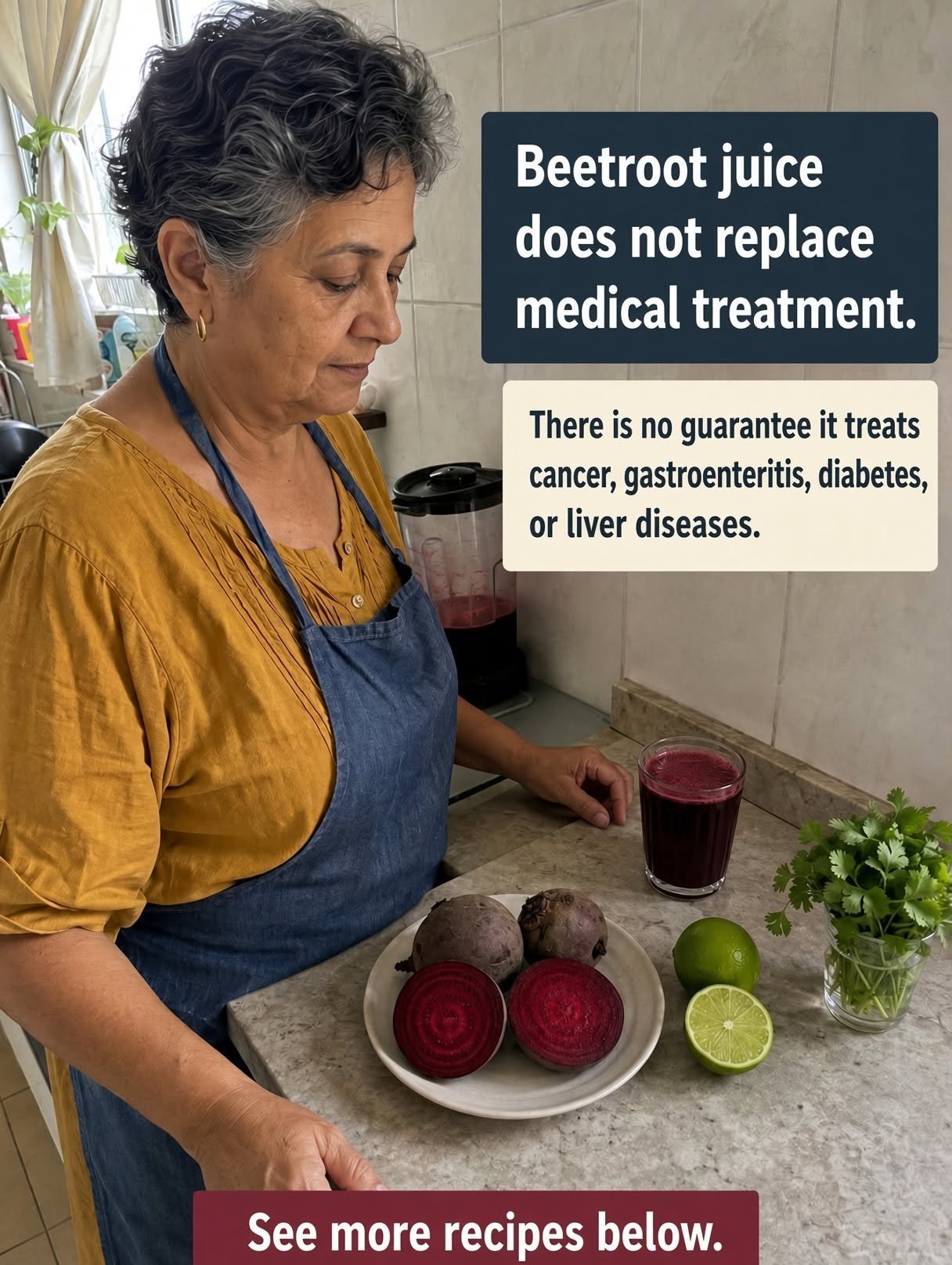
Carrot and beetroot juice is a popular natural drink in traditional wellness practices. Both vegetables provide valuable nutrients, including folate, carotenoids, potassium, antioxidants, and naturally occurring nitrates.
However, it is important to separate traditional claims from established medical evidence. Carrot and beetroot juice cannot cure uterine fibroids, ovarian cysts, or anemia. It can be part of a nutritious diet, but persistent symptoms and diagnosed conditions require appropriate medical evaluation.
🥕 Nutritional Benefits of Carrots
Carrots are particularly well known for their high content of beta-carotene, which the body can convert into vitamin A.
They also provide:
- Potassium
- Fiber
- Carotenoids
- Antioxidant compounds
- Small amounts of vitamin C and other micronutrients
Vitamin A plays an important role in normal immune function, vision, and the maintenance of healthy tissues.
Rather than claiming that carrots “balance hormones,” it is more accurate to say that their nutrients contribute to overall nutritional health.
❤️ Benefits of Beetroot
Beetroot contains several interesting compounds, including folate, potassium, nitrates, and betalain pigments.
Dietary nitrates can contribute to the production of nitric oxide, a compound involved in blood-vessel function and circulation.
Beetroot may therefore be a useful addition to a balanced diet for people interested in:
- Cardiovascular health
- Physical performance
- Healthy blood-vessel function
- Antioxidant intake
However, beetroot juice should not be considered a treatment for anemia or gynecological conditions.
Can Carrot and Beetroot Juice Treat Fibroids or Ovarian Cysts?
No.
Uterine fibroids and ovarian cysts have different causes and medical characteristics, and there is currently no evidence that drinking carrot and beetroot juice can make fibroids or cysts disappear.
A nutritious diet may support general health, but it should not replace:
- Gynecological examinations
- Ultrasound or other appropriate testing
- Prescription medication
- Surgical treatment when necessary
- Other treatments recommended by a healthcare professional
If you have heavy menstrual bleeding, pelvic pain, abdominal enlargement, or persistent menstrual changes, seek medical advice rather than relying on a juice or home remedy.
🩸 What About Anemia?
This is where an important distinction matters.
Beetroot does contain some iron, but it is not an especially concentrated source compared with foods such as meat, seafood, legumes, and fortified foods.
Also, the iron in plant foods is non-heme iron, which is absorbed differently from the heme iron found in animal foods.
If iron-deficiency anemia is confirmed, simply drinking beetroot juice may not provide enough iron to correct the deficiency.
Vitamin C can improve the absorption of non-heme iron, so combining iron-containing plant foods with vitamin-C-rich foods can be useful.
Examples include:
- Lentils + bell peppers
- Beans + tomatoes
- Spinach + citrus
- Fortified cereals + strawberries
A healthcare professional can determine whether dietary changes, iron supplementation, or investigation of blood loss is needed.
🥤 How to Make Carrot and Beetroot Juice
Ingredients
- 1 medium carrot
- 1 small beetroot
- 200–250 ml water
- Juice of ½ lemon, optional
- 1 teaspoon honey, optional
Preparation
- Wash the carrot and beetroot thoroughly.
- Peel them if desired and cut into small pieces.
- Add them to a blender with the water.
- Blend until smooth.
- Strain if you prefer a thinner drink.
- Add lemon juice just before drinking.
For greater fiber intake, you can leave the juice unstrained and consume the blended vegetables instead.
⏰ How Often Can You Drink It?
There is no medically established schedule showing that drinking this juice a certain number of times per week treats fibroids, cysts, or anemia.
For most healthy people, a moderate serving can simply be incorporated into an overall balanced diet.
If you have diabetes, kidney disease, low blood pressure, or take medication, discuss regular consumption of concentrated vegetable juices with your healthcare professional.
⚠️ Important Precautions
Beetroot can temporarily turn urine or stools reddish. This is generally harmless and is known as beeturia, but it can sometimes be mistaken for blood.
Also remember:
- Juice generally contains less fiber than whole vegetables.
- Avoid adding large amounts of sugar or honey.
- People with kidney stone concerns should discuss high beetroot intake with a healthcare professional.
- If you have unexplained anemia, don’t assume it is simply caused by your diet.
- Heavy menstrual bleeding can contribute to iron deficiency and deserves medical evaluation.
🌿 The Bottom Line
Carrot and beetroot juice can be a nutritious addition to a balanced diet, providing carotenoids, folate, potassium, nitrates, and antioxidant compounds.
But claims that it can shrink fibroids, eliminate ovarian cysts, detox the liver, or cure anemia are not supported by sufficient clinical evidence.
Think of this colorful drink as a source of nutrients—not a cure.
Healthy eating can support your body, but diagnosed medical conditions still deserve proper medical care.