What Those Red Spots on Your Skin Really Mean: A Guide to Knowing When to Worry
What Those Red Spots on Your Skin Really Mean: A Guide to Knowing When to Worry
Discovering a new red spot on your skin can be unsettling. Sometimes it is nothing more than an insect bite, irritation, or a blocked hair follicle. Other times, persistent or unusual redness can point to a condition that needs medical attention.
The important thing is not to panic—but to pay attention to how the spots look, how they feel, how quickly they appeared, and whether you have other symptoms.
Common Causes That Are Usually Harmless
Contact Dermatitis
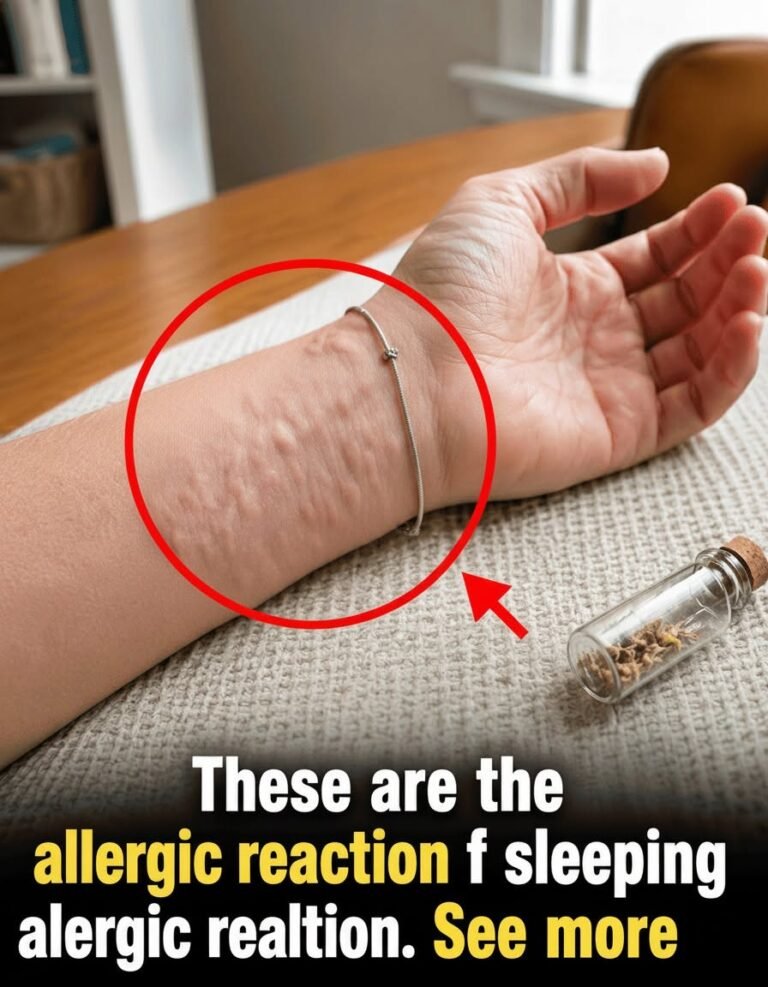
Contact dermatitis occurs when your skin reacts to something that touches it. Irritants can include soaps, detergents, disinfectants, chemicals, and frequent exposure to water. Allergic reactions can be triggered by substances such as fragrances, nickel, latex, or certain plants.
The rash is often itchy and may become red, irritated, dry, or blistered. Avoiding the substance responsible is an important part of treatment. ()
Folliculitis
If the red spots look like tiny pimples, particularly around hairs, folliculitis may be responsible. It occurs when hair follicles become irritated or infected. Shaving, tight clothing, friction, sweating, and poorly maintained hot tubs can contribute to the problem.
Mild cases may improve after the triggering activity is stopped, while some cases require treatment from a healthcare professional. (
Heat Rash
Heat rash can develop when sweat becomes trapped beneath the skin, especially during hot and humid weather. It commonly appears as clusters of small red or prickly bumps in areas where skin is covered or where there is friction.
Keeping the skin cool, dry, and free from excessive friction can help it settle.
Insect Bites
Mosquitoes, fleas, bedbugs, and other insects can cause small, itchy red bumps. An individual bite may have a small central mark, while multiple bites can appear in clusters.
Avoid scratching the area because broken skin can become infected.
Cherry Angiomas
Cherry angiomas are small, bright-red spots or bumps caused by an increased number of tiny blood vessels. They are common, particularly as people get older, and are generally harmless.
However, a spot that repeatedly bleeds, changes noticeably, or looks different from your other spots should be examined rather than automatically assumed to be a cherry angioma.
Causes That May Need Medical Evaluation
Not every red spot is simply irritation. Some rashes can be associated with infections, inflammatory skin conditions, allergic reactions, or other medical problems.
Eczema
Eczema can cause red, dry, itchy, inflamed patches of skin. It may flare repeatedly and can become worse when the skin barrier is irritated.
Moisturizing regularly and identifying triggers can help, but persistent or severe eczema may require medical treatment.
Rosacea
Rosacea commonly affects the face and can cause persistent redness, flushing, visible small blood vessels, and sometimes acne-like bumps. Unlike a temporary flush, the redness can become increasingly persistent over time.
If facial redness continues or repeatedly returns, a dermatologist can help determine whether rosacea or another condition is responsible.
Skin Infections
Redness accompanied by increasing warmth, swelling, tenderness, pus, or rapidly spreading inflammation can indicate an infection. These symptoms deserve medical attention, particularly if you also feel unwell or develop a fever.
Petechiae: Tiny Red or Purple Dots
Very small red, purple, or brownish-red dots that do not fade when pressed can sometimes represent bleeding beneath the skin, known as petechiae.
There are many possible causes, ranging from minor issues to conditions requiring urgent medical assessment. New, widespread, rapidly appearing, or unexplained petechiae should not be ignored.
When Should You See a Doctor?
A rash deserves prompt medical attention when it:
- Spreads rapidly
- Covers a large portion of the body
- Becomes painful
- Blisters or develops open sores
- Appears together with a fever or significant illness
- Involves the eyes, lips, mouth, or genital area
- Looks unusual and continues to worsen
These are among the warning signs dermatologists recommend taking seriously.
What You Can Do at Home
If the spots are mild and you otherwise feel well, start by observing them rather than immediately applying multiple products.
Use gentle, fragrance-free cleansers and moisturizers, avoid scratching, and stop using any new product that may be irritating your skin. If you suspect contact dermatitis, identifying and avoiding the trigger is particularly important.
Take a photograph when you first notice the spots. Comparing the appearance over several days can help you recognize whether they are fading, spreading, or changing.
The Bottom Line
Most red spots on the skin are not dangerous, but appearance alone cannot always reveal the cause. A harmless-looking bump can resemble an infection or inflammatory condition, while a serious rash may initially look ordinary.
Pay attention to changes in size, number, color, pain, spreading, and accompanying symptoms. When a rash spreads quickly, becomes painful, appears with fever or illness, blisters, or involves sensitive areas such as the eyes or mouth, seek medical care promptly.
And remember: this guide can help you recognize warning signs, but it cannot diagnose a skin condition. If you are unsure about a new or changing rash, a qualified healthcare professional or dermatologist is the safest person to evaluate it.