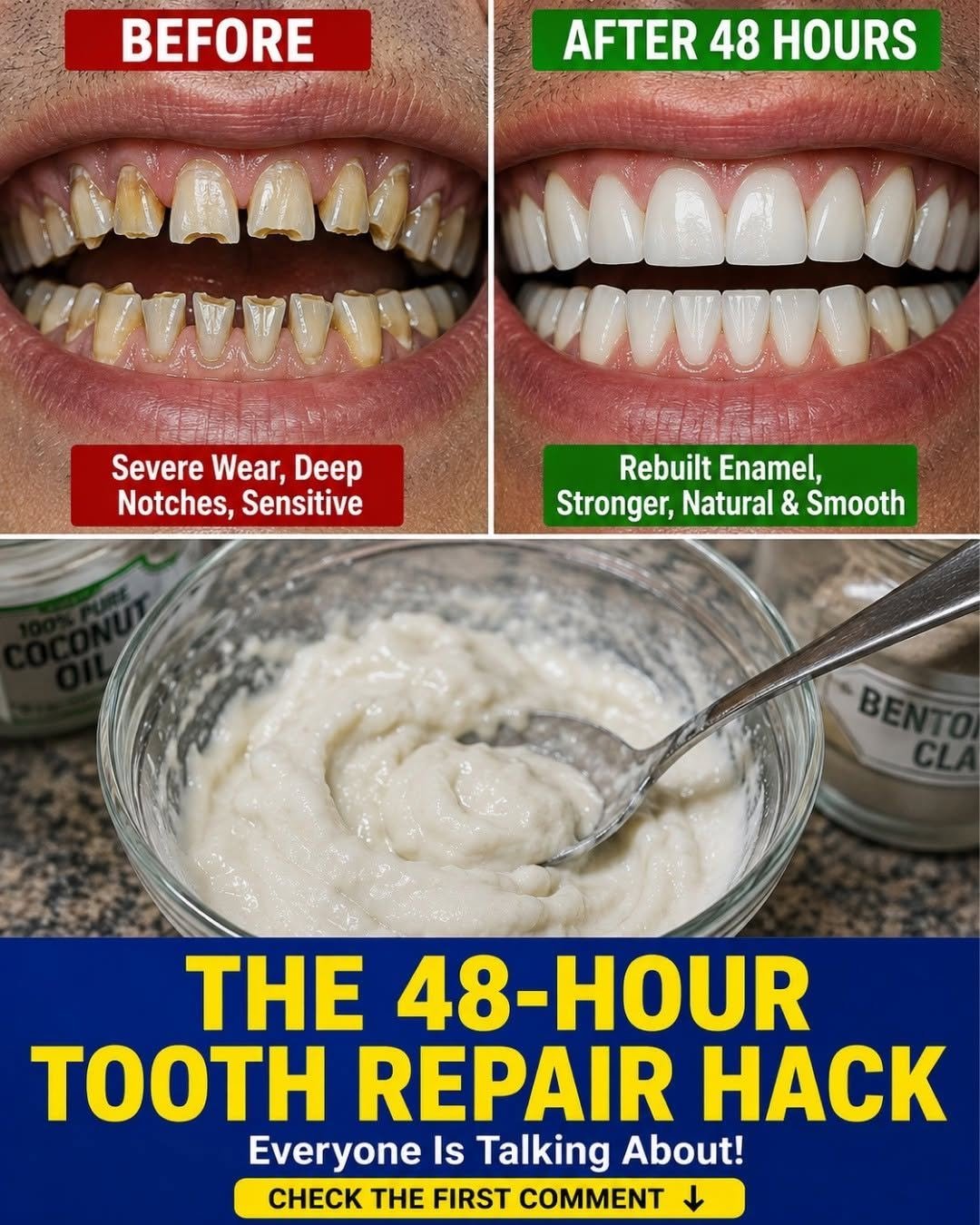
Tooth Notches at the Gumline: Causes, Sensitive Teeth Treatment, and How to Protect Your Smile
Tooth Notches at the Gumline: Causes, Sensitive Teeth Treatment, and How to Protect Your Smile
Tooth sensitivity can begin with something as simple as a sip of cold water. A sudden sharp sensation near the gumline may seem harmless, but repeated sensitivity can sometimes be a warning sign of enamel wear, gum recession, tooth erosion, or exposed dentin.
Those small grooves or notches around the neck of a tooth are sometimes called non-carious cervical lesions. They can develop gradually and may become more noticeable with age. Understanding what causes them — and knowing when to seek professional dental care — can help prevent the problem from becoming more serious.
What Causes Notches Near the Gumline?
The area where the tooth meets the gum is particularly vulnerable. Enamel becomes thinner toward the cervical portion of the tooth, while gum recession can expose the underlying root surface, which is naturally less resistant to acids and mechanical wear.
Several factors may contribute, including:
- Aggressive or incorrect tooth brushing
- Gum recession
- Acidic foods and beverages
- Acid reflux
- Teeth grinding or clenching
- Dry mouth
- Plaque and bacterial acids
- Poor oral hygiene
- Certain medications that reduce saliva production
In many cases, there isn’t one single cause. Several factors can work together over time.
Why Do Tooth Notches Cause Sensitivity?
Underneath the enamel is dentin, a more sensitive layer containing microscopic tubules that communicate with the nerve-containing portion of the tooth.
When enamel is worn away or the root becomes exposed because of gum recession, temperature changes and other stimuli can reach these areas more easily.
That is why sensitive teeth treatment often focuses on reducing exposure, strengthening vulnerable surfaces, managing gum problems, and identifying the underlying cause.
Cold drinks, hot foods, sweet foods and even cold air can trigger a short, sharp sensation.
However, persistent or severe tooth pain should not automatically be blamed on sensitivity. A cavity, cracked tooth, failing filling, gum disease, or another dental problem can produce similar symptoms.
Can Tooth Enamel Grow Back?
This is where online dental advice can become misleading.
Saliva naturally contributes minerals to the tooth surface, while fluoride can help make enamel more resistant to acid attacks.
For this reason, protecting the remaining enamel is extremely important.
A dentist may recommend fluoride toothpaste, professional fluoride treatment, desensitizing products, dietary changes, or other preventive measures depending on the cause.
The Importance of Fluoride for Tooth Protection
Fluoride remains one of the most established tools for preventing dental cavities and strengthening enamel.
Using a fluoride toothpaste twice a day can help reduce the risk of tooth decay. After brushing, it is generally better to spit out excess toothpaste rather than immediately washing the mouth repeatedly with large amounts of water, because this can reduce the amount of fluoride remaining on the teeth.
People with a high risk of cavities may benefit from additional fluoride treatment prescribed or recommended by a dentist.
What About Gum Recession?
Gum recession is another common reason people suddenly notice sensitivity near the gumline.
When gum tissue moves away from the tooth, the root surface can become exposed. Unlike the crown of the tooth, the root does not have a protective enamel covering.
Exposed roots can therefore be more vulnerable to:
- Temperature sensitivity
- Root decay
- Abrasion
- Plaque accumulation
- Further gum recession
If recession is progressing, simply changing toothpaste may not solve the underlying problem.
A periodontist or general dentist can evaluate the gums and determine whether treatment is necessary.
How to Brush Without Making the Problem Worse
Brushing harder does not mean brushing better.
Excessive pressure, particularly with an abrasive toothpaste or an inappropriate brushing technique, may contribute to wear around vulnerable areas.
A softer approach is usually preferable:
- Use a soft-bristled toothbrush.
- Apply gentle pressure.
- Brush for approximately two minutes.
- Clean along the gumline carefully.
- Replace the toothbrush or brush head regularly.
- Ask your dentist to demonstrate the appropriate technique.
If you grind or clench your teeth, discuss it with your dentist. A properly evaluated night guard for teeth grinding may be appropriate for some patients.
Be Careful With Acidic Foods and Drinks
Acid exposure can soften tooth surfaces temporarily.
Frequent consumption of soda, sports drinks, energy drinks, citrus beverages, vinegar-based products and other acidic foods can increase the risk of dental erosion.
You don’t necessarily have to eliminate every acidic food from your diet. Instead, consider reducing how frequently your teeth are exposed to acids.
After consuming an acidic drink, rinsing with water can help clear the mouth. Avoid brushing immediately after a significant acid exposure; waiting for a period of time allows the softened surface to recover.
Dry Mouth Can Increase Dental Problems
Saliva is much more important than simply keeping your mouth comfortable.
It helps lubricate oral tissues, clear food particles and acids, and provides minerals that support the tooth surface.
Dry mouth treatment depends on its cause. Dehydration, medications, certain medical conditions and other factors can reduce saliva production.
If your mouth frequently feels dry, your dentist or healthcare professional can help identify the cause and recommend appropriate management.
When Should You See a Dentist?
A small notch does not necessarily mean that you need an expensive dental procedure.
But professional evaluation is important when:
- Sensitivity is becoming worse
- Pain lasts after the cold or hot stimulus is removed
- A visible groove is getting deeper
- The tooth has changed color
- You have bleeding or receding gums
- You experience pain while biting
- A tooth appears cracked or damaged
- You have persistent bad breath or swelling
A dentist can determine whether the problem is caused by erosion, abrasion, gum recession, tooth decay, grinding, or another condition.
Depending on the diagnosis, treatment could range from preventive care and sensitive teeth treatment to dental bonding, a filling, gum treatment, root coverage procedures, or other restorative dentistry.
Can Dental Bonding Repair Tooth Notches?
For certain non-carious cervical lesions, cosmetic dental bonding may be considered.
During bonding treatment, a dentist places a tooth-colored restorative material over the affected area. This can improve the appearance of the tooth and may reduce sensitivity when the underlying cause has been appropriately addressed.
However, bonding is not a universal solution. If gum recession, grinding, acid erosion, or an aggressive brushing habit continues, the underlying problem may remain.
The best treatment is therefore based on the cause — not simply the appearance of the notch.
Protect Your Teeth Before the Damage Becomes Serious
The goal isn’t to find a miracle ingredient that supposedly rebuilds a damaged tooth overnight.
The more reliable strategy is to protect the natural tooth surface, control acid exposure, maintain healthy gums, use fluoride appropriately, manage dry mouth, and address habits such as aggressive brushing or teeth grinding.
Regular professional dental care can also identify small problems before they become expensive restorative procedures.
Final Thoughts
Tooth sensitivity and small notches near the gumline should not be ignored, especially when they are getting worse.
Your teeth have natural defense mechanisms, including saliva and remineralization, but those defenses have limits. Once enamel or tooth structure has been physically lost, professional treatment may be required.
If cold water repeatedly causes a sharp sensation, don’t simply accept it as a normal part of aging. A dental examination can identify the real cause and help you choose the safest tooth sensitivity treatment for your situation.
Protecting your natural teeth today can potentially save you from more complicated restorative dentistry, dental crown, root canal, or dental implant procedures later.