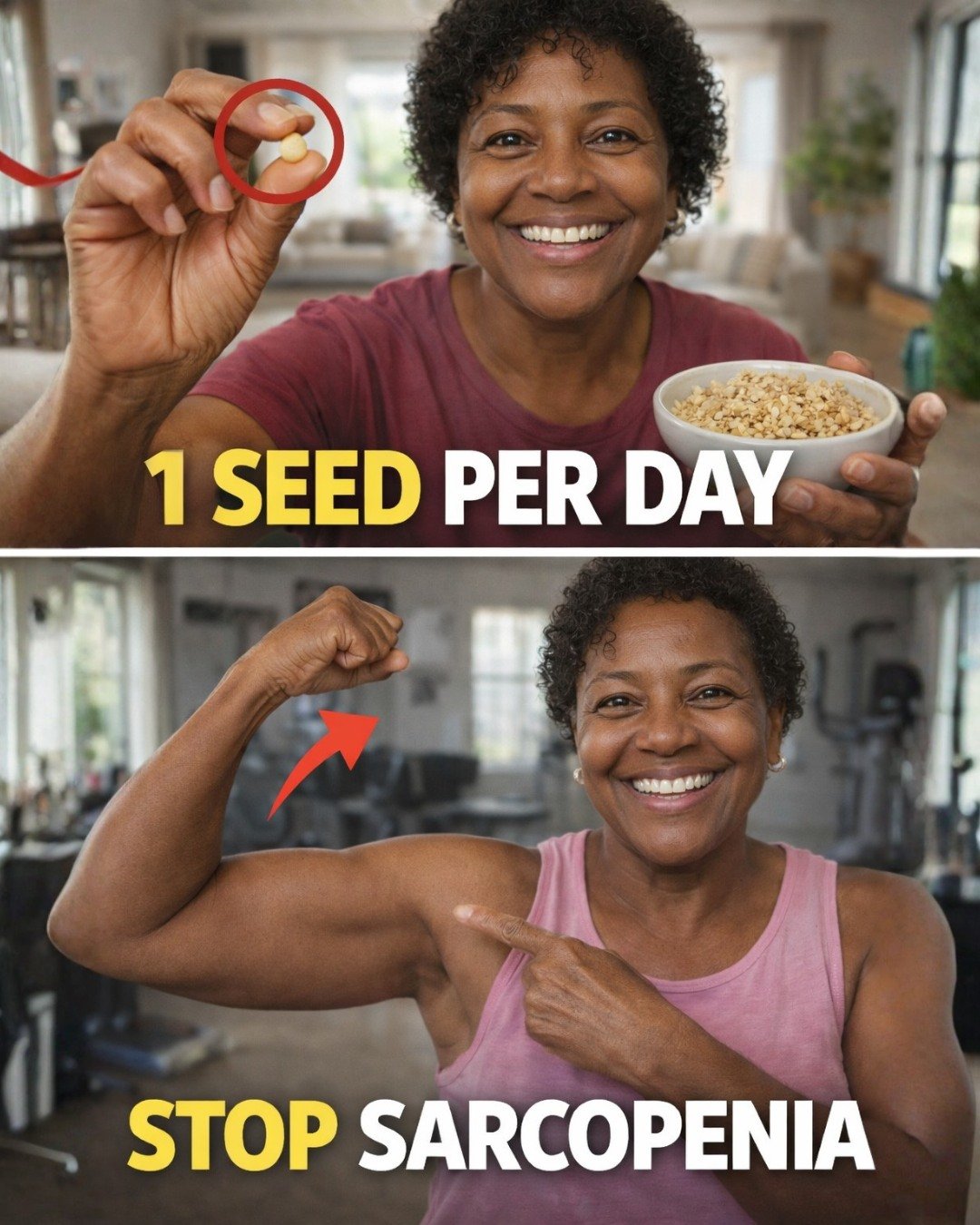
As we get older, it’s common to notice our strength slipping away little by little, making once-simple tasks like climbing stairs or carrying grocery bags feel more difficult and tiring. This gradual loss of muscle mass and function, known as sarcopenia, can quietly impact our independence, balance, and overall quality of life in ways we never expected when we were younger. The good news is that small, everyday dietary choices might offer meaningful support in maintaining muscle health during our later years. But what if something as simple as one small seed added to your routine could play a supportive role? Keep reading to uncover which seed is sparking interest among health-conscious seniors and exactly how to make it part of your day.
Understanding Sarcopenia and Why Nutrition Matters More Than Ever
Sarcopenia refers to the natural age-related decline in muscle mass and strength that often picks up speed after age 50 or 60. It is not just about appearance — it can affect how easily we move, our energy levels, and even our confidence in daily activities. Factors like changes in protein use by the body, hormonal shifts, and reduced activity levels all play a part. The encouraging news? Research suggests that consistent nutrition, paired with movement, can help support how our muscles respond to aging.
Why Flaxseeds Are Getting Attention for Muscle Support in Later Life
But here’s what makes this topic so interesting right now. Flaxseeds — those tiny, golden-brown seeds available in most grocery stores — contain a unique mix of nutrients that align well with the needs of older adults. They are rich in plant-based omega-3 fatty acids (called ALA), fiber, lignans, and a modest amount of protein. Studies exploring omega-3s indicate these compounds may help support muscle protein processes and reduce everyday inflammation when part of a balanced eating pattern.
But that’s not all. The fiber and antioxidants in flaxseeds also contribute to steady energy and digestive comfort, two things that become more important as we focus on staying active longer.
The Nutritional Profile That Makes Flaxseeds Stand Out
Here is a quick look at what one small daily serving of ground flaxseeds can bring to the table:
- Omega-3 Fatty Acids (ALA): May help support cellular health and comfort in muscle tissue.
- Plant Protein and Fiber: Helps meet daily protein goals while promoting fullness and gut health.
- Lignans: Natural compounds with antioxidant properties that research links to overall wellness in aging.
- Low-Calorie Density: Delivers nutrients without adding many extra calories to your meals.
A typical serving is just one to two tablespoons of ground flax — easy to fit into any routine without feeling overwhelming.
Simple Step-by-Step Ways to Add Flaxseeds to Your Day
The best part? Getting started with flaxseeds is straightforward and requires no special equipment or expensive supplements. Here is an easy, actionable plan you can begin today:
- Choose the right form — Always use ground flaxseeds (or grind whole ones fresh in a coffee grinder). Whole seeds mostly pass through undigested.
- Start slow — Begin with just one teaspoon daily for the first week so your body adjusts comfortably to the extra fiber.
- Store smart — Keep ground flax in an airtight container in the refrigerator to keep it fresh and prevent it from going rancid.
- Mix it in — Stir into morning oatmeal, yogurt, smoothies, or even sprinkle over salads and soups.
And here is where it gets even easier — you can hide the mild, nutty taste in almost any food you already enjoy.
Creative and Delicious Ideas to Enjoy Flaxseeds Daily
- Sprinkle a spoonful over avocado toast or your favorite breakfast cereal for a quick boost.
- Blend into fruit smoothies or protein shakes for creamier texture and added nutrition.
- Stir into soups, stews, or casseroles right before serving.
- Use as a simple egg replacer in baking (mix one tablespoon ground flax with three tablespoons water and let it sit for a few minutes).
These small swaps take almost no extra time but can become habits that feel natural after just a week or two.
Pairing Flaxseeds With Movement for Better Results
Nutrition works best when combined with gentle strength-building activities. Research shows that resistance exercises — even light ones done at home — help the body make better use of the protein and nutrients we eat. Think chair squats, resistance bands, or short walks while carrying light weights. Adding your daily flaxseed habit to a consistent movement routine may amplify the supportive effects on strength and mobility over time.
What Science Suggests About Seeds and Healthy Aging
Multiple nutrition studies have looked at how omega-3 fatty acids and plant compounds influence muscle health in older adults. While no single food is a complete answer, the evidence points to diets rich in these nutrients helping support muscle maintenance when combined with protein and activity. Flaxseeds fit nicely into that picture because of their convenient nutrient package and easy availability.
Other Wellness Perks That Make Flaxseeds a Smart Daily Choice
Interestingly, the same omega-3s and lignans that draw attention for muscle support are also studied for heart health and antioxidant benefits. This makes flaxseeds a practical, all-around addition for anyone focused on feeling their best in the years ahead.
Common Questions About Flaxseeds and Muscle Health
How much flaxseed is recommended daily?
Most guidance suggests one to two tablespoons of ground flaxseeds per day. Start lower if you are new to high-fiber foods and check with your doctor for personal advice.
Are there any side effects I should know about?
Some people notice mild digestive changes at first because of the fiber increase. Drinking plenty of water and starting gradually usually helps the body adapt smoothly.
Can I use flaxseed oil instead of the seeds?
Flaxseed oil gives you the omega-3s but misses out on the fiber and lignans found in the whole ground seeds. For broader nutritional support, the ground form is usually preferred.
Wrapping Up: Small Daily Habits That Add Up
Incorporating one small seed like flaxseeds into your routine is an easy, low-effort step that fits right into real life. When paired with regular movement, balanced meals, and good rest, it becomes part of a bigger picture for staying strong and independent longer. The best changes are the ones you can actually stick with — and this one is simple enough to last.
Disclaimer: This article is for informational purposes only and is not intended to diagnose, treat, or cure any medical condition. Always consult your healthcare provider before making changes to your diet or starting new habits, especially if you have health concerns or take medications. Individual results may vary.