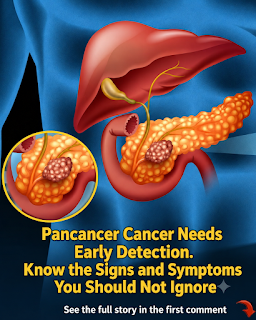
Pancreatic Cancer Warning Signs You Should Never Ignore: Symptoms That Deserve Medical Attention
Pancreatic Cancer Warning Signs You Should Never Ignore: Symptoms That Deserve Medical Attention
Pancreatic cancer can be difficult to detect in its early stages because its symptoms may be mild, vague, or similar to common digestive problems. In some people, noticeable symptoms do not appear until the disease has progressed.
That doesn’t mean every episode of abdominal pain, indigestion, or fatigue is a sign of cancer. Most of these symptoms have many possible causes. However, persistent, unexplained, or worsening changes should not be ignored.
Understanding the potential warning signs can help you recognize when it’s time to speak with a healthcare professional.
What Is the Pancreas?
The pancreas is a gland located behind the stomach in the upper abdomen. It performs two important functions:
- Producing digestive enzymes that help break down food
- Producing hormones, including insulin, that help regulate blood sugar
Pancreatic cancer develops when abnormal cells in the pancreas begin growing uncontrollably. The most common form is pancreatic ductal adenocarcinoma.
Because the pancreas is located deep inside the abdomen, early changes may be difficult to notice.
1. Persistent Upper Abdominal or Back Pain
Pain in the upper abdomen that continues for weeks or gradually becomes worse can sometimes occur with pancreatic cancer.
The discomfort may:
- Spread toward the back
- Become more noticeable after eating
- Feel worse when lying down
- Improve somewhat when leaning forward
However, abdominal and back pain are much more commonly caused by conditions such as indigestion, ulcers, gallstones, gastritis, or muscle problems.
Persistent or unexplained pain deserves medical evaluation.
2. Yellowing of the Skin or Eyes
Jaundice is an important symptom that should be evaluated promptly.
It can occur when a tumor blocks the bile duct, preventing bile from flowing normally.
Possible signs include:
- Yellow skin
- Yellowing of the whites of the eyes
- Dark urine
- Pale or clay-colored stools
- Persistent itching
Pancreatic cancer is only one possible cause of jaundice. Gallstones, liver disease, and other conditions can also cause it.
Nevertheless, new or unexplained jaundice should receive prompt medical attention.
3. Unexplained Weight Loss
Losing weight without intentionally changing your diet or exercise routine can have many causes, including digestive disorders, thyroid problems, infections, and other illnesses.
In pancreatic cancer, weight loss may occur because of reduced appetite, changes in digestion, or problems absorbing nutrients.
Unexpected weight loss becomes particularly important when it occurs together with other persistent symptoms.
4. Ongoing Digestive Problems
Because the pancreas produces enzymes needed to digest food, problems involving the pancreas can sometimes affect digestion.
Possible symptoms include:
- Persistent bloating
- Indigestion
- Nausea
- Discomfort after eating
- Feeling unusually full
- Difficulty tolerating fatty foods
These symptoms are extremely common and usually have causes other than cancer. However, symptoms that persist or progressively worsen should be discussed with a healthcare professional.
5. Changes in Bowel Movements
Changes in stool appearance can sometimes occur when pancreatic digestive enzymes are insufficient.
Possible changes include:
- Pale stools
- Greasy or oily stools
- Floating stools
- Particularly foul-smelling stools
- Diarrhea
Fatty, oily stools are sometimes referred to as steatorrhea and can occur when the body has difficulty digesting or absorbing fat.
Persistent changes in bowel habits should be evaluated rather than attributed automatically to pancreatic cancer.
6. New-Onset Diabetes
In some people, pancreatic problems can affect insulin production and blood-sugar regulation.
As a result, pancreatic cancer may sometimes be associated with newly diagnosed diabetes, particularly in older adults.
Possible symptoms of diabetes include:
- Increased thirst
- Frequent urination
- Fatigue
- Blurred vision
- Elevated blood sugar
Importantly, most people who develop diabetes do not have pancreatic cancer. New-onset diabetes is simply one factor that healthcare professionals may consider alongside other symptoms and risk factors.
7. Persistent or Unusual Fatigue
Fatigue is common and can result from poor sleep, stress, anemia, infections, medication effects, and numerous other conditions.
However, persistent fatigue that does not improve with adequate rest—especially when accompanied by weight loss, abdominal symptoms, jaundice, or other unusual changes—should be discussed with a healthcare professional.
8. Blood Clots
Some cancers, including pancreatic cancer, can increase the risk of blood clots.
A clot in a deep vein of the leg, known as deep vein thrombosis (DVT), may cause:
- Swelling in one leg
- Leg pain or tenderness
- Warmth
- Redness
If a blood clot travels to the lungs, it can cause a pulmonary embolism, which is a medical emergency.
Sudden shortness of breath, chest pain, coughing up blood, fainting, or severe breathing difficulty requires emergency medical attention.
9. Fever or Chills
Fever and chills are not specific signs of pancreatic cancer, but they can occur when complications such as bile duct obstruction and infection develop.
Symptoms such as fever, shaking chills, sweating, jaundice, or feeling seriously unwell require prompt medical evaluation.
10. Persistent Itching
Severe or unexplained itching can sometimes accompany bile-flow obstruction.
When bile cannot drain normally, substances associated with bile can accumulate in the body and contribute to widespread itching.
Itching may occur together with jaundice, dark urine, or pale stools, although it can also have many other causes.
When Should You See a Healthcare Professional?
Make an appointment with a healthcare professional if you experience persistent or unexplained:
- Upper abdominal pain that may spread to the back
- Yellowing of the skin or eyes
- Unintentional weight loss
- Significant changes in digestion
- Pale, greasy, or oily stools
- New-onset diabetes
- Persistent fatigue
- Unexplained itching
These symptoms do not mean you have pancreatic cancer. They simply deserve appropriate evaluation so the underlying cause can be identified.
Can Pancreatic Cancer Be Detected Early?
Pancreatic cancer can be challenging to diagnose early because its symptoms may be subtle and nonspecific.
Routine pancreatic cancer screening is not generally recommended for people at average risk. However, individuals with certain inherited genetic conditions or a strong family history may qualify for specialized surveillance.
If you have significant risk factors, discuss them with your healthcare professional. They can help determine whether additional evaluation or specialized screening is appropriate.
Listen to Persistent Changes in Your Body
The most important message is not to panic—it is to pay attention.
Abdominal discomfort, indigestion, fatigue, or changes in bowel habits are usually caused by conditions other than pancreatic cancer. But when symptoms are persistent, unexplained, or occur together, seeking medical advice is a sensible step.
Early evaluation may provide reassurance or identify another condition that needs treatment.
Final Thoughts
Pancreatic cancer can develop without obvious early symptoms, which is why persistent changes in your health deserve attention.
Unexplained weight loss, jaundice, ongoing upper abdominal or back pain, significant digestive changes, new-onset diabetes, and persistent fatigue should not simply be dismissed.
If you are experiencing concerning symptoms, speak with a qualified healthcare professional rather than trying to determine the cause yourself.
Your symptoms may have a completely different and treatable explanation—but getting evaluated is the best way to find out.
Disclaimer: This article is for general educational and informational purposes only. It is not a substitute for professional medical advice, diagnosis, or treatment. If you have persistent, severe, or worsening symptoms, consult a qualified healthcare professional. Seek urgent medical attention for severe breathing difficulty, sudden severe chest or abdominal pain, fainting, or other emergency symptoms.