
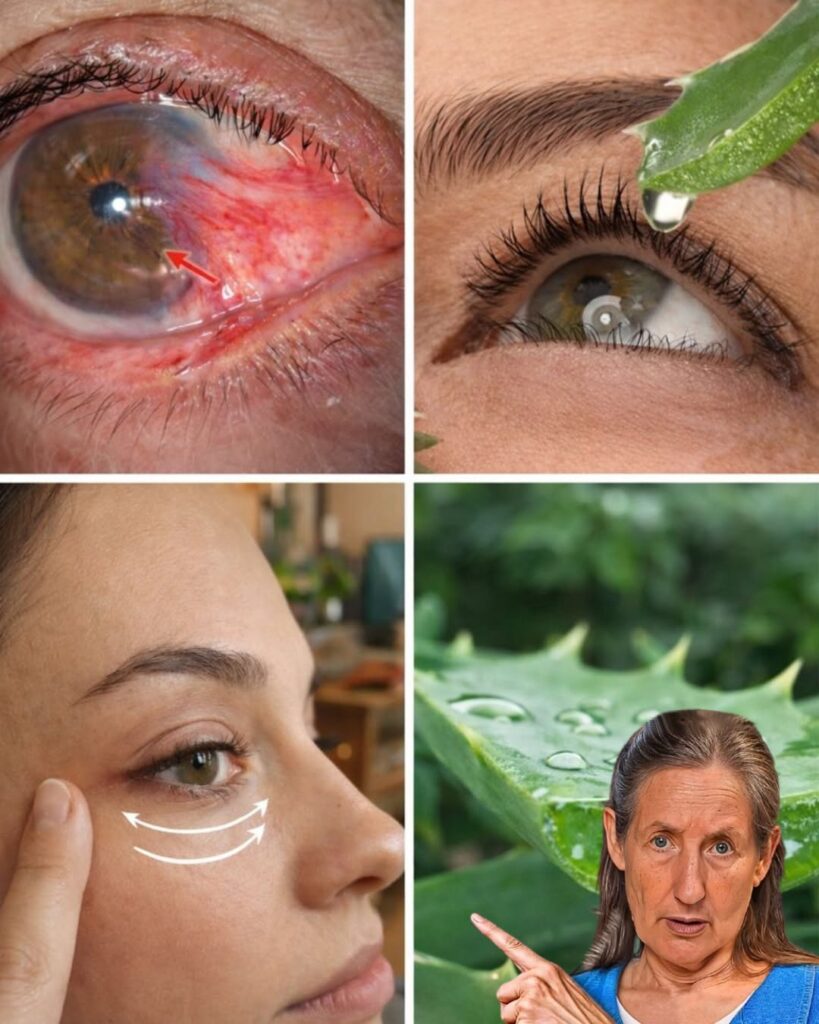
Dry eyes, redness, and irritation affect millions of people daily, making simple tasks like reading, working on screens, or even resting feel uncomfortable. Many experience that gritty, burning sensation after hours of screen time or exposure to dry air, often leading to frustration and fatigue. Over-the-counter artificial tears provide temporary relief for some, but others find the discomfort persists, especially with age or increased digital device use.
Recent estimates suggest that dry eye symptoms impact a significant portion of adults in the United States, with prevalence increasing with age and modern lifestyles. If you’re dealing with these issues, you’re not alone. Research has explored various natural options, including aloe vera, for potential soothing support. Stick around to discover what studies suggest about this ancient plant and how it might fit into your eye comfort routine—there’s an unexpected insight toward the end that many overlook.
Understanding Dry Eyes and Common Triggers
Dry eye symptoms often arise when your eyes don’t produce enough tears or when tears evaporate too quickly. This can lead to redness, irritation, a sandy feeling, and even temporary blurred vision.
Factors like prolonged screen time, air conditioning, aging, and environmental irritants contribute significantly. For many over 40, these issues become more noticeable, disrupting focus and daily energy.
While conventional options like preservative-free drops help many, some seek gentler, plant-based alternatives. This is where aloe vera enters the conversation.
What Makes Aloe Vera Interesting for Eye Comfort?
Aloe vera, the gel from the leaves of the Aloe barbadensis plant, has been used traditionally for its soothing properties. The gel is rich in polysaccharides, vitamins, and compounds studied for their potential moisturizing and calming effects.
Research, including lab studies on human corneal cells, has examined filtered aloe vera extracts at low concentrations. These suggest the plant may support reduced inflammation markers and help maintain moisture in eye tissues without apparent toxicity in controlled settings (e.g., studies from PubMed and Taylor & Francis journals).
A more recent 2025 clinical study explored artificial tears containing aloe vera and hypromellose, showing potential benefits for mild dry eye symptoms, including improved tear stability and reduced irritation over three months.
But that’s not all—let’s explore specific ways this plant might offer support.
Potential Benefits Backed by Emerging Research
Here are some areas where studies have looked at aloe vera’s role:
- Moisturizing Support — Polysaccharides in aloe vera can help lock in moisture, similar to how natural tears work. Some formulations mimic this for better hydration on the ocular surface.
- Calming Redness — Anti-inflammatory compounds like anthraquinones may help ease vascular responses that contribute to redness, based on lab and animal research.
- Soothing Irritation — The gel’s gentle nature has been studied for reducing discomfort from environmental stressors, with potential modulation of inflammatory signals.
- Antioxidant Protection — Compounds in aloe vera show promise in shielding cells from oxidative stress, which can affect delicate eye tissues (noted in MDPI and PMC publications).
- Skin Around the Eyes — When applied topically to eyelids, pure aloe vera gel may hydrate the delicate periorbital area, potentially reducing dryness and puffiness.
Studies emphasize low concentrations and external use, with some commercial eye drops now incorporating aloe vera for added comfort.
Quick Comparison: Common Approaches vs. Natural Options
- Artificial tears: Quick moisture but may include preservatives that irritate over time
- Warm compresses: Improve gland function but require daily effort
- Aloe vera-based options: Plant-derived hydration and calming, often preservative-free in specialized products
How to Consider Aloe Vera Safely: Actionable Tips
Always prioritize safety—never apply pure gel directly into the eyes, as it can cause stinging or irritation.
Step-by-Step for External Use (Eyelids Only):
- Choose 100% pure, organic aloe vera gel (no additives, alcohol, or fragrances).
- Perform a patch test: Apply a small amount to your inner wrist and wait 24 hours.
- If no reaction, gently apply a thin layer to clean, closed eyelids using clean fingers or a cotton pad.
- Avoid the lash line and inner eye area.
- Use chilled gel for extra cooling.
- Rinse with cool water if any discomfort occurs.
For those interested in eye drops, look for commercially prepared, sterile products specifically formulated with aloe vera extract (consult packaging for instructions).
Start small and observe how your eyes respond.
The Overlooked Insight: Consistency and Holistic Habits
The real value often comes from consistent, gentle routines combined with good habits—like the 20-20-20 rule for screen breaks, staying hydrated, and using a humidifier. Aloe vera can complement these, but it’s not a standalone fix. Emerging data points to its role in supporting overall ocular surface wellness when used thoughtfully.
Conclusion: Exploring Nature’s Options Mindfully
Aloe vera offers intriguing potential as a natural ally for those seeking support for dry, red, and irritated eyes, with research highlighting its moisturizing, calming, and protective properties. Many find it a refreshing addition to their routine, especially when conventional options fall short.
Try incorporating it safely and note how your eyes feel over time. Small changes can make a noticeable difference in daily comfort.
FAQ
Is aloe vera safe to use near the eyes?
For most people, pure aloe vera gel is considered safe for external eyelid application when used cautiously and at low concentrations. Avoid direct contact with the eyes, and opt for sterile, eye-specific formulations when possible.
How do I choose the right aloe vera product?
Look for 100% pure, organic gel without alcohol, preservatives, or fragrances. For eye use, commercial preservative-free drops containing aloe vera extract are often recommended.
Can aloe vera replace my regular eye drops?
It may complement your routine, but it shouldn’t replace prescribed treatments. Always check with an eye care professional for personalized advice.
Disclaimer
This article is for informational purposes only and does not constitute medical advice. The information provided is based on available research and general knowledge. Eye conditions can vary widely, so consult an eye care specialist or healthcare provider before trying any new remedies, especially if you have existing eye issues, wear contact lenses, or experience persistent symptoms. Individual results may vary, and professional guidance is essential for safe use.
(Word count: ~1,320)
(Ready for images—reply with “A” to generate 2 unique, realistic UGC mobile photography style illustrations focused on aloe vera as the ingredient: one showing fresh leaf gel being extracted, another showing prepared pure gel ready for use, both in 16:9 ratio, natural everyday feel.)