🍋 Can Lemons Help Varicose Veins? Here’s What the Evidence Says
🍋 Can Lemons Help Varicose Veins? Here’s What the Evidence Says
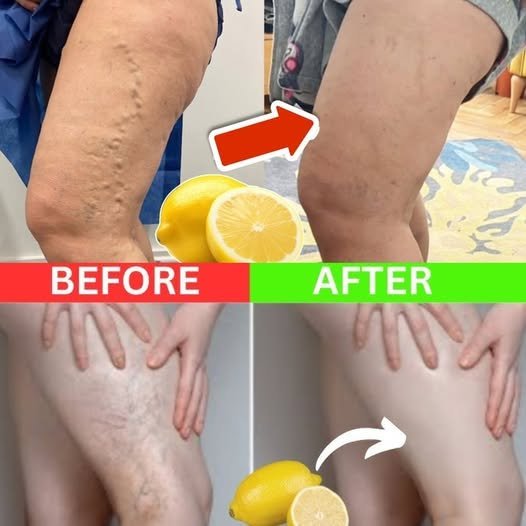
Varicose veins are enlarged, twisted veins that commonly appear on the legs and feet. They develop when the valves inside the veins become weak, allowing blood to pool instead of flowing efficiently back to the heart.
Many home remedies claim that lemons can reduce or even eliminate varicose veins. While lemons are rich in beneficial nutrients, the scientific evidence does not support the idea that they can cure or significantly reduce varicose veins.
Here’s what you should know.
Why Lemons Are Considered Beneficial
Lemons are a good source of:
- Vitamin C
- Flavonoids
- Antioxidants
Vitamin C is important for collagen production, which helps maintain healthy skin and blood vessels. Antioxidants also help protect cells from oxidative stress as part of a balanced diet.
However, these nutritional benefits do not mean lemon juice can reverse damaged veins.
Can Lemon Juice Improve Varicose Veins?
There is no strong scientific evidence that applying lemon juice to the skin can shrink varicose veins or restore damaged vein valves.
Some people enjoy using lemon in massage oils because it feels refreshing, but any temporary relief is more likely due to the gentle massage than the lemon itself.
Applying fresh lemon juice directly to the skin may also cause:
- Skin irritation
- Dryness
- Burning sensations
- Increased sensitivity to sunlight
- Dark skin patches after sun exposure (phytophotodermatitis)
For these reasons, applying lemon juice directly to the skin is generally not recommended.
Does Drinking Lemon Water Help?
Drinking lemon water is a healthy way to stay hydrated and adds a small amount of vitamin C to your diet.
Good hydration supports overall health, but lemon water has not been shown to treat varicose veins.
Evidence-Based Ways to Manage Varicose Veins
While home remedies may provide temporary comfort, the following approaches have stronger medical support:
- Exercise regularly to improve circulation.
- Maintain a healthy body weight.
- Avoid standing or sitting for long periods.
- Elevate your legs when resting.
- Wear compression stockings if recommended by your healthcare provider.
- Eat a balanced diet rich in fruits, vegetables, whole grains, and fiber.
When to See a Doctor
Seek medical advice if your varicose veins are accompanied by:
- Persistent pain or swelling
- Skin discoloration
- Open sores or ulcers
- Bleeding from a vein
- Sudden redness, warmth, or severe leg pain
These symptoms may require prompt medical evaluation.
Medical Treatments
If varicose veins cause significant symptoms, a healthcare professional may recommend treatments such as:
- Compression therapy
- Sclerotherapy
- Endovenous laser treatment
- Radiofrequency ablation
- Surgical procedures in selected cases
Modern treatments are often minimally invasive and highly effective.
Final Thoughts
Lemons are a nutritious fruit that can be part of a healthy diet, but they are not a proven treatment for varicose veins. Drinking lemon water may support overall wellness, while applying lemon juice directly to the skin can cause irritation and should be approached with caution.
The best way to manage varicose veins is through healthy lifestyle habits, appropriate medical care, and professional evaluation when symptoms become bothersome or worsen.