Cloves and Petroleum Jelly: What Are the Potential Benefits?
Cloves and Petroleum Jelly: What Are the Potential Benefits?
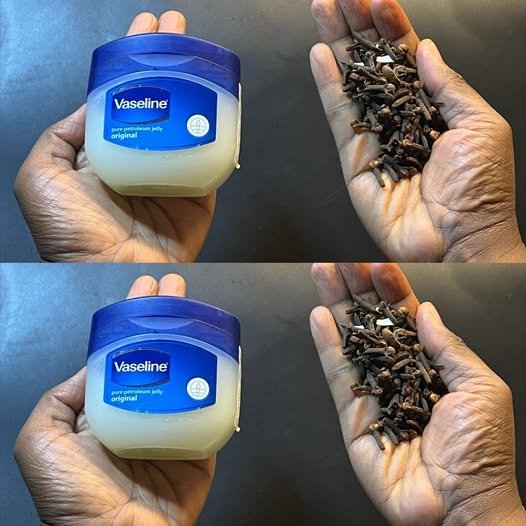
Cloves have been valued in traditional medicine for centuries, while petroleum jelly (commonly known by the brand name Vaseline®) is a well-known skin protectant. Some people combine the two in homemade skin care remedies, believing they can help with dry skin, minor blemishes, or temporary muscle discomfort.
Although this combination is popular in DIY beauty routines, it’s important to separate traditional uses from what scientific evidence currently supports.
Why Cloves?
Cloves contain a natural compound called eugenol, which has demonstrated antimicrobial, antioxidant, and anti-inflammatory properties in laboratory studies. Clove oil has also been used in dentistry for its temporary numbing effect.
However, clove oil is highly concentrated and can irritate or burn the skin if applied undiluted.
Why Petroleum Jelly?
Petroleum jelly is an effective skin protectant that:
- Locks in moisture
- Helps protect the skin barrier
- Reduces water loss from the skin
- Helps soothe dry, cracked skin
It does not treat infections or acne, but it can help protect dry or irritated skin.
Possible Uses
1. Moisturizing Dry Skin
Adding a very small amount of diluted clove oil to petroleum jelly may create a moisturizing balm with a pleasant aroma.
People with sensitive skin should be cautious, as clove oil may cause irritation.
2. Temporary Comfort for Sore Muscles
Some people massage diluted clove oil mixed with petroleum jelly onto sore muscles. Eugenol may provide a mild warming or soothing sensation.
However, this should not replace medical treatment for persistent or severe pain.
3. Spot Treatment for Minor Blemishes
Because cloves have antimicrobial properties, some people use diluted clove oil on individual blemishes.
There is limited scientific evidence that this homemade remedy effectively treats acne, and petroleum jelly may not be suitable for acne-prone skin because it can feel heavy, although it is generally considered non-comedogenic.
How to Prepare Safely
If you choose to try this mixture:
Ingredients
- 1 teaspoon petroleum jelly
- 1 drop of clove essential oil (do not use more)
Directions
- Mix thoroughly.
- Perform a patch test on a small area of skin.
- Wait 24 hours to check for redness, itching, or irritation.
- If no reaction occurs, apply a thin layer only to the desired area.
Safety Precautions
- Never apply undiluted clove essential oil directly to the skin.
- Avoid contact with the eyes, mouth, and other sensitive areas.
- Do not apply to broken or damaged skin.
- Stop use immediately if irritation develops.
- Children, pregnant women, and people with sensitive skin should consult a healthcare professional before using essential oils.
What the Evidence Says
Current scientific evidence does not show that mixing cloves with petroleum jelly can:
- Remove wrinkles overnight
- Permanently eliminate acne
- Cure arthritis
- Reverse skin aging
- Treat serious skin infections
The mixture may provide moisturizing benefits and temporary soothing effects for some people, but it should not replace proven medical treatments.
Final Thoughts
A mixture of cloves and petroleum jelly is a popular home remedy that may help moisturize dry skin and provide temporary comfort for minor muscle soreness. However, its benefits are modest, and clove oil should always be used carefully because it can irritate the skin.
For persistent acne, severe pain, or ongoing skin problems, it’s best to consult a qualified healthcare professional for an accurate diagnosis and appropriate treatment.