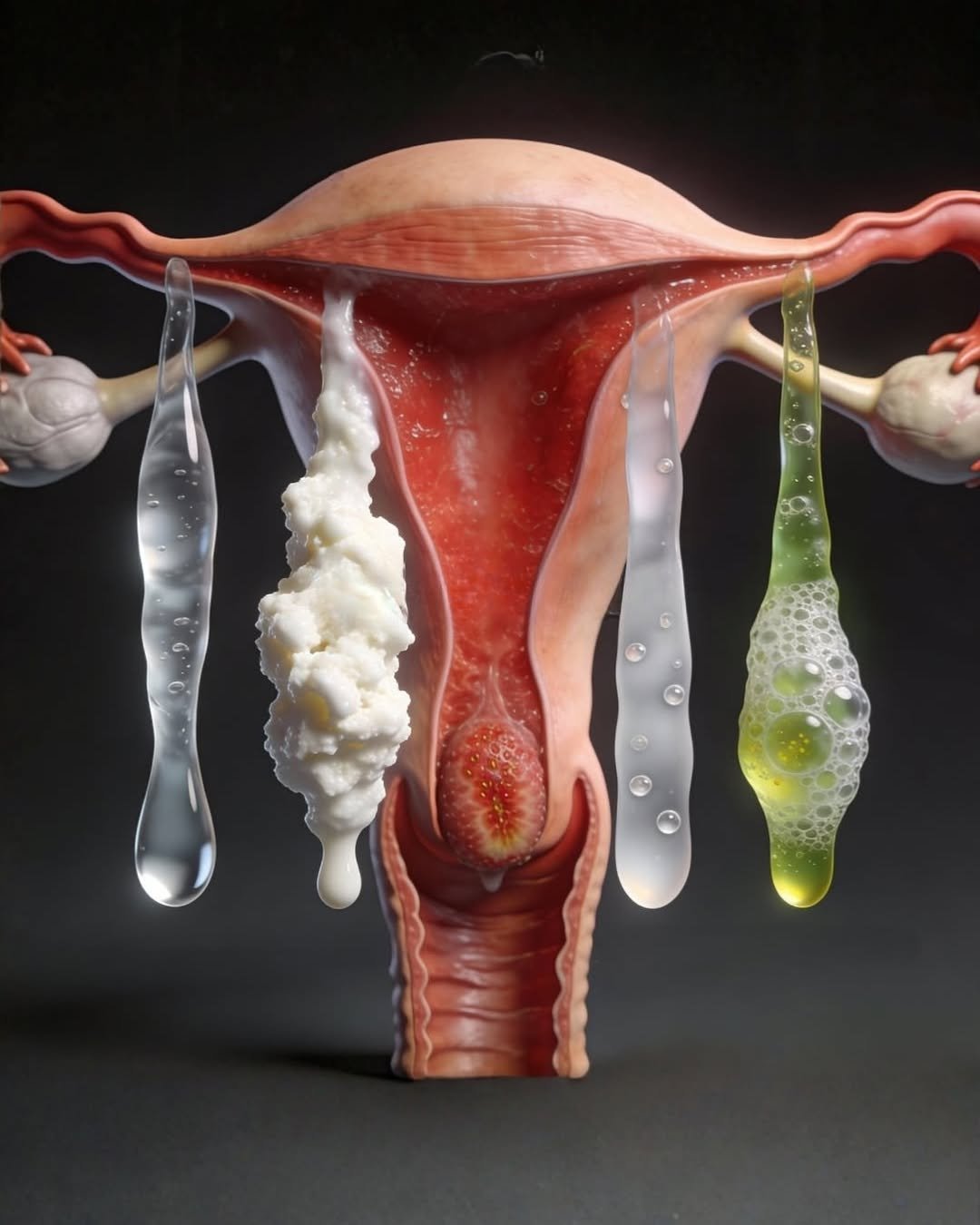
Everything You Need to Know About Vaginal Discharge
Everything You Need to Know About Vaginal Discharge
Vaginal discharge is a normal and healthy part of the female reproductive system. Although it can sometimes feel uncomfortable to talk about, understanding what’s normal—and what may signal a problem—can help you take better care of your reproductive health.
From puberty through menopause, vaginal discharge changes in response to hormones, the menstrual cycle, pregnancy, and other life stages. Most of the time, these changes are completely normal.
What Is Vaginal Discharge?
Vaginal discharge is a fluid produced by glands in the vagina and cervix. It helps:
- Keep the vagina clean
- Maintain moisture and lubrication
- Remove dead cells and bacteria
- Support the natural balance of healthy microorganisms
- Protect against infection
Healthy discharge is a sign that the vagina’s self-cleaning system is working properly.
What Does Normal Vaginal Discharge Look Like?
Normal discharge varies from person to person, but it is usually:
- Clear, white, or off-white
- Mild-smelling or odorless
- Smooth, creamy, or slightly stretchy
- Not associated with itching, burning, or pain
The amount of discharge can also vary throughout the month.
Why Does Vaginal Discharge Change?
Hormonal changes naturally affect vaginal discharge.
Around Ovulation
Discharge often becomes:
- Clear
- Slippery
- Stretchy, similar to raw egg whites
This helps sperm move more easily through the reproductive tract.
Before or After Menstruation
Discharge may become:
- Creamy
- Thick
- White
Some people also notice less discharge immediately after their period.
During Pregnancy
Many pregnant women experience increased discharge because of hormonal changes and increased blood flow to the reproductive organs.
The discharge is usually thin, white, or milky and should not have a strong odor.
During Menopause
As estrogen levels decline, discharge often decreases, and vaginal dryness becomes more common. This may cause discomfort during daily activities or sexual intercourse.
When Should Vaginal Discharge Be Evaluated?
Changes in discharge deserve medical attention when they are accompanied by symptoms such as:
- A strong or unpleasant odor
- Yellow, green, or gray discharge
- Thick, cottage cheese-like discharge with itching
- Vaginal burning or irritation
- Pain during urination
- Pain during sexual intercourse
- Vaginal bleeding unrelated to menstruation
- Pelvic pain or fever
These symptoms may indicate an infection or another medical condition.
Common Causes of Abnormal Vaginal Discharge
Yeast Infection (Vulvovaginal Candidiasis)
A yeast infection is caused by an overgrowth of Candida fungi.
Common symptoms include:
- Thick white discharge resembling cottage cheese
- Intense itching
- Burning
- Redness and irritation
Yeast infections are common after antibiotic use, pregnancy, uncontrolled diabetes, or hormonal changes.
Bacterial Vaginosis
Bacterial vaginosis occurs when the normal balance of vaginal bacteria changes.
Symptoms may include:
- Thin gray or white discharge
- Fishy odor, often more noticeable after sex
- Mild irritation or no symptoms at all
Treatment is recommended because untreated bacterial vaginosis may increase the risk of certain complications.
Sexually Transmitted Infections (STIs)
Some sexually transmitted infections—including trichomoniasis, chlamydia, and gonorrhea—may cause:
- Yellow or green discharge
- Frothy discharge (especially with trichomoniasis)
- Pain during urination
- Pelvic pain
- Bleeding after sex
Many STIs can also occur without symptoms, making regular screening important for sexually active individuals at risk.
Other Factors That Can Affect Vaginal Discharge
Several non-infectious factors may also change vaginal discharge, including:
- Hormonal birth control
- Pregnancy
- Menopause
- Stress
- Illness
- Changes in sexual activity
- Certain medications
Not every change indicates a medical problem.
Caring for Vaginal Health
Healthy habits include:
- Washing only the external genital area with warm water and a mild, fragrance-free cleanser if desired.
- Avoiding vaginal douching.
- Avoiding scented sprays, powders, and deodorants in the genital area.
- Wearing breathable cotton underwear.
- Changing out of wet swimsuits or sweaty exercise clothing promptly.
- Practicing safer sex when appropriate.
- Attending regular gynecologic checkups.
The vagina is naturally self-cleaning, so internal washing is unnecessary and may disrupt its normal balance.
When Should You See a Healthcare Professional?
Schedule a medical evaluation if you notice:
- Persistent foul-smelling discharge
- New green, yellow, or gray discharge
- Thick white discharge with severe itching
- Pelvic pain
- Fever
- Bleeding after menopause
- Pain during intercourse
- Recurrent vaginal infections
Prompt evaluation allows appropriate diagnosis and treatment.
Frequently Asked Questions
Is it normal to have discharge every day?
Yes. Many people have daily vaginal discharge, and the amount naturally varies throughout the menstrual cycle.
Is vaginal discharge a sign of infection?
Not usually. Most discharge is completely normal. Concern arises when discharge changes significantly or is accompanied by symptoms such as itching, pain, or a strong odor.
Can stress affect vaginal discharge?
Yes. Stress can influence hormone levels, which may temporarily affect the amount or consistency of vaginal discharge.
Should I use vaginal douches?
No. Healthcare professionals generally advise against douching because it can disrupt the vagina’s natural balance of healthy bacteria and increase the risk of infection.
Final Thoughts
Vaginal discharge is a normal part of reproductive health and serves an important protective function. Understanding what is typical for your body can help you recognize changes that may require medical attention.
Most variations are completely normal and reflect hormonal changes throughout life. However, persistent changes in color, odor, or associated symptoms such as itching, pain, or fever should be evaluated by a healthcare professional.
Open conversations about vaginal health help reduce stigma, encourage early diagnosis of treatable conditions, and empower individuals to care for their bodies with confidence.
Disclaimer: This article is for educational purposes only and is not a substitute for professional medical advice, diagnosis, or treatment. If you have concerns about vaginal discharge or other reproductive health symptoms, consult a qualified healthcare professional.