18 Possible Signs of Histamine Intolerance (And What May Be Behind Them)
18 Possible Signs of Histamine Intolerance (And What May Be Behind Them)
Histamine is a natural chemical produced by the body that plays important roles in immune function, digestion, and communication between nerve cells. While it is best known for causing allergy symptoms, histamine also helps regulate stomach acid production and blood vessel function.
For some people, histamine may build up faster than the body can break it down. This is commonly referred to as histamine intolerance. Although histamine intolerance is not universally recognized as a distinct medical diagnosis and remains an area of ongoing research, some healthcare professionals use the term to describe symptoms that may improve with reduced histamine exposure.
What Is Histamine Intolerance?
Histamine intolerance is not a food allergy and does not mean you’re allergic to histamine itself.
Instead, it describes a situation in which the body may have difficulty breaking down histamine efficiently. One proposed reason is reduced activity of diamine oxidase (DAO), an enzyme that helps break down histamine from foods in the digestive tract.
When histamine accumulates beyond an individual’s tolerance level, a variety of symptoms may occur.
18 Possible Signs of Histamine Intolerance
Symptoms vary widely and often overlap with allergies, digestive disorders, migraines, and other medical conditions.
1. Digestive Problems
- Bloating
- Abdominal cramps
- Diarrhea
- Gas
2. Frequent Headaches or Migraines
Some research suggests histamine may contribute to migraine attacks in susceptible individuals.
3. Flushing
Sudden redness or warmth of the face and neck may occur after eating certain foods.
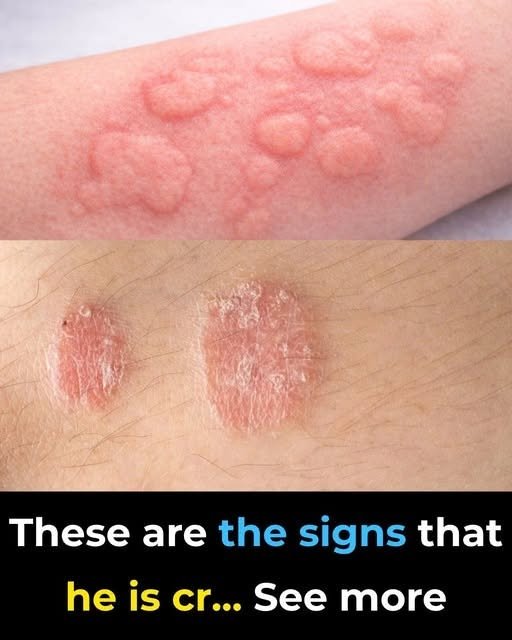
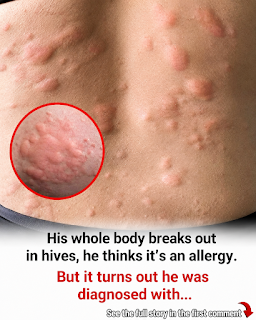
4. Hives (Urticaria)
Raised, itchy welts can appear on the skin.
5. Itchy Skin
Generalized itching may occur even without a visible rash.
6. Nasal Congestion
A persistently stuffy nose without a cold or seasonal allergy may be reported.
7. Sneezing or Runny Nose
Symptoms may resemble hay fever despite no obvious allergen exposure.
8. Watery or Itchy Eyes
Eye irritation is another commonly reported symptom.
9. Heartburn or Acid Reflux
Some individuals notice digestive discomfort after meals rich in histamine.
10. Nausea
Occasional nausea may develop after consuming certain foods.
11. Dizziness or Lightheadedness
Some people experience dizziness during episodes of suspected histamine intolerance.
12. Fatigue
Persistent tiredness may accompany other symptoms.
13. Anxiety or Restlessness
Because histamine also functions as a neurotransmitter, some people report feelings of nervousness or increased alertness.
14. Heart Palpitations
A rapid or irregular heartbeat can have many causes and should always be evaluated by a healthcare professional.
15. Blood Pressure Changes
Some individuals experience temporary changes in blood pressure during symptom episodes.
16. Menstrual Symptoms
Some women report symptom fluctuations around menstruation, although more research is needed.
17. Swelling
Mild swelling of the face, lips, or other tissues may occur in some cases.
18. Shortness of Breath
Breathing difficulties require prompt medical evaluation and should never be assumed to be caused by histamine intolerance alone.
What May Contribute to Histamine Intolerance?
Researchers believe several factors may contribute, including:
- Reduced DAO enzyme activity
- Certain digestive disorders
- Medications that interfere with histamine breakdown
- Large amounts of histamine-rich foods
- Foods that trigger histamine release
- Changes in gut bacteria that produce histamine
Often, multiple factors may be involved.
Foods Naturally High in Histamine
Some people who are working with a healthcare professional may temporarily reduce foods such as:
- Aged cheeses
- Fermented foods
- Processed or smoked meats
- Alcoholic beverages
- Shellfish
- Tomatoes
- Spinach
- Eggplant
- Avocados
- Citrus fruits
- Chocolate
- Vinegar
- Certain canned or leftover foods
Histamine levels generally increase as foods age or are stored for longer periods.
Foods Often Considered Lower in Histamine
Depending on individual tolerance, many people choose foods such as:
- Freshly cooked meat and poultry
- Fresh fish (used promptly after purchase)
- Rice
- Quinoa
- Oats
- Fresh vegetables
- Apples
- Pears
- Blueberries
- Eggs
- Olive oil
Individual tolerance varies considerably, so no single food list works for everyone.
How Is Histamine Intolerance Diagnosed?
There is currently no single test that definitively diagnoses histamine intolerance.
Healthcare providers may recommend:
- Reviewing your medical history
- Keeping a food and symptom diary
- Trying a supervised elimination diet
- Gradually reintroducing foods
- Considering DAO testing in selected cases
- Ruling out food allergies, celiac disease, inflammatory bowel disease, and other medical conditions
Self-diagnosis is not recommended because many disorders can produce similar symptoms.
Can Antihistamines Help?
Antihistamines may reduce certain symptoms by blocking histamine receptors, but they do not remove excess histamine from the body or address any underlying cause.
Treatment depends on the individual and should be guided by a qualified healthcare professional.
When Should You Seek Medical Care?
Seek immediate medical attention if you experience:
- Difficulty breathing
- Swelling of the tongue or throat
- Chest pain
- Severe dizziness or fainting
- Signs of anaphylaxis
These symptoms may indicate a serious allergic reaction or another medical emergency.
Final Thoughts
Histamine intolerance is a complex and still evolving area of medical research. While some people report improvement by identifying dietary triggers and working with their healthcare provider, many symptoms attributed to histamine intolerance can also be caused by other health conditions.
If you experience recurring allergy-like or digestive symptoms without a clear explanation, consult your healthcare provider for a thorough evaluation. An accurate diagnosis is the safest way to develop an effective treatment plan while maintaining a balanced, nutritious diet.
Disclaimer: This article is for informational purposes only and does not replace professional medical advice, diagnosis, or treatment. Always consult a qualified healthcare provider regarding persistent symptoms or before making significant dietary changes.