5 Simple Foods That May Help Preserve Muscle Strength as You Age
5 Simple Foods That May Help Preserve Muscle Strength as You Age
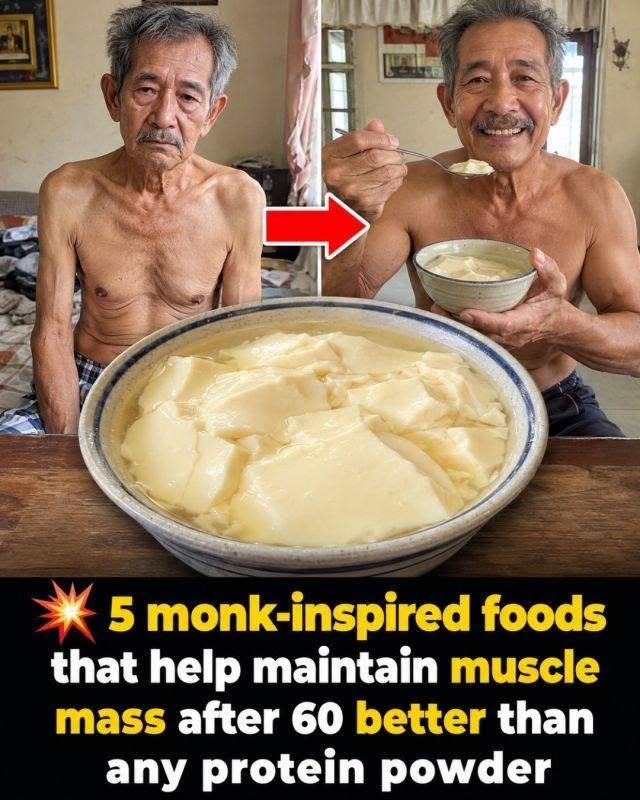
As we grow older, maintaining muscle becomes increasingly important. Beginning around age 30, adults gradually lose muscle mass—a process known as age-related muscle loss (sarcopenia). After age 60, this loss can accelerate if protein intake, physical activity, and overall nutrition are inadequate.
The encouraging news is that healthy eating combined with regular strength training can help slow muscle loss and support mobility, balance, and independence.
Here are five nutrient-rich foods that fit well into a simple, balanced eating pattern inspired by traditional diets—including those followed in many monastic communities, where meals often emphasize whole, minimally processed foods.
1. Eggs: A Complete Protein Source
Eggs are one of the highest-quality protein foods available. They contain all nine essential amino acids needed for muscle maintenance and repair.
They are also rich in:
- Leucine, an amino acid that helps stimulate muscle protein synthesis
- Vitamin B12
- Choline
- Vitamin D (in small amounts)
Including eggs as part of a balanced diet may help older adults meet their daily protein needs.
2. Beans and Lentils: Plant-Based Protein with Fiber
Beans, lentils, and chickpeas are staples in many traditional diets.
They provide:
- Plant protein
- Dietary fiber
- Iron
- Magnesium
- Potassium
- Slow-digesting carbohydrates
These nutrients help provide steady energy while supporting overall health. Pairing legumes with whole grains can provide a more complete amino acid profile.
3. Fish: Protein Plus Healthy Fats
Fish such as salmon, sardines, trout, and mackerel provide high-quality protein along with omega-3 fatty acids.
Omega-3 fats may help:
- Support muscle health
- Reduce inflammation
- Promote heart health
- Support brain function
Health organizations generally recommend eating fish at least twice per week.
4. Greek Yogurt and Fermented Dairy
Greek yogurt contains more protein than regular yogurt and also provides calcium, probiotics, and vitamin B12.
Potential benefits include:
- Supporting muscle maintenance
- Promoting bone health
- Contributing to digestive health
Choose plain varieties to avoid excess added sugar.
5. Nuts and Seeds
Almonds, walnuts, pumpkin seeds, chia seeds, and flaxseeds provide healthy fats, plant protein, magnesium, and antioxidants.
They make nutritious snacks and can be added to:
- Oatmeal
- Yogurt
- Salads
- Smoothies
Although calorie-dense, moderate portions fit well into a healthy eating plan.
Don’t Forget Strength Training
Nutrition alone cannot completely prevent age-related muscle loss.
Regular resistance exercise helps stimulate muscle growth and maintain strength.
Examples include:
- Bodyweight squats
- Chair stands
- Resistance band exercises
- Light dumbbells
- Push-ups against a wall
Experts generally recommend strength-training exercises at least two to three times per week, along with regular walking or other aerobic activity.
Other Habits That Support Healthy Muscles
In addition to eating enough protein, try to:
- Stay physically active every day.
- Eat enough total calories.
- Get 7–9 hours of quality sleep.
- Stay well hydrated.
- Include fruits and vegetables at every meal.
- Maintain adequate vitamin D and calcium intake if recommended by your healthcare provider.
Why Muscle Matters After 60
Healthy muscles do more than improve appearance. They help you:
- Maintain balance
- Reduce fall risk
- Climb stairs more easily
- Carry groceries
- Protect bone health
- Stay independent
Even modest improvements in strength can make everyday activities easier and improve quality of life.
Final Thoughts
There is no single “miracle food” that prevents muscle loss. However, eating enough high-quality protein, choosing nutrient-rich whole foods, and staying physically active are among the most effective ways to support healthy muscles as you age.
Simple foods like eggs, legumes, fish, Greek yogurt, nuts, and seeds can play an important role in a balanced diet that promotes strength, mobility, and overall well-being.
Disclaimer: This article is for educational purposes only and does not replace professional medical advice. If you have concerns about muscle loss, nutrition, or exercise, consult your healthcare provider or a registered dietitian for personalized guidance.