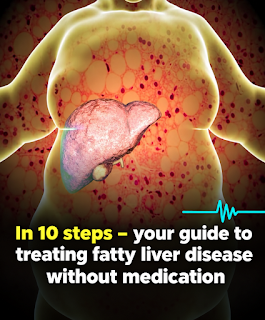
The Liver Reset Protocol: 10 Natural Lifestyle Habits That May Help Reduce Fatty Liver
The Liver Reset Protocol: 10 Natural Lifestyle Habits That May Help Reduce Fatty Liver
Fatty liver disease is becoming increasingly common, affecting millions of people worldwide. The good news is that the liver has an incredible ability to heal itself when supported by healthy lifestyle habits. Although there is no instant cure, consistent changes to your diet, exercise routine, sleep, and overall health can significantly reduce liver fat and improve liver function over time.
This guide explores evidence-based lifestyle strategies that may help support liver health naturally. These recommendations are intended to complement—not replace—professional medical advice.
What Is Fatty Liver Disease?
Fatty liver disease occurs when excess fat builds up inside liver cells. In its early stages, it often causes no symptoms, but over time it can lead to inflammation, scarring (fibrosis), and, in severe cases, liver damage.
Common risk factors include:
- Excess body weight
- Insulin resistance
- Type 2 diabetes
- High cholesterol or triglycerides
- Poor diet high in added sugars and processed foods
- Physical inactivity
- Metabolic syndrome
Fortunately, lifestyle changes are considered the first-line treatment for many people with non-alcoholic fatty liver disease (NAFLD).
1. Improve Insulin Sensitivity
Insulin resistance is one of the leading causes of fatty liver. When insulin levels remain high, the liver stores more fat instead of burning it for energy.
To improve insulin sensitivity:
- Eat balanced meals rich in protein, fiber, and healthy fats.
- Reduce refined carbohydrates and sugary foods.
- Exercise regularly.
- Maintain a healthy weight.
Even small improvements can make a meaningful difference over time.
2. Try Time-Restricted Eating (If Appropriate)
Some research suggests that time-restricted eating may improve metabolic health in certain adults.
A common approach is the 16:8 method, where meals are eaten within an 8-hour window followed by a 16-hour fasting period.
However, intermittent fasting is not suitable for everyone, especially people who are pregnant, have diabetes, certain medical conditions, or a history of eating disorders. Always consult your healthcare provider before making significant dietary changes.
3. Cut Back on Added Sugar
Reducing added sugar is one of the most effective dietary changes for supporting liver health.
Limit:
- Soft drinks
- Sweetened fruit juices
- Candy
- Cakes and pastries
- Processed desserts
Instead, choose:
- Water
- Sparkling water
- Unsweetened tea
- Black coffee (if tolerated)
High intake of sugary beverages—especially those containing large amounts of fructose—has been linked to increased liver fat.
4. Eat More Choline-Rich Foods
Choline is an essential nutrient that helps transport fat out of the liver as part of normal metabolism.
Good sources include:
- Eggs
- Fish
- Chicken
- Turkey
- Soybeans
- Lean beef
Including these foods as part of a balanced diet may support healthy liver function.
5. Fill Your Plate with Cruciferous Vegetables
Cruciferous vegetables are rich in fiber, vitamins, minerals, and beneficial plant compounds.
Excellent choices include:
- Broccoli
- Cauliflower
- Brussels sprouts
- Cabbage
- Kale
Eating a variety of vegetables every day supports overall metabolic and digestive health.
6. Drink Coffee in Moderation
Several observational studies have found that moderate coffee consumption is associated with healthier liver enzyme levels and a lower risk of liver fibrosis.
If approved by your healthcare provider, drinking 1–2 cups of unsweetened black coffee daily may be part of a liver-friendly lifestyle.
Avoid adding excessive sugar or high-calorie creamers.
7. Build Muscle with Strength Training
Exercise benefits the liver even before major weight loss occurs.
Resistance training helps:
- Improve insulin sensitivity
- Increase muscle mass
- Enhance glucose utilization
- Support a healthier metabolism
Examples include:
- Bodyweight squats
- Wall push-ups
- Resistance band exercises
- Light dumbbell workouts
Aim for strength training 2–3 times per week, combined with regular walking or other aerobic activities.
8. Lose Weight Gradually
If your healthcare provider recommends weight loss, gradual progress is generally the safest and most sustainable approach.
A healthy goal is approximately:
0.5–1 kg (1–2 pounds) per week
Research shows that losing 5–10% of body weight can significantly reduce liver fat and improve liver health in many individuals.
Avoid crash diets or rapid weight loss unless supervised by a healthcare professional.
9. Prioritize Quality Sleep
Poor sleep has been linked to insulin resistance and metabolic dysfunction.
Improve sleep by:
- Going to bed at the same time each night
- Limiting screen use before bedtime
- Keeping your bedroom cool, dark, and quiet
- Aiming for 7–9 hours of sleep each night
Healthy sleep supports hormone balance and overall metabolic function.
10. Monitor Your Liver Health
Lifestyle changes are most effective when combined with regular medical care.
Your healthcare provider may recommend:
- Liver enzyme blood tests (ALT and AST)
- Ultrasound imaging
- Fibrosis assessment when appropriate
- Routine follow-up appointments
Monitoring helps track progress and guide treatment decisions.
Additional Liver-Friendly Habits
Simple daily habits can also support liver health:
- Drink enough water throughout the day.
- Choose whole foods instead of ultra-processed meals.
- Limit alcohol if advised by your healthcare provider.
- Manage stress through relaxation techniques.
- Avoid smoking.
- Stay physically active.
Remember, consistency matters more than perfection.
When to Seek Medical Attention
Contact a healthcare professional promptly if you experience:
- Yellowing of the skin or eyes (jaundice)
- Severe abdominal pain
- Persistent fatigue
- Swelling of the abdomen
- Dark urine or pale-colored stools
These symptoms require medical evaluation.
Frequently Asked Questions
Can fatty liver improve naturally?
Yes. Many people with early-stage non-alcoholic fatty liver disease experience improvement through healthy eating, regular exercise, and gradual weight loss. Individual results vary.
How long does recovery take?
Some people notice improved liver enzyme levels within a few months, while reductions in liver fat often require several months of consistent lifestyle changes.
Is there a food that cures fatty liver?
No. There is no single food that cures fatty liver. Overall dietary patterns and healthy lifestyle habits have the greatest impact.
Should I take supplements?
Some supplements are under investigation, but many lack strong evidence or may not be appropriate for everyone. Always consult your healthcare provider before taking supplements for liver health.
Final Thoughts
Fatty liver disease is closely connected to everyday lifestyle habits. The encouraging news is that positive changes—such as eating a balanced diet, staying physically active, achieving gradual weight loss, getting enough sleep, and attending regular medical check-ups—can significantly support liver health.
There is no quick fix, but steady, sustainable habits can help reduce liver fat, improve metabolic health, and promote long-term well-being.
Disclaimer: This article is for educational and informational purposes only and is not a substitute for professional medical advice, diagnosis, or treatment. Always consult your healthcare provider regarding any medical condition or before making significant lifestyle changes.