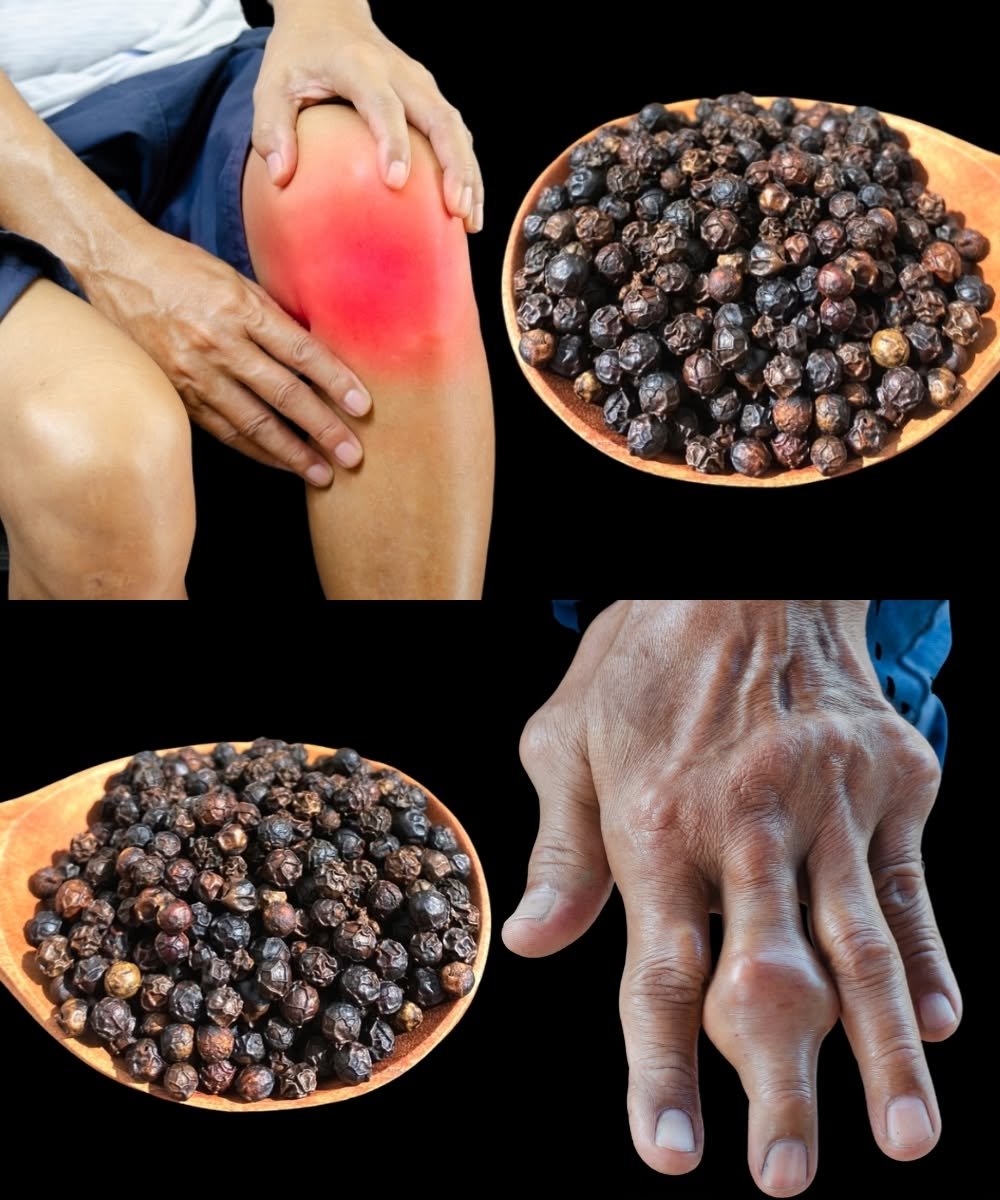
The Healing Power of Garlic and Black Pepper for Leg Pain, Rheumatism, Varicose Veins, and Arthritis
The Healing Power of Garlic and Black Pepper for Leg Pain, Rheumatism, Varicose Veins, and Arthritis
If your mom—or anyone you care about—is struggling with persistent leg pain, stiffness, or swelling from arthritis, varicose veins, or rheumatism, the solution may be as close as your kitchen. Two common pantry staples, garlic and black pepper, combine to form a potent natural remedy that targets inflammation, improves circulation, and eases chronic discomfort.
This simple home remedy is safe, effective, and affordable—and it might just bring lasting relief.
Why Garlic and Black Pepper Make a Powerful Duo
Far more than just flavor boosters, both ingredients are scientifically recognized for their therapeutic effects:
🧄 Garlic – A natural anti-inflammatory and antioxidant that improves blood circulation, reduces swelling, and relieves joint pain.
⚫ Black Pepper – Rich in piperine, a compound that boosts nutrient absorption (including garlic’s healing compounds) while promoting better blood flow.
Together, they work synergistically to tackle the root causes of pain—not just mask the symptoms.
5 Incredible Benefits of Garlic and Black Pepper
Eases Joint and Muscle Pain
Their anti-inflammatory action helps reduce stiffness and discomfort from arthritis, rheumatism, and sore muscles.Promotes Better Circulation
Garlic naturally thins the blood, while black pepper stimulates flow—helping reduce heaviness, fatigue, and pain in the legs.Reduces Swelling Naturally
This duo calms inflammation, supports fluid drainage, and eases puffiness caused by poor circulation or varicose veins.Speeds Up Healing
Piperine in black pepper enhances the body’s ability to absorb garlic’s active compounds, helping you heal faster.Safe, Simple, and Budget-Friendly
No side effects of conventional painkillers—just natural relief using ingredients you already have at home.
How to Use Garlic and Black Pepper for Relief
1. Internal Remedy: Morning Booster
Ingredients:
2–3 fresh garlic cloves
½ teaspoon freshly ground black pepper
1 tablespoon olive oil (optional, for smoother taste)
Instructions:
Crush garlic and let it sit 10 minutes (to activate allicin).
Mix with black pepper and olive oil.
Consume once daily, ideally in the morning on an empty stomach.
👉 This helps reduce inflammation and supports circulation throughout the day.
2. External Remedy: Homemade Pain Relief Oil
Ingredients:
4–5 garlic cloves, crushed
1 teaspoon ground black pepper
½ cup coconut or olive oil
Instructions:
Gently warm the oil in a small pan.
Add garlic and pepper, simmer 5–7 minutes.
Strain, cool, and store in a clean glass jar.
Massage into sore or swollen areas twice daily.
👉 This topical oil improves local circulation and relieves pain exactly where you need it.
Precautions Before You Begin
Start small: Especially if sensitive to spicy foods.
Monitor for irritation: Both ingredients are strong—internally and externally.
Consult a doctor: Essential if taking blood thinners or other medications.
Final Thoughts: Small Spices, Big Relief
Garlic and black pepper are more than kitchen staples—they’re natural allies in the fight against leg pain, swelling, and arthritis. Whether taken internally as a booster or applied externally as a soothing oil, this remedy supports joint health, improves mobility, and provides real comfort.
If your mother—or you—have been coping with aching legs, varicose veins, or reduced circulation, this gentle, time-tested remedy may be exactly what’s needed.
Sometimes, the best medicine doesn’t come from a pharmacy—it comes from nature. 🌿





Do i add water in the mixture of garlic and pepper to drink, for my legs?