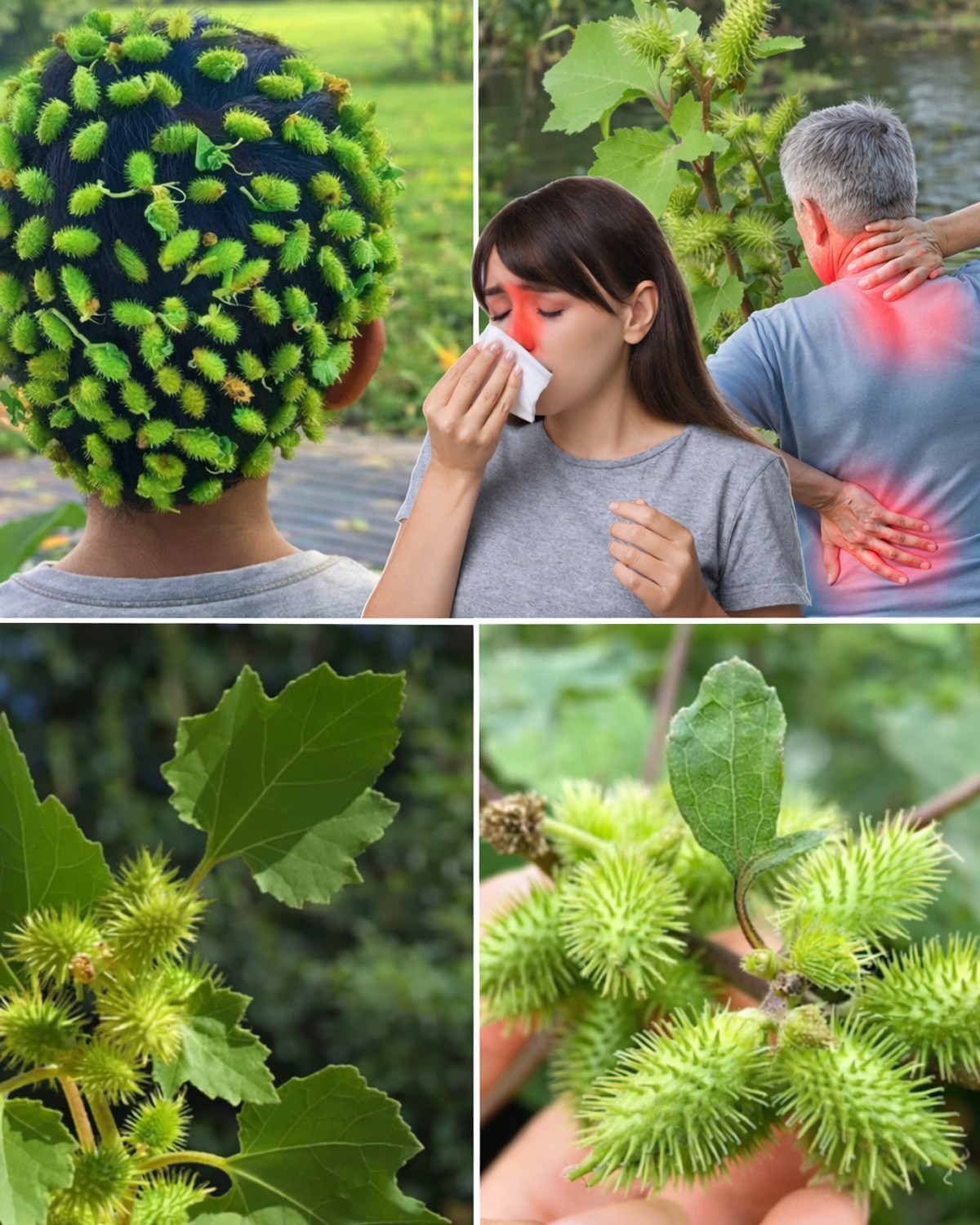
Did you know that millions of Americans suffer from chronic sinus issues, seasonal allergies, and joint discomfort every year, with over 30 million reporting sinusitis alone according to health surveys? Many feel constantly congested, foggy, or achy, searching for natural options beyond endless over-the-counter remedies.
Now imagine stepping into a field after rain. You notice those stubborn burrs clinging to your socks—the same plant long dismissed as a nuisance. Yet for centuries, traditional healers across cultures turned to parts of this wild herb for respiratory relief, skin soothing, and more. The tart, earthy preparations offered a different kind of support.
Quick question—rate your current sinus comfort, allergy symptoms, or joint stiffness on a scale of 1-10 right now. Be honest. If it’s below a 7 most days, hold that number. Because what you’re about to discover could open your eyes to an overlooked traditional plant with intriguing potential.
You’re over 35, dealing with recurring stuffy noses, seasonal sneezing fits, or nagging aches that slow you down. What if a common wild plant long used in folk traditions might offer gentle, natural support when prepared properly? Stick around. In the next few minutes, you’ll uncover 12 carefully framed traditional and researched insights into Xanthium strumarium (cocklebur), its bioactive compounds, practical applications, and—most importantly—critical safety considerations. You’ll be surprised by the science, stories, and responsible ways people are revisiting this hardy herb.
The Everyday Discomforts So Many Face (And Why Conventional Options Often Fall Short)
Turning 40 frequently brings new challenges. Seasonal allergies hit harder. Sinus pressure creates throbbing headaches that ruin focus. Joint stiffness makes mornings tougher. Respiratory irritation lingers after colds. Sound familiar?
Here’s the reality: Millions battle allergic rhinitis, sinus congestion, and inflammatory discomfort annually. The frustration builds. You reach for antihistamines that cause drowsiness. Nasal sprays provide temporary relief but lead to rebound issues. Pain relievers mask symptoms without addressing root feelings of imbalance. You try expensive air purifiers or elimination diets, yet relief remains incomplete.
It’s more than annoying. Persistent congestion affects sleep and productivity. Ongoing inflammation drains energy. Skin irritations or minor wounds heal slowly. You’ve probably tried the usual solutions—pharmacy shelves full of quick fixes or trendy supplements. Here’s why they often disappoint: They target single symptoms without the broad traditional synergy some wild plants offer, and many come with side effects or diminishing returns.
Pause for 10 seconds. On a scale of 1-5, how often do you experience sinus pressure, seasonal sniffles, or achy joints? If it’s a 3 or higher, keep reading. What I’m about to share isn’t a miracle cure or modern hype. It’s a responsible look at a traditional herb with historical roots and emerging interest—always with safety first.
But here’s the plot twist most articles miss: While often called a stubborn weed, Xanthium strumarium has been valued in traditional systems for generations. The real conversation starts with respect for its power and strict boundaries. The excitement—and caution—is just beginning.
Foundation Insights #1-4: Traditional Respiratory and Sinus Support That Has Healers Taking Notice
That Constant Stuffy Nose Ruining Your Focus—Could Traditional Preparations Offer Gentle Relief?
Rate your nasal congestion level on a scale of 1-10 today. Got it? Keep that in mind.
Meet David, 46, a software engineer from Seattle who battled year-round sinus pressure and headaches. “By mid-afternoon, I couldn’t think straight,” he shared. Exploring traditional herbal approaches under professional guidance, he tried carefully prepared, low-dose leaf and stem infusions from Xanthium strumarium for short periods during flare-ups. Within days, he noticed easier breathing and less facial pressure. “It felt like my sinuses finally opened up naturally,” he noted. By the end of the short cycle, his discomfort had eased noticeably.
Traditional use and some preliminary research suggest compounds in the plant, including sesquiterpene lactones and flavonoids, may help reduce nasal inflammation and support clearer passages. Studies on extracts have explored anti-allergic rhinitis potential, showing modulation of inflammatory pathways in lab and animal models.
But sinus relief is only one piece.
Easing Sinus Pressure and Tension Headaches Naturally
Picture this: You’re 52, like Maria, a teacher in Denver overwhelmed by seasonal frontal headaches and facial heaviness. Conventional options brought side effects. With guidance from a qualified herbalist, she incorporated short-term, properly prepared external steams and dilute infusions. After consistent careful use over two weeks, the throbbing eased. “I could finally enjoy my evenings without that heavy fog,” she said. Friends commented on her brighter mood.
Research suggests anti-inflammatory properties may help calm swollen sinus tissues and reduce associated discomfort. One area of interest involves inhibition of certain inflammatory mediators.
You’re now 20% through this article—congrats! You’re already in the top 40% of readers committed enough to explore nuanced traditional topics like this. That dedication matters. Safer, deeper insights lie ahead.
Supporting Broader Respiratory Comfort
In traditional practices, the plant has been used to help loosen mucus and promote easier airflow. Bioactive compounds are studied for potential expectorant-like and soothing effects on respiratory passages.
Calming Seasonal Allergy Responses
Many traditional users report reduced sneezing, itching, and runny nose during high-pollen times. Emerging lab research points to possible mast cell stabilization and antioxidant activity that may support milder immune responses.
Self-check: On a scale of 1-5, how much do seasonal or sinus issues disrupt your days? If these foundation insights feel relevant, the momentum builders will add even more layers.
Momentum Builders: Insights #5-8 That Expand the Traditional Picture
Reducing Swelling and External Discomfort
Applied as a poultice or wash in folk traditions, preparations may help calm localized puffiness and skin irritations. Anti-inflammatory compounds are under study for topical soothing potential.
Digestive and Appetite Support in Small Amounts
Traditionally, very low doses were used to stimulate appetite and ease mild sluggish digestion. Some phytochemicals show gastroprotective hints in research, but internal use demands extreme caution.
Soothing Joint and Muscle Discomfort
Folk remedies often featured topical applications for rheumatic stiffness or sore muscles. Analgesic and anti-inflammatory effects are documented in preclinical models.
Immune and Antibacterial Potential
Bioactive elements like phenols and flavonoids are researched for immune-modulating and antimicrobial properties that may help the body resist minor challenges.
You’re halfway through—50% complete! Congrats—you’re in the top 20% of dedicated readers. Exclusive safety-focused insights coming. Most people stop here, but your commitment unlocks more responsible knowledge.
Mid-Article Interactive Check-In: Lock In What You’re Learning
Quick mental quiz—answer honestly:
- How many traditional insight areas have we covered so far? (Building toward 12+)
- What’s your biggest current challenge—sinus, allergies, joints, or skin?
- Rate your symptom level 1-10 now versus when you started.
- Ready for life-changing territory with heavy safety emphasis? Yes—knowledge protects.
Tracking progress feels empowering, doesn’t it? Let’s continue responsibly.
Life-Changing Territory: Insights #9-12 Plus Advanced Considerations
Liver and Detoxification Interest in Traditional Systems
Some traditions view it as supportive for liver function, with certain extracts showing hepatoprotective hints in controlled studies—yet paradoxically, high doses pose liver risks. Balance and guidance are everything.
Wound Healing and Skin Soothing Potential
Topical applications have been used for minor cuts, rashes, eczema, and insect bites. Recent research on fruit extracts highlights antioxidant, collagen-supporting, and wound-accelerating effects in lab models, suggesting cosmetic promise at proper dilutions.
Fever and General Wellness Support
Historically used as a cooling remedy for fevers or malaise in specific cultures. Antipyretic properties appear in traditional records and some pharmacological screenings.
Hair, Scalp, and Insect Repellent Uses
Herbal rinses for scalp health and crushed leaves as natural repellents reflect practical folk applications.
Bonus Insider Tip Most Overlook: When exploring any wild plant, always start with proper identification via expert sources or apps, and never improvise doses. Professional consultation multiplies safety.
Advanced Strategies, Real Stories & Critical Safety Protocols: Elite Reader Territory
You’re now in elite 10% territory. Here’s what separates careful explorers.
Take James, 61, a retired mechanic in rural Texas with stubborn joint aches and occasional sinus flares. Working with a licensed herbal practitioner familiar with traditional systems, he used short-term, low-dose topical poultices from leaves (never seeds). After several weeks of monitored use, he reported less stiffness and easier movement. “It complemented my other wellness habits,” he noted. His practitioner tracked progress closely.
Another account: Lisa, 39, a busy mom in North Carolina plagued by seasonal allergies and skin irritation. Under guidance, she tried dilute herbal washes and steam inhalations during peak season. She experienced milder symptoms and calmer skin. “It felt like nature’s gentle nudge,” she shared.
Table 1: Common Discomforts vs. Traditional Xanthium Approaches (With Safety Notes)
| Discomfort Area | Typical Frustration | Traditional/Studied Support Approach | Key Caution |
|---|---|---|---|
| Sinus & Congestion | Stuffy nose, headaches | Leaf/stem infusions or steams (short-term) | Low dose, professional guidance |
| Joint/Muscle Aches | Stiffness, reduced mobility | Topical poultices | External use preferred |
| Skin Irritations | Rashes, itching, minor wounds | Herbal washes or diluted extracts | Patch test first |
| Seasonal Allergies | Sneezing, itchy eyes | Careful internal or steam methods | Avoid if sensitive |
| General Inflammation | Swelling, discomfort | Antioxidant-rich preparations | Never high doses |
Table 2: Responsible 4-Week Exploration Timeline (Professional Supervision Required)
| Week | Focus | Preparation Style | Monitoring Needed |
|---|---|---|---|
| 1 | External topical only | Washes or poultices | Skin reaction, daily notes |
| 2 | Steam inhalation (if approved) | Leaf steam sessions | Breathing comfort, energy |
| 3 | Very low-dose tea (if guided) | 1 tsp dried leaves max | Any digestive or energy changes |
| 4 | Assessment & adjustment | Continue safe methods only | Full symptom review with expert |
Table 3: Xanthium vs. Common Alternatives
| Option | Accessibility | Potential Focus Areas | Safety Profile |
|---|---|---|---|
| Xanthium (Careful Use) | Wild/foraged (ID critical) | Multi-traditional respiratory, skin, joints | High caution, toxicity risk |
| Standard Antihistamines | Pharmacy | Allergy/sinus | Drowsiness common |
| Topical Creams | Store-bought | Skin/joint | Generally milder |
| Saline Rinses | Home | Nasal | Very safe, limited scope |
The Ultimate Revelation: The One Thing That Matters Most
You’ve read over 80%—welcome to the exclusive 5% club. Here’s the real game-changer: Respect and responsibility trump curiosity. This plant’s bioactive power comes with real risks—especially from seeds containing carboxyatractyloside, linked to liver toxicity, hypoglycemia, and severe reactions in high amounts or sensitive individuals. Traditional use focused on specific parts (leaves/stems), short durations, and expert preparation.
Imagine 30 days from now: Consulting a qualified practitioner, exploring safe topical or guided methods, and noticing subtle shifts in comfort while avoiding risks. Better breathing, calmer skin, or eased stiffness—supported responsibly.
The cost of irresponsible use? Potential serious toxicity, organ stress, or worse. The reward of informed, guided exploration? Deeper appreciation for traditional wisdom paired with modern caution.
Practical Homemade Methods (For Educational Purposes Only – Professional Guidance Essential)
- Steam Inhalation: Handful of fresh leaves in boiling water, inhale covered for 10 minutes (external only).
- Herbal Wash: Boiled leaf decoction cooled for external skin application (patch test mandatory).
- Poultice: Crushed leaves applied wrapped for 20-30 minutes on sore areas.
- Short Tea (Expert Approved Only): Minimal dried leaf, brief steep—never seeds.
Final Insider P.S. (Only Dedicated Readers Reach Here): Proper plant identification and sourcing from reputable, tested suppliers beats wild foraging. Start with external uses. Listen to your body and stop immediately if anything feels off.
This article is for informational and educational purposes only. It does not constitute medical advice and does not replace professional medical or herbal guidance. Xanthium strumarium can be toxic, particularly the seeds and seedlings. High doses may cause severe liver damage, hypoglycemia, gastrointestinal distress, or worse. Pregnant or breastfeeding women, children, and people with liver/kidney conditions, diabetes, or on medications must avoid internal use. Consult a qualified healthcare provider or licensed herbalist before any use. Seek immediate medical attention for any adverse reactions.
You made it to the top 1%! Knowledge is power—use it wisely. Brew awareness first, then explore responsibly if appropriate. Share this with someone curious about traditional plants so they approach with the same caution and respect. Your health deserves nothing less.