7 Traditional Benefits and Modern Uses of Ageratum conyzoides
7 Traditional Benefits and Modern Uses of Ageratum conyzoides
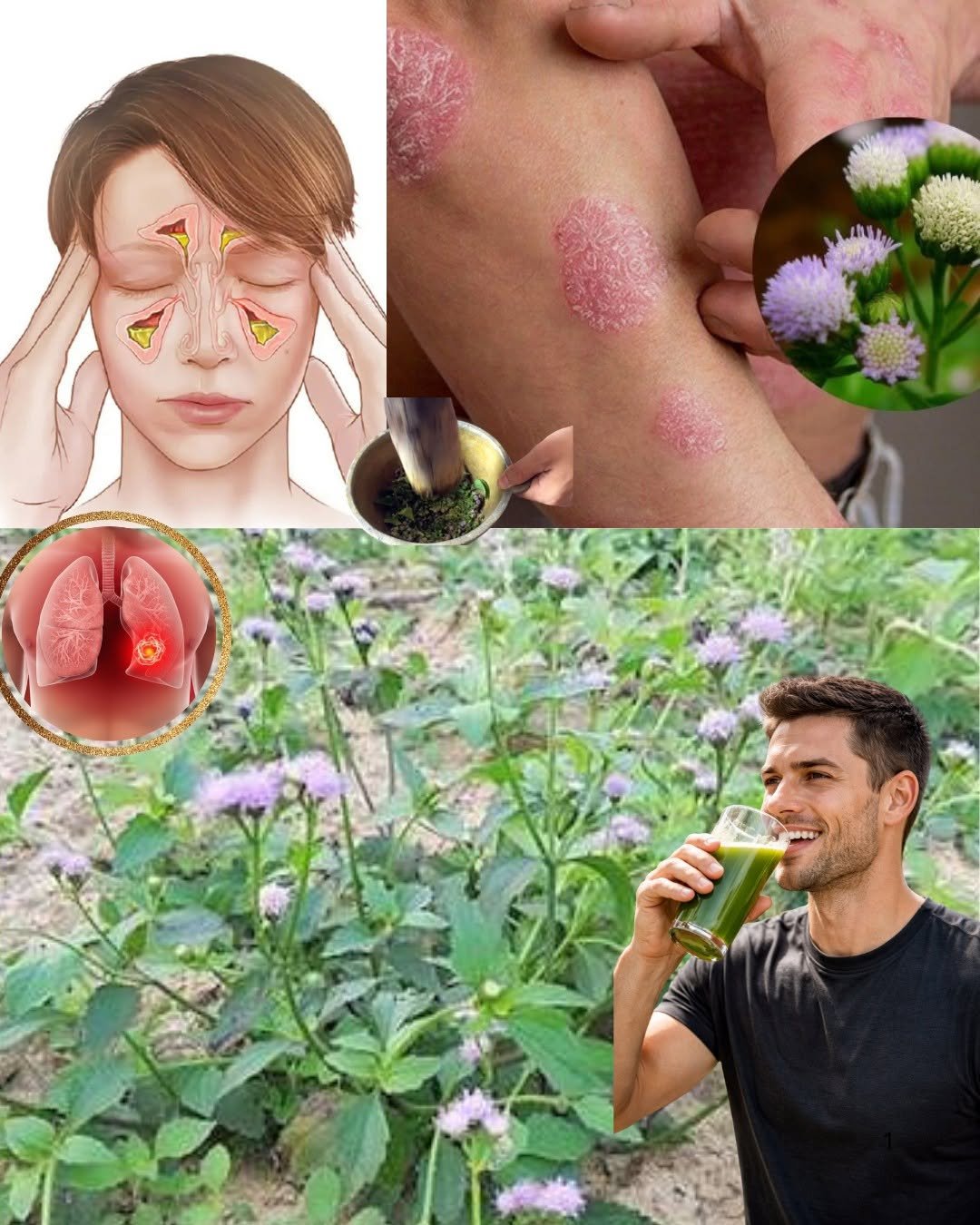
Ageratum conyzoides, commonly known as Goat Weed, Billygoat Weed, or Flossflower, is a flowering plant traditionally used in herbal practices across Africa, Asia, and South America. Though often considered a wild plant, it has long been valued in folk medicine for its potential anti-inflammatory, antimicrobial, and skin-supporting properties.
Today, researchers continue to explore its bioactive compounds, while traditional communities still rely on it for everyday wellness support. Below are seven traditionally recognized benefits and practical uses, presented with balance, care, and modern context.
1. Traditional Support for Wound Healing and Skin Care
The leaves and stems of Ageratum conyzoides contain flavonoids and tannins, compounds traditionally associated with skin protection.
In folk practices, crushed leaves have been applied to:
Minor cuts and scrapes
Burns and insect bites
Superficial skin irritation
These uses are linked to the plant’s antiseptic and protective properties, which may help reduce exposure to external contaminants.
Traditional use methods:
Fresh poultice: Crushed leaves applied externally to minor skin issues
Herbal rinse: Leaves boiled in water, cooled, and used as a skin wash
2. Traditionally Used for Inflammation Comfort
Ageratum conyzoides contains naturally occurring flavonoids, alkaloids, and coumarins, which have been studied for their potential role in inflammation modulation.
In traditional systems, it has been used to support comfort in:
Swollen joints
Muscle tension
Localized inflammation
Common approaches:
Mild herbal infusion (used cautiously and occasionally)
Warm compresses soaked in diluted herbal preparations
3. Antimicrobial and Antifungal Traditional Uses
Some laboratory studies suggest that extracts of Ageratum conyzoides may show antibacterial and antifungal activity under controlled conditions.
Traditionally, it has been used externally for:
Skin infections
Fungal conditions such as athlete’s foot
Minor rashes
Traditional applications:
Leaf paste mixed with oil for external use
Herbal foot soak using boiled leaves
4. Traditional Respiratory Comfort Support
In certain cultures, the plant has been used to support respiratory comfort during:
Coughs
Chest congestion
Seasonal breathing discomfort
These uses are linked to its expectoration-supporting reputation in traditional medicine.
Traditional methods include:
Steam inhalation from boiled leaves
Light herbal tea, consumed occasionally and in small amounts
5. Traditional Use for Pain Relief
Ageratum conyzoides has historically been used as a natural analgesic in folk medicine.
It has been applied for:
Head discomfort
Tooth discomfort
Mild digestive cramps
Examples of traditional use:
Chewing fresh leaves (cultural practice, used cautiously)
Applying warm leaf compresses externally
6. Insect Repellent and Bite Relief
The plant’s strong aroma has traditionally been used to:
Repel mosquitoes
Soothe insect bites
Reduce discomfort from stings
Some studies also explore its potential as a natural biopesticide.
Traditional uses:
Rubbing fresh leaves on exposed skin
Applying crushed leaves directly to bites
7. Digestive Support in Traditional Herbalism
In some traditional systems, Ageratum conyzoides has been used to help manage:
Mild digestive discomfort
Occasional diarrhea
Bloating
These effects are often attributed to its astringent and antimicrobial qualities.
Traditional methods:
Very mild herbal infusion, consumed sparingly
External abdominal poultice for comfort
Important Safety Considerations
While Ageratum conyzoides has a long history of traditional use, caution is essential:
⚠️ Not for long-term internal use
The plant contains pyrrolizidine alkaloids, which may be harmful in large or prolonged doses.⚠️ Pregnant or breastfeeding individuals should avoid use unless guided by a healthcare professional.
⚠️ Skin sensitivity may occur—always perform a patch test before topical use.
⚠️ Limited modern safety data exists for long-term or internal consumption.
Final Thoughts: A Traditional Plant Worth Respecting
Ageratum conyzoides is far more than a common weed. Its long history in traditional medicine highlights its role in skin care, inflammation comfort, respiratory support, and insect control.
However, traditional knowledge should be approached with respect, moderation, and modern safety awareness. This plant may offer supportive benefits, but it should never replace professional medical care.
👉 Always consult a qualified healthcare provider or herbal professional before incorporating new plants into your wellness routine.
Disclaimer:
This article is for educational purposes only and does not diagnose, treat, or cure any disease.